-
Shop
- Adidas
- Advanced Technologies
- AI Skills Mastery 2026 Collection
- Best-Sellers
- Calvin Klein
- Car Accessories
- Confidence
- Dating & Social Skills
- Digital Resources
- AI & Technology
- AI Skills
- Beauty
- Budgeting & Saving
- Car Buying & Ownership
- Cozy Feast Collection
- Electronics & Technology
- Entrepreneurship & Business Growth
- Financial Education
- Financial Independence
- Financial Mindset & Psychology
- Goal Setting
- Hobbies
- Home Styling & Organization
- Kitchen & Recipes
- Leadership
- Mindset
- Online Business
- Parenting & Child Development
- Personal Style & Fashion
- Pet Lifestyle & Wellness
- Positive Thinking
- Sleep Improvement
- Stress Management & Relaxation
- Travel Planning
- Yoga & Fitness
- Yoga & Mind-Body Practices
- Education & Learning
- Family & Parenting
- Fashion
- Alexander McQueen
- Bags
- Bags & Wallets
- Balenciaga
- Belts
- Blazers
- Bottega Veneta
- Brunello Cucinelli
- Burberry
- Chanel
- Chloé
- Dior
- Dolce & Gabbana
- Dresses
- Etro
- Fendi
- Gucci
- Hats & Hair Accessories
- Hoodies & Sweatshirts
- Jacquemus
- Jewelry
- Jil Sander
- Keychains
- Kiton
- Luggage
- Miu Miu
- Off-White
- Prada
- Rick Owens
- Saint Laurent
- Socks & Tights
- Sweaters & Cardigans
- The Row
- Tom Ford
- Tops & Shirts
- Valentino
- Valentino Garavani
- Versace
- Vivienne Westwood
- Watches
- Furniture
- Gadgets
- Health & Beauty
- Health & Wellness
- Home & Garden
- Kids & Babies
- Kitchen
- Lighting
- Patio, Lawn & Garden
- Personal Growth
- Pet Care
- Pet Supplies
- Pets
- Shoes
- Smart Home Living Guides
- Sport & Outdoors
- Stress Relief & Relaxation
- TikTok Growth & Monetization Mastery
- Travel
- Travel & Adventure
- Wealth
- Wellness
- YouTube Shorts Best-Sellers
- Popular
- Best deals
Flexible Healthy Meal Plan: 1-Week Reset or 1-Month
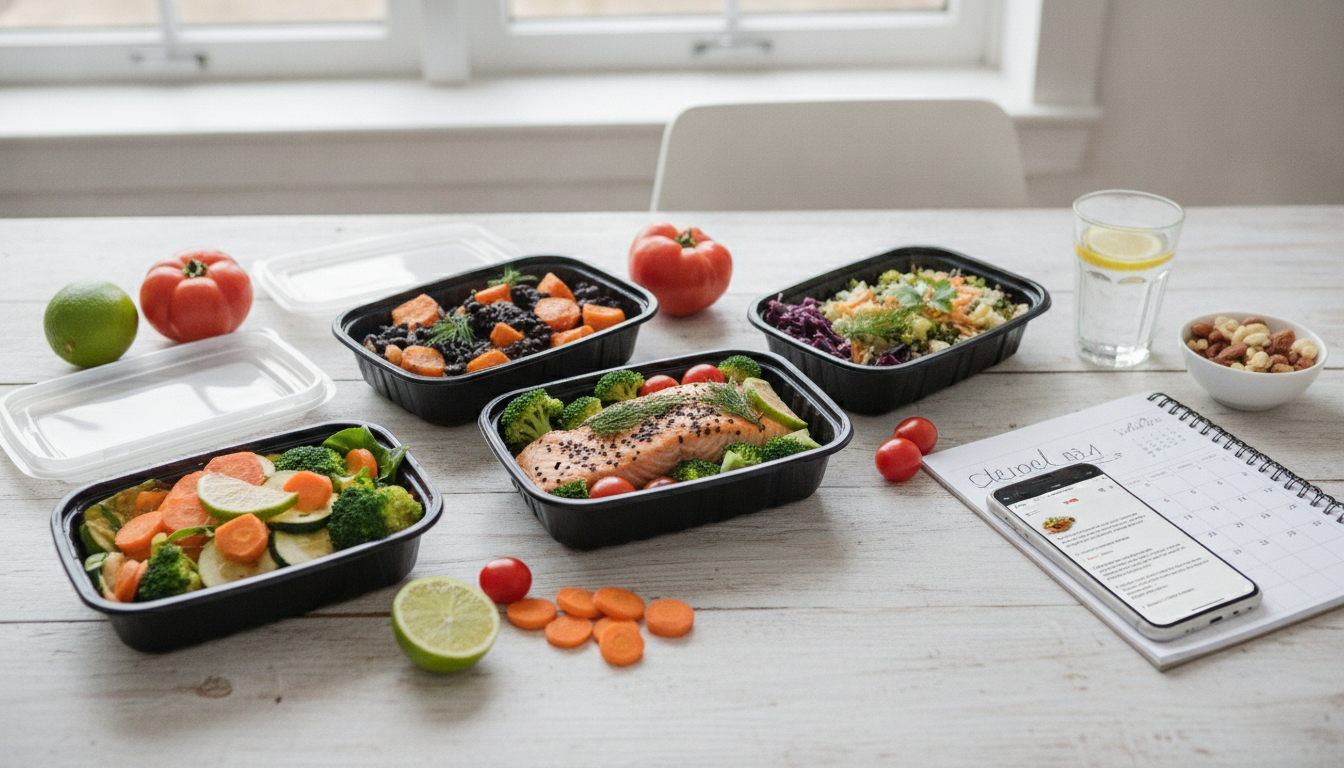
Healthy Meal Plan & Recipe Collection: Flexible One-Week or One-Month Eating Plan
A structured meal plan can make healthy eating simpler by removing daily decision fatigue. This collection is designed to help build consistent habits with breakfast, lunch, dinner, and snack recipes organized into either a one-week reset or a full one-month routine—while keeping balanced nutrition and practicality front and center.
What this meal plan collection includes
- Two planning options: a focused one-week plan for quick structure or a one-month plan for longer consistency.
- Recipes mapped to the day: breakfast, lunch, dinner, and snacks so each day feels complete rather than pieced together.
- Built-in variety to reduce boredom while keeping ingredients and prep realistic for a normal schedule.
- Balanced approach that supports steady energy through consistent meals and smart snack timing.
- Digital format for easy access on phone, tablet, or computer—useful for grocery runs and cooking.
If you want the full printable/digital layout plus the recipe collection in one place, the Healthy Meal Plan & Recipe Collection (eBook) is built for repeat use: pick a timeframe, follow the daily flow, then re-run the weeks that fit your schedule best.
How “balanced nutrition” is applied day to day
- Plate balance: prioritize vegetables and fruits, include a quality protein source, and choose satisfying carbs and healthy fats.
- Protein at each meal to support fullness and help reduce random snacking later.
- Fiber focus through produce, legumes, whole grains, nuts, and seeds to support digestion and steadier blood sugar.
- Hydration and “add-ons” (herbs, citrus, spices, yogurt-based sauces) to boost flavor without relying on excess sugar or sodium.
- Treat flexibility: a plan works best when it leaves room for real life—social meals, cravings, and schedule changes.
For a dependable baseline, align your daily choices with evidence-based guidance like the Dietary Guidelines for Americans, 2020–2025 and the simple visual approach of the Harvard Healthy Eating Plate. When shopping, the FDA’s Nutrition Facts Label can help compare options quickly (especially for cereals, breads, sauces, and packaged snacks).
Quick guide to building a balanced meal
| Meal element | Simple options | Why it matters |
|---|---|---|
| Protein | Eggs, Greek yogurt, chicken, tofu, beans, fish | Supports satiety and muscle maintenance |
| Fiber-rich carbs | Oats, brown rice, quinoa, potatoes, whole-grain bread | Sustained energy and digestive support |
| Colorful produce | Leafy greens, berries, peppers, carrots, tomatoes | Micronutrients and antioxidants |
| Healthy fats | Olive oil, avocado, nuts, seeds | Flavor, satisfaction, fat-soluble vitamins |
Sample one-week structure (easy to follow, easy to repeat)
- A one-week plan works well as a reset: consistent meal timing, repeatable breakfasts, and rotating lunches/dinners.
- Keep two “backup” meals ready (freezer-friendly or pantry-based) for the days that go sideways.
- Aim for at least one batch-cooked protein and one cooked grain early in the week to reduce daily prep.
Example week layout (swap recipes to match preferences)
| Day | Breakfast | Lunch | Dinner | Snack idea |
|---|---|---|---|---|
| Mon | Protein-forward breakfast | Veggie + protein bowl | Sheet-pan meal | Fruit + nuts |
| Tue | Overnight oats style option | Soup/salad combo | Stir-fry or skillet meal | Yogurt or kefir |
| Wed | Egg-based option | Leftovers (planned) | Lean protein + roasted veg | Hummus + veggies |
| Thu | Smoothie + fiber add-in | Whole-grain wrap/bowl | One-pot dinner | Cottage cheese + fruit |
| Fri | Repeat favorite | Simple protein salad | Flexible night (grill/air fryer) | Dark chocolate portion + berries |
| Sat | Weekend breakfast option | Quick assemble meal | Cook once, eat twice | Popcorn or trail mix portion |
| Sun | Higher-protein start | Leftovers or brunch-style | Prep-focused dinner | Protein snack |
How to turn the one-month plan into an effortless routine
- Use a repeating framework: rotate 2–3 breakfasts, 3–4 lunches, and 4–6 dinners to keep variety without overwhelm.
- Theme nights reduce planning friction (e.g., bowl night, soup night, sheet-pan night, pasta night with added veggies/protein).
- Batch prep in layers: wash/chop produce, cook one protein, cook one grain, prep one sauce—then mix and match.
- Schedule a “low-cook” day midweek using leftovers, salads, or freezer portions.
- Track what gets eaten versus wasted and adjust the next week’s quantities.
Grocery planning that supports the plan (without overbuying)
Simple customization for calories, dietary needs, and preferences
Best way to use the eBook week after week
To make the “review + prep” step feel automatic, set up a comfortable spot for planning—some people like a dedicated surface where the grocery list and containers live. If you want a clean, stash-friendly setup in a living area, a Solid Wood Coffee Table with Storage Drawers can keep meal-planning notes, cookbooks, or small prep tools tucked away but easy to grab.
Product details and who it fits best
At-a-glance product summary
| Item | Details |
|---|---|
| Format | eBook |
| Plan options | One-week or one-month |
| Meals covered | Breakfast, lunch, dinner, snacks |
| Price | 19.99 USD |
| Availability | In stock |
For a straightforward start, choose the Healthy Meal Plan & Recipe Collection (eBook), then run the one-week version once to learn the flow before expanding to the one-month routine.
Optional wellness pairing: when recovery and relaxation support your consistency (especially during high-stress months), an Infrared Sauna for One Person can complement a steady routine focused on nourishing meals and regular downtime.
FAQ
Can the one-week plan be repeated for multiple weeks?
Yes—repeat it as-is for simplicity, or rotate a few breakfasts and dinners each week to add variety while keeping the same overall structure.
Is this meal plan suitable for weight loss?
It can support weight management when portions match personal calorie needs. Emphasize vegetables and lean proteins, measure added fats, and adjust snacks based on hunger and results.
Do the recipes require advanced cooking skills?
No—most meals can rely on beginner-friendly methods like sheet-pan dinners, simple skillets, and mix-and-match bowls, especially when batch prep covers the basics.
Recommended for you

75% Wireless Hot-Swap Gaming Keyboard w/ Knob & RGB
Jun 23, 2026













Leave a comment