-
Shop
- Adidas
- Advanced Technologies
- AI Skills Mastery 2026 Collection
- Best-Sellers
- Calvin Klein
- Car Accessories
- Confidence
- Dating & Social Skills
- Digital Resources
- AI & Technology
- AI Skills
- Beauty
- Budgeting & Saving
- Car Buying & Ownership
- Cozy Feast Collection
- Electronics & Technology
- Entrepreneurship & Business Growth
- Financial Education
- Financial Independence
- Financial Mindset & Psychology
- Goal Setting
- Hobbies
- Home Styling & Organization
- Kitchen & Recipes
- Leadership
- Mindset
- Online Business
- Parenting & Child Development
- Personal Style & Fashion
- Pet Lifestyle & Wellness
- Positive Thinking
- Sleep Improvement
- Stress Management & Relaxation
- Travel Planning
- Yoga & Fitness
- Yoga & Mind-Body Practices
- Education & Learning
- Family & Parenting
- Fashion
- Alexander McQueen
- Bags
- Bags & Wallets
- Balenciaga
- Belts
- Blazers
- Bottega Veneta
- Brunello Cucinelli
- Burberry
- Chanel
- Chloé
- Dior
- Dolce & Gabbana
- Dresses
- Etro
- Fendi
- Gucci
- Hats & Hair Accessories
- Hoodies & Sweatshirts
- Jacquemus
- Jewelry
- Jil Sander
- Keychains
- Kiton
- Luggage
- Miu Miu
- Off-White
- Prada
- Rick Owens
- Saint Laurent
- Socks & Tights
- Sweaters & Cardigans
- The Row
- Tom Ford
- Tops & Shirts
- Valentino
- Valentino Garavani
- Versace
- Vivienne Westwood
- Watches
- Furniture
- Gadgets
- Health & Beauty
- Health & Wellness
- Home & Garden
- Kids & Babies
- Kitchen
- Lighting
- Patio, Lawn & Garden
- Personal Growth
- Pet Care
- Pet Supplies
- Pets
- Shoes
- Smart Home Living Guides
- Sport & Outdoors
- Stress Relief & Relaxation
- TikTok Growth & Monetization Mastery
- Travel
- Travel & Adventure
- Wealth
- Wellness
- YouTube Shorts Best-Sellers
- Popular
- Best deals
First-Time Morocco Plan: Marrakech, Fes & Sahara Trip
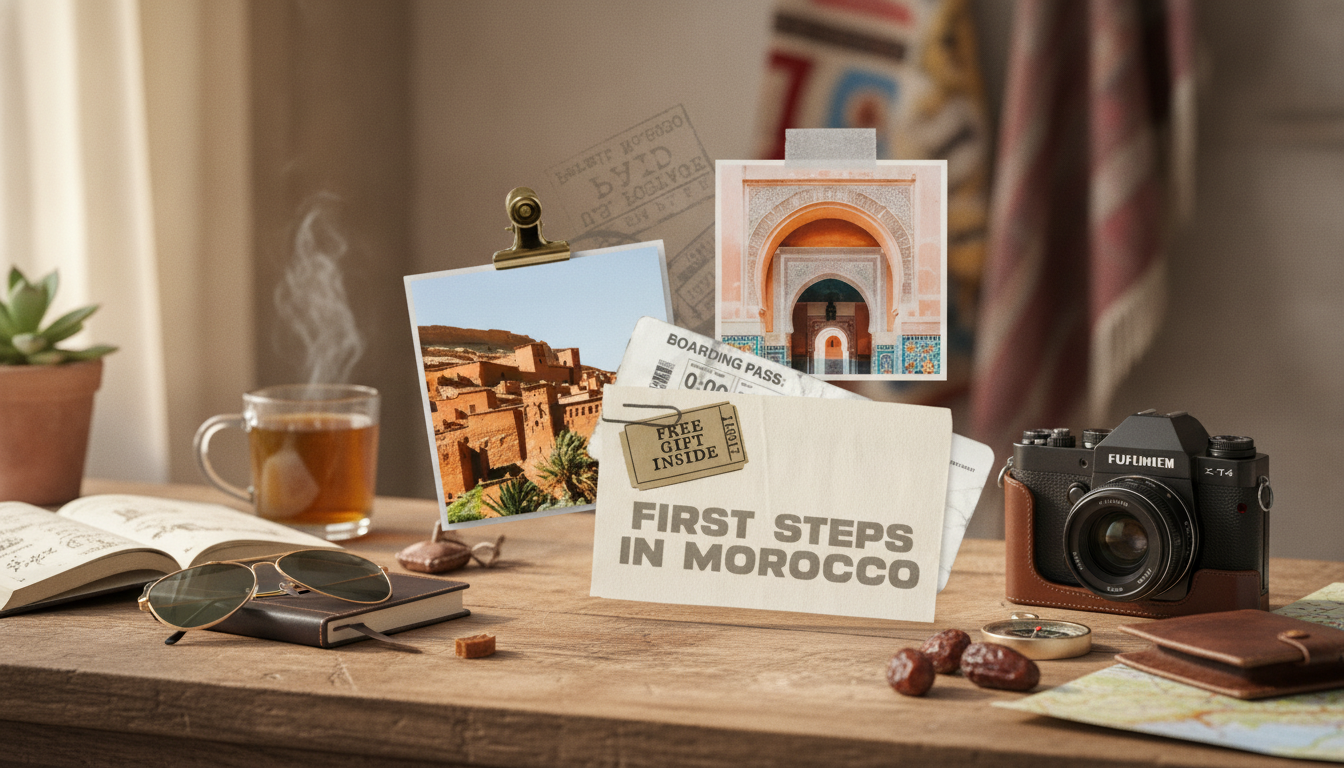
First Steps in Morocco: A Calm, Confident Plan for Marrakech, Fes, and a Desert Trip
Morocco can feel intense on a first visit—new rhythms, busy medinas, unfamiliar bargaining, and fast-changing logistics between cities. A simple plan removes most of the stress: choose the right route, set a safety baseline, lock in reliable transport, and learn a few cultural cues that help every interaction go smoothly. The steps below focus on practical first-timer decisions for Marrakech, Fes, and a Sahara-style desert experience, with checklists that keep planning realistic and flexible.
What to Decide Before Booking Anything
- Pick travel dates based on comfort: spring and fall are often easiest for city walking and desert temperatures; summer heat can be intense inland.
- Choose a route that reduces backtracking: a common first-timer flow is Marrakech → (Atlas/Desert) → Fes, or the reverse.
- Decide travel pace: two “home bases” (Marrakech + Fes) plus one desert circuit is usually easier than changing hotels daily.
- Set a baseline budget: riad vs hotel, private transfers vs shared transport, and guided tours will shape total cost fast.
- Confirm entry requirements early: check passport validity and keep digital and paper copies of key documents.
Quick Route Options for a First Trip
| Route style | Best for | Typical time needed | Notes |
|---|---|---|---|
| Cities-first (Marrakech + Fes) | Food, markets, architecture | 5–7 days | Add a day trip to the Atlas Valley or Essaouira for breathing room |
| Cities + desert circuit | Classic highlights with one big adventure | 7–10 days | Most desert itineraries are 2–3 nights with long drives; plan recovery time |
| North focus (Tangier/Chefchaouen + Fes) | Slower pace and cooler evenings | 6–9 days | Great if arriving via Spain; desert add-on increases transit time |
Safety Basics That Make Everything Easier
- Use situational awareness in crowds: keep phone and wallet secured, avoid flashing valuables, and be cautious with unsolicited “guides.”
- Make arrivals easy: late-night arrivals are smoother with a pre-arranged pickup, especially if your stay is inside a medina with car-free lanes.
- Agree on prices upfront: taxis and some services vary—confirm the total before you get in or start.
- Keep essentials offline: emergency numbers, your accommodation address in Arabic/French, and a screenshot of maps for medina navigation.
- Match local norms: modest dress in conservative areas can reduce unwanted attention and improve everyday interactions.
For official updates, review current guidance from the U.S. Department of State and health recommendations from the CDC.
Choosing Where to Stay: Riad vs Hotel (and Location Matters)
- Medina stays: atmospheric and walkable, but can be noisy—request a quiet room if you’re a light sleeper.
- New city (modern districts): easier car access and predictable navigation, often larger rooms; budget extra taxi time to the medina.
- Ask about access: some riads require a short walk from the nearest drop-off point—request a map pin and clear directions.
- Prioritize comfort basics: strong A/C or heating (seasonal), reliable hot water, and a well-reviewed breakfast.
Getting Around: Taxis, Trains, and Transfers
- Within cities: use official petit taxis where available; carry small bills and confirm whether the meter is used.
- Between major cities: trains can be a comfortable option on several routes; buy tickets ahead during holidays and weekends.
- Desert circuits: compare private vs shared tours—private offers control over stops and timing; shared reduces cost but locks you into a group schedule.
- Build in buffers: medina checkouts, traffic, and station queues can add 30–60 minutes more than expected.
Marrakech for First-Timers: A Simple Two-Day Plan
Day 1: Orientation without overwhelm
- Do a medina loop that prioritizes confidence over coverage: main squares, a few souk lanes, then a low-pressure café viewpoint.
- If someone insists on “helping,” a calm “no thank you” and steady walking usually works better than debating.
Day 2: One major site + recovery time
- Pick one major cultural stop (palace, gardens, or a museum) and let it be the anchor of the day.
- Book a hammam/spa session to reset—especially useful before a long transfer day.
- Food strategy: mix street snacks with one or two sit-down meals; when menus aren’t clear, confirm pricing before ordering.
- Shopping strategy: set a “souks budget” and decide what matters most (leather, ceramics, textiles) before negotiating.
Fes for First-Timers: Navigating the Medina Without Burnout
Desert Trips: What “Sahara Experience” Usually Means
Money, Connectivity, and Practical Etiquette
A Lightweight Packing List That Fits City Days and Desert Nights
A Ready-to-Use Planning Tool (and a Comfort Upgrade for Home)
If you want a clear checklist and a proven route, First Steps in Morocco: First-Time Morocco Travel Guide eBook (Digital Download) keeps decisions simple—what to book first, how to stay comfortable in Marrakech and Fes, and how to choose a desert circuit that matches your time and energy.
And if you love the “reset” feeling of hammams and want that recovery option year-round, an at-home wellness upgrade like the Infrared Sauna for One Person can be a practical way to unwind after long travel days.
FAQ
Is Morocco safe for first-time travelers?
Morocco is generally manageable for first-timers with common-sense precautions: secure valuables in crowds, ignore pushy “guides,” and confirm prices before services start. A pre-arranged transfer is especially helpful for late arrivals to medina accommodations.
How many days are enough for Marrakech, Fes, and a desert trip?
Plan 7–10 days for a comfortable pace, since desert itineraries often include long driving days plus an overnight camp. With only 5–6 days, consider Marrakech plus a shorter Atlas or coastal day trip instead of the full desert circuit.
What should be packed for the desert if visiting in spring or fall?
Bring layers for warm days and chilly nights, including a warm top, long pants, and a scarf for wind and sand. Closed-toe shoes, hydration basics, and lip/skin protection help a lot; “luxury” camps may reduce the need for extra bedding, but not for warmth.
Recommended for you


Gladiator T-Strap Sandals: Fit, Comfort, Style Guide
Jun 23, 2026
Plush Pet Jumpsuit Pajamas: Cozy Winter Fit & Safety
Jun 24, 2026












Leave a comment