-
Shop
- Adidas
- Advanced Technologies
- AI Skills Mastery 2026 Collection
- Best-Sellers
- Calvin Klein
- Car Accessories
- Confidence
- Dating & Social Skills
- Digital Resources
- AI & Technology
- AI Skills
- Beauty
- Budgeting & Saving
- Car Buying & Ownership
- Cozy Feast Collection
- Electronics & Technology
- Entrepreneurship & Business Growth
- Financial Education
- Financial Independence
- Financial Mindset & Psychology
- Goal Setting
- Hobbies
- Home Styling & Organization
- Kitchen & Recipes
- Leadership
- Mindset
- Online Business
- Parenting & Child Development
- Personal Style & Fashion
- Pet Lifestyle & Wellness
- Positive Thinking
- Sleep Improvement
- Stress Management & Relaxation
- Travel Planning
- Yoga & Fitness
- Yoga & Mind-Body Practices
- Education & Learning
- Family & Parenting
- Fashion
- Alexander McQueen
- Bags
- Bags & Wallets
- Balenciaga
- Belts
- Blazers
- Bottega Veneta
- Brunello Cucinelli
- Burberry
- Chanel
- Chloé
- Dior
- Dolce & Gabbana
- Dresses
- Etro
- Fendi
- Gucci
- Hats & Hair Accessories
- Hoodies & Sweatshirts
- Jacquemus
- Jewelry
- Jil Sander
- Keychains
- Kiton
- Luggage
- Miu Miu
- Off-White
- Prada
- Rick Owens
- Saint Laurent
- Socks & Tights
- Sweaters & Cardigans
- The Row
- Tom Ford
- Tops & Shirts
- Valentino
- Valentino Garavani
- Versace
- Vivienne Westwood
- Watches
- Furniture
- Gadgets
- Health & Beauty
- Health & Wellness
- Home & Garden
- Kids & Babies
- Kitchen
- Lighting
- Patio, Lawn & Garden
- Personal Growth
- Pet Care
- Pet Supplies
- Pets
- Shoes
- Smart Home Living Guides
- Sport & Outdoors
- Stress Relief & Relaxation
- TikTok Growth & Monetization Mastery
- Travel
- Travel & Adventure
- Wealth
- Wellness
- YouTube Shorts Best-Sellers
- Popular
- Best deals
Fashion History Bundle: Compare Silhouettes Across Eras
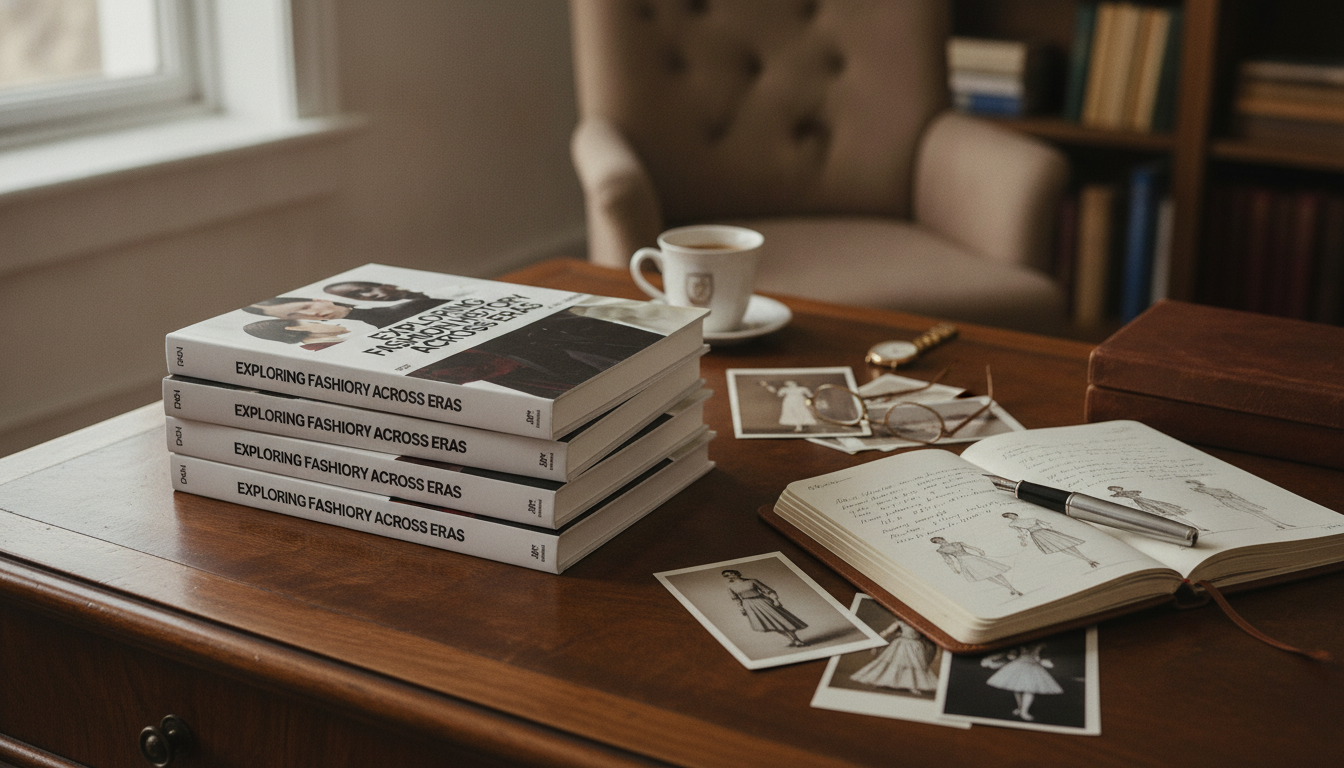
Exploring Fashion History Across Eras: A 4-in-1 Digital Bundle
Fashion history connects clothing to the forces that shaped everyday life: technology, trade, politics, art, and social change. A structured, era-spanning resource makes it easier to see how silhouettes evolve, why certain materials appear when they do, and how cultural ideals move through time. With an across-eras digital bundle, the goal is coherence—understanding fashion as a chain of causes and responses rather than a set of disconnected dates.
Below is a practical way to think about what a 4-in-1 bundle typically includes, how to study with it (or teach from it), and what details to watch for so references feel accurate and design choices feel intentional.
Why fashion history is easier to understand across eras
Studying fashion in a single time slice can be fascinating, but comparisons are where the logic becomes visible. When eras sit side by side, patterns show up quickly: swings between structure and softness, ornament and restraint, or tradition and rebellion. One decade’s “new look” often answers the previous era’s limitations—whether those limitations were moral expectations, material shortages, or changing ideas of mobility and work.
Cross-era learning also helps decode the “why now?” of clothing. Wars and rationing reshape fabric use. Industrialization changes fiber availability, pricing, and speed of production. Cinema and celebrity culture standardize inspiration across regions. Youth movements turn dress into a visible stance. Globalization accelerates trend travel and hybrid aesthetics.
Looking across time highlights continuity in craft, too. Tailoring logic, textile innovation, dye methods, and embellishment techniques evolve, but they rarely vanish. Even when the look changes dramatically, the underlying questions stay familiar: how garments fit, how they move, and what labor (handwork versus mechanization) is considered valuable.
This kind of mapping supports practical outcomes: sourcing accurate references, building mood boards, writing period-consistent characters, or designing collections that borrow historical proportion and detail without turning into costume.
What’s typically included in a 4-in-1 digital fashion history bundle
A 4-in-1 bundle is usually divided into four focused modules, each anchored to a distinct time period or theme. Depending on the resource, modules might move from early dress foundations to industrial-era shifts, modernist changes, and contemporary movements. The strongest bundles balance readable text with visual anchors so the learning “sticks” even when you revisit it months later for a project.
Expect visual references (silhouettes, garment components, textiles, iconic looks), context notes that connect clothing to broader cultural change, and quick-check summaries that reinforce terminology and signatures of each era. The digital format matters for real workflows: searching within a file, saving highlights, and reopening a specific era when you need an immediate reference for sleeves, closures, or proportions.
| Bundle component | What it covers | Best for |
|---|---|---|
| Era modules | Major silhouettes, fabrics, and defining garments by period | Building a reliable mental timeline |
| Visual galleries | Representative looks and details (necklines, sleeves, closures, trims) | Design reference and styling accuracy |
| Context lessons | Social, political, and technology drivers behind changes | Understanding why trends emerge |
| Recap tools | Key terms, checkpoints, and takeaways | Studying efficiently and teaching others |
A practical era-by-era lens: what to watch for when studying
When you open any module, start with the big shape before the small details. Silhouette is the fastest “tell.” Identify whether the era leans toward a column, bell, hourglass, or rectangle, then look for the engineering underneath: stays, corsetry, padding, hoops, shoulder structure, or tailoring canvas. Understructures often explain why garments sit a certain way in portraits and photographs.
Next, track textiles and availability. Common fibers shift with agriculture, trade routes, colonial economies, and industrial capacity. Linen, wool, and silk dominate earlier wardrobes; later, cotton expands and democratizes certain looks; synthetics change both price and performance. When you connect fabric to trade and technology, you’ll spot what’s plausible for a character, costume, or “inspired-by” design concept.
Construction cues are another reliable compass. Seams, closures, and finishing methods reveal period logic: hand sewing versus early machine stitching, bespoke fitting versus standardized sizing, and mass-manufactured notions that suddenly make certain details common. Even without perfect dating, construction often narrows an era faster than decoration does.
How to use a digital bundle for learning, teaching, or creative work
For students
For designers
For writers and filmmakers
For educators and workshop leaders
Who this kind of bundle fits best
Getting the most value from the bundle
When possible, cross-check iconic images with museum collections to see real proportions and materials beyond stylized illustration. Helpful starting points include the Metropolitan Museum of Art’s Heilbrunn Timeline of Art History, the Victoria and Albert Museum’s Fashion collection, and the FIT Museum.
Featured products
- Exploring Fashion History Across Eras: 4-in-1 Digital Bundle on Fashion History
- Solid Wood Coffee Table with Storage Drawers
FAQ
Is a digital fashion history bundle suitable for beginners?
Yes. The best bundles break learning into era modules, rely on visual examples to make silhouettes easy to spot, and include short summaries so you can review without getting overwhelmed. A simple order is silhouette first, then materials and construction, then cultural context.
How can fashion history help modern styling or design work?
It gives you a library of proportions, details, and styling “rules” you can reinterpret for today—like borrowing an era’s shoulder line or closure placement without copying an entire look. It also makes mood boards stronger because references become more specific and consistent.
What should be included in a solid fashion history resource?
Look for clear era structure, strong visuals, reliable terminology, cultural context, and construction cues (seams, closures, finishing). Resources that encourage comparisons across periods tend to build faster recall and more accurate design decisions.












Leave a comment