-
Shop
- Adidas
- Advanced Technologies
- AI Skills Mastery 2026 Collection
- Best-Sellers
- Calvin Klein
- Car Accessories
- Confidence
- Dating & Social Skills
- Digital Resources
- AI & Technology
- AI Skills
- Beauty
- Budgeting & Saving
- Car Buying & Ownership
- Cozy Feast Collection
- Electronics & Technology
- Entrepreneurship & Business Growth
- Financial Education
- Financial Independence
- Financial Mindset & Psychology
- Goal Setting
- Hobbies
- Home Styling & Organization
- Kitchen & Recipes
- Leadership
- Mindset
- Online Business
- Parenting & Child Development
- Personal Style & Fashion
- Pet Lifestyle & Wellness
- Positive Thinking
- Sleep Improvement
- Stress Management & Relaxation
- Travel Planning
- Yoga & Fitness
- Yoga & Mind-Body Practices
- Education & Learning
- Family & Parenting
- Fashion
- Alexander McQueen
- Bags
- Bags & Wallets
- Balenciaga
- Belts
- Blazers
- Bottega Veneta
- Brunello Cucinelli
- Burberry
- Chanel
- Chloé
- Dior
- Dolce & Gabbana
- Dresses
- Etro
- Fendi
- Gucci
- Hats & Hair Accessories
- Hoodies & Sweatshirts
- Jacquemus
- Jewelry
- Jil Sander
- Keychains
- Kiton
- Luggage
- Miu Miu
- Off-White
- Prada
- Rick Owens
- Saint Laurent
- Socks & Tights
- Sweaters & Cardigans
- The Row
- Tom Ford
- Tops & Shirts
- Valentino
- Valentino Garavani
- Versace
- Vivienne Westwood
- Watches
- Furniture
- Gadgets
- Health & Beauty
- Health & Wellness
- Home & Garden
- Kids & Babies
- Kitchen
- Lighting
- Patio, Lawn & Garden
- Personal Growth
- Pet Care
- Pet Supplies
- Pets
- Shoes
- Smart Home Living Guides
- Sport & Outdoors
- Stress Relief & Relaxation
- TikTok Growth & Monetization Mastery
- Travel
- Travel & Adventure
- Wealth
- Wellness
- YouTube Shorts Best-Sellers
- Popular
- Best deals
High-Yield Commercial Electric Ice Crusher for Fast Service
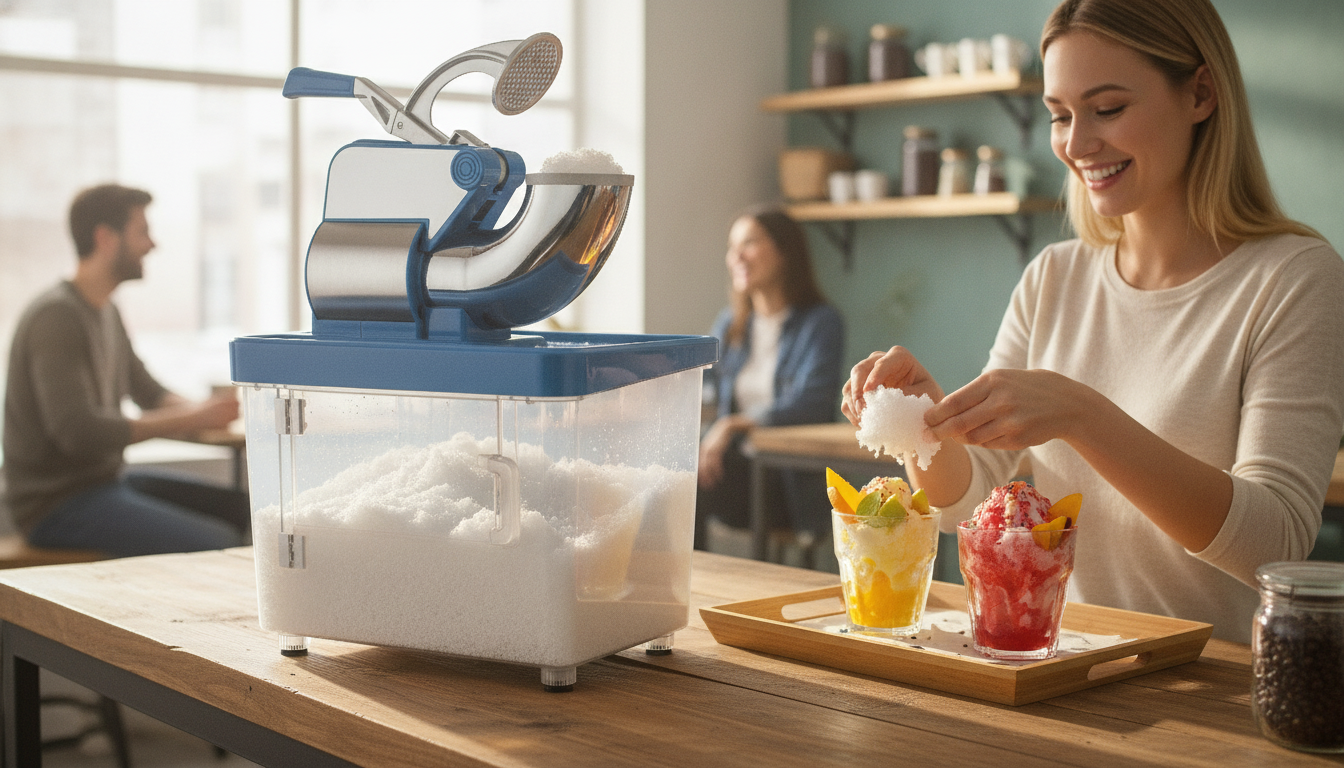
Commercial Electric Ice Crusher Machine with High Ice Yield
Busy drink and dessert service depends on fast, consistent crushed ice. A commercial electric ice crusher with high ice yield helps keep tickets moving by turning cube ice into a steady stream of uniform crushed ice for cocktails, smoothies, shaved-ice treats, and cold displays—without the variability and downtime of manual crushing.
What “high ice yield” changes during peak service
When demand spikes, crushed ice becomes a behind-the-scenes ingredient that can make or break speed. “High ice yield” isn’t just about volume—it’s about keeping output predictable so your team can portion quickly and maintain the same drink experience all shift long.
- Reduces wait time by producing more crushed ice per batch, helping avoid gaps between rounds of drinks or desserts.
- Improves consistency across servings so texture and dilution behave predictably from the first order to the last.
- Lowers strain on staff by minimizing manual ice handling and the need for repeated small crushing cycles.
- Supports multi-station workflows: bar, beverage station, and prep can draw from the same crushed-ice supply when output is reliable.
Where this machine fits best
A commercial electric ice crusher is a practical match anywhere crushed ice is used as a service accelerator—speeding chill, improving presentation, and enabling consistent recipes.
- Bars and cocktail programs needing crushed ice for juleps, tiki drinks, and rapid chilling with controlled dilution.
- Cafés and juice/smoothie counters where crushed ice improves blend consistency and speed.
- Concession stands, food trucks, and event service where fast, repeatable output matters more than specialty ice shapes.
- Seafood and cold-food presentation where a bed of crushed ice supports temperature control for short display windows (following local food safety requirements).
Performance factors that drive real-world output
Specs matter, but day-to-day results depend on how the machine handles continuous loading, variable ice quality, and uninterrupted flow into your catch bin.
- Feed style and throat size: wider intake can reduce prep time and prevent frequent stoppages when loading cube ice.
- Blade and crushing design: robust components help maintain crush uniformity and throughput under continuous use.
- Motor and duty cycle: commercial environments benefit from equipment designed to run in longer sessions without overheating.
- Ice input quality: hard, clean cubes generally crush more predictably than partially melted or clumped ice.
- Discharge path: smooth, unclogged chutes help maintain steady flow into bins or containers.
For safety and compliance-minded operations, it’s also worth aligning your practices with recognized guidance on food-contact equipment and electrical safety, such as the FDA Food Code, OSHA electrical safety, and NSF food equipment standards.
Crushed ice texture planning (and what to use it for)
The “best” crushed ice is the one that matches your menu and service tempo. Plan texture around how fast you need chilling, how long the ice must hold its structure, and how consistent you need portioning.
- Finer crush increases surface area for faster chilling but can melt quicker; ideal for blended drinks and snow-cone style applications.
- Coarser crush holds structure longer in cups and display beds; useful for serving crushed-ice cocktails and short-term cold holding.
- Consistency matters more than absolute fineness: uniform particles reduce watery pockets and improve portioning.
| Texture goal | Best for | Operational note |
|---|---|---|
| Fine / snow-like | Shaved-ice style desserts, rapid chilling, smoothies | Melts faster; plan tighter batch timing |
| Medium crushed | Cocktails (tiki/julep), iced coffees, general beverage service | Balanced chill and dilution control |
| Coarse crushed / pebble-like | Cold display beds, high-volume cup service | Holds longer; can reduce refill frequency |
Setup and daily operation checklist
A consistent routine helps protect yield during rushes. The goal is to prevent backups at the discharge and avoid feeding conditions that encourage clumping.
- Place on a stable, level surface with enough clearance for loading ice and positioning a catch bin under the discharge.
- Use an appropriate container size so output can flow without backing up; avoid overfilling the bin mid-run.
- Load only clean, food-safe ice; remove bag clips, twist ties, or debris that could jam moving parts.
- Start with shorter runs until a rhythm is established for batch size, texture preference, and bin swap timing.
- During rush periods, rotate between producing a reserve bin and topping off as needed to prevent sudden shortages.
Cleaning, sanitation, and maintenance habits that protect yield
Featured option: Commercial Electric Ice Crusher Machine with High Ice Yield
If your menu leans on crushed ice, a dedicated electric crusher helps stabilize service pace and keep drink builds consistent across staff and stations. The Commercial Electric Ice Crusher Machine with High Ice Yield is built for commercial-style output where frequent batches and dependable flow matter.
| Item | Details |
|---|---|
| Product | Commercial Electric Ice Crusher Machine with High Ice Yield |
| Price | 322.51 USD |
| Availability | In stock |
Other in-stock picks for service areas
- Solid Wood Coffee Table with Storage Drawers for a tidy lounge or seating area near the beverage counter.
- Earth Design Kids Rug to define a small family-friendly corner in cafés or event spaces.
FAQ
Can this type of commercial ice crusher handle bagged cube ice?
Yes in most cases, as long as the ice is clean and free of hard clumps. Avoid partially melted blocks that can jam the intake and reduce output.
How can crushed ice output stay consistent during a rush?
Use a dedicated catch bin, avoid overfilling the discharge area, and run repeatable batch sizes. Keeping ice input dry and free-flowing also helps prevent clumping that slows production.
What’s the best way to clean an electric ice crusher safely?
Unplug before cleaning and keep water away from electrical components. Wash removable food-contact parts as directed and fully dry surfaces to reduce corrosion and ice clumping.
Recommended for you
New Puppy First-Day Checklist: Setup, Potty & Sleep
Jun 28, 2026













Leave a comment