-
Shop
- Adidas
- Advanced Technologies
- AI Skills Mastery 2026 Collection
- Best-Sellers
- Calvin Klein
- Car Accessories
- Confidence
- Dating & Social Skills
- Digital Resources
- AI & Technology
- AI Skills
- Beauty
- Budgeting & Saving
- Car Buying & Ownership
- Cozy Feast Collection
- Electronics & Technology
- Entrepreneurship & Business Growth
- Financial Education
- Financial Independence
- Financial Mindset & Psychology
- Goal Setting
- Hobbies
- Home Styling & Organization
- Kitchen & Recipes
- Leadership
- Mindset
- Online Business
- Parenting & Child Development
- Personal Style & Fashion
- Pet Lifestyle & Wellness
- Positive Thinking
- Sleep Improvement
- Stress Management & Relaxation
- Travel Planning
- Yoga & Fitness
- Yoga & Mind-Body Practices
- Education & Learning
- Family & Parenting
- Fashion
- Alexander McQueen
- Bags
- Bags & Wallets
- Balenciaga
- Belts
- Blazers
- Bottega Veneta
- Brunello Cucinelli
- Burberry
- Chanel
- Chloé
- Dior
- Dolce & Gabbana
- Dresses
- Etro
- Fendi
- Gucci
- Hats & Hair Accessories
- Hoodies & Sweatshirts
- Jacquemus
- Jewelry
- Jil Sander
- Keychains
- Kiton
- Luggage
- Miu Miu
- Off-White
- Prada
- Rick Owens
- Saint Laurent
- Socks & Tights
- Sweaters & Cardigans
- The Row
- Tom Ford
- Tops & Shirts
- Valentino
- Valentino Garavani
- Versace
- Vivienne Westwood
- Watches
- Furniture
- Gadgets
- Health & Beauty
- Health & Wellness
- Home & Garden
- Kids & Babies
- Kitchen
- Lighting
- Patio, Lawn & Garden
- Personal Growth
- Pet Care
- Pet Supplies
- Pets
- Shoes
- Smart Home Living Guides
- Sport & Outdoors
- Stress Relief & Relaxation
- TikTok Growth & Monetization Mastery
- Travel
- Travel & Adventure
- Wealth
- Wellness
- YouTube Shorts Best-Sellers
- Popular
- Best deals
Adult Dog Potty Training: 7-Day Schedule + Tracking
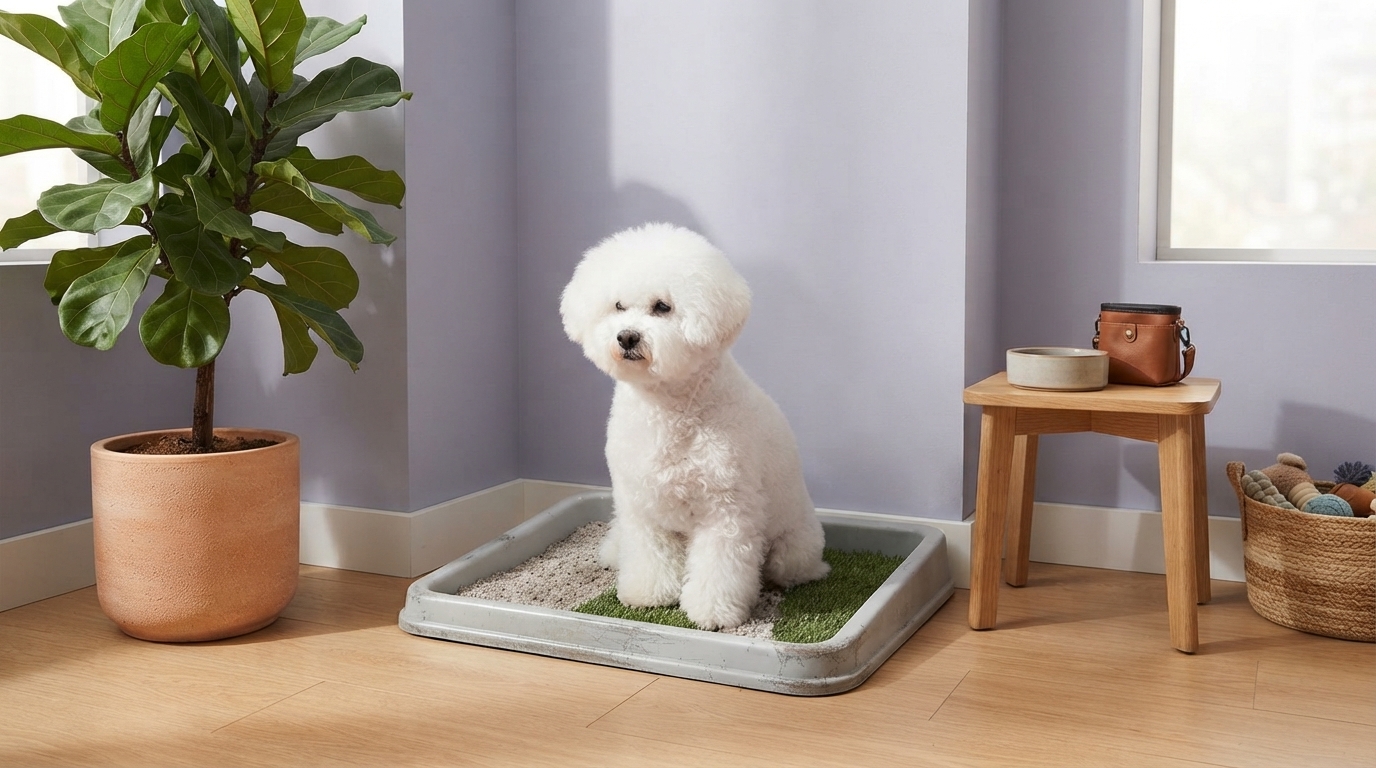
Potty Training an Adult Dog: A Step-by-Step Plan With Schedules, Proven Techniques, and Smart Tracking Tools
Adult dogs can learn reliable potty habits quickly when the plan is consistent: set a predictable schedule, manage the environment, reward the right choice, and track patterns so accidents become rare and short-lived. The key is removing “maybe” moments—no unsupervised wandering, no confusing potty locations, and no delayed rewards. Below is a practical routine you can start today, plus troubleshooting for common setbacks and simple smart-tracking ideas that keep humans consistent (which is what dogs really respond to). For more guidance, see Housetraining survival guide | Animal Humane Society.
Before Starting: Rule Out Medical and Stress-Related Causes
If house-soiling is sudden or your dog was previously reliable, start with health and stress checks. A quick vet visit is especially important if you notice increased thirst or urination, diarrhea, straining, blood, pain, or nighttime accidents that appear out of nowhere. Medical issues can look like “training problems” and will stall progress until addressed. For further reading, see Potty Training for Puppies and Adult Dogs | San Diego Humane ….
Also consider recent changes that can spike accidents: a move, a new pet, a new work schedule, loud construction, visitors, or separation anxiety. Newly adopted dogs often need a short decompression period; early accidents commonly reflect transition and unclear routines rather than stubbornness.
Before you begin retraining, decide on one potty location—an outdoor spot, a balcony potty, or a consistent indoor pad if access is truly limited—and stick with it for the first few weeks so the habit becomes clear.
Set Up the Environment for Success
Environment beats willpower. For retraining, your dog should either be supervised or confined—no in-between. Use an appropriately sized crate (enough room to stand, turn, and lie down) or an exercise pen to prevent roaming and surprise accidents. Block access to carpeted rooms and bedrooms with baby gates and closed doors until reliability improves.
Clean every accident thoroughly with an enzymatic cleaner; standard cleaners can leave scent cues that invite repeat soiling or marking. Keep your communication simple: one potty cue (“Go potty”), one reward marker (“Yes”), and one high-value reward stored near the exit so you can pay instantly.
If you suspect marking (small amounts in multiple spots, especially near doors/windows or high-traffic areas), tighten supervision, limit free access, and reduce triggers (like viewing outdoor dogs through windows).
The Core Method: Supervision, Schedule, and Reward Timing
During retraining, freedom is earned in tiny increments. Take your dog to the chosen potty spot on leash, stand quietly, and wait 5–10 minutes—avoid play until after elimination so the potty trip doesn’t become a “let’s mess around” event.
Step-by-Step: First 7 Days Reset Plan
Days 1–2: Tight management
Days 3–4: Earned freedom blocks
Days 5–7: Expand carefully
Night plan
Practical Potty Schedules (Adjust by Pattern, Not Guesswork)
| Time block | What to do | Notes |
|---|---|---|
| Wake-up | Straight outside to potty spot; reward immediately | No free roaming until a successful potty |
| After breakfast (10–30 min) | Potty trip; reward; brief walk | Some dogs need 2 trips: immediately and again after 20 min |
| Mid-morning | Potty trip + short training session | Training helps build routine and reduces anxiety |
| After lunch (if fed) | Potty trip; reward | If not fed, keep a mid-day trip anyway |
| After play/excitement | Potty trip right after play ends | Excitement often triggers accidents indoors |
| After dinner (10–30 min) | Potty trip; reward; calm time | Avoid long free-roam periods right after eating |
| Before bed | Final potty trip; reward; settle | If accidents persist overnight, add one scheduled night trip temporarily |
Handling Accidents the Right Way
Common Adult-Dog Challenges and Fixes
Marking vs. needing to potty
Fear of outdoors or bad weather
Apartment living
Separation anxiety accidents
Multi-dog households
Using Smart Tracking and AI Tools Without Overcomplicating It
When Training Stalls: A Fast Reset Checklist
A Ready-to-Follow Step-by-Step Plan
If you want a structured routine, printable schedules, and guided tracking prompts that pair well with smart reminders, use Training Your Adult Dog to Use the Potty – Step-by-Step Guide for How to Potty Train Adult Dog with Proven Techniques, Schedules, and AI Tools. Follow the plan for 7 days, then adjust intervals based on your log rather than guesswork.
To make consistency easier for the humans in the house, it also helps to create one “training station” near the exit (treats, waste bags, leash, cleaner, log). A storage piece with drawers can keep rewards and supplies out of sight but always within reach, such as the Solid Wood Coffee Table with Storage Drawers.
Helpful references (authoritative)
For additional housetraining fundamentals and prevention tips, see the American Veterinary Medical Association (AVMA) guidance on house-training and the ASPCA overview of housetraining.
FAQ
How long does it take to potty train an adult dog?
Many adult dogs improve significantly in 1–2 weeks, but full reliability commonly takes 2–8 weeks depending on past habits, supervision consistency, and any medical or stress factors. The first week matters most because tight management prevents accidents from becoming a repeating pattern.
Should an adult dog be crate trained for potty training?
A properly sized crate or exercise pen can be very helpful because it prevents roaming and teaches a simple routine: potty outside, then supervised freedom. The crate should never be used as punishment, and dogs with severe confinement anxiety may need a different management approach.
What should be done if an adult dog keeps having accidents at night?
Schedule a last potty trip right before bed, consider limiting late-evening water (without restricting normal hydration), and add a temporary planned nighttime potty trip if needed. If nighttime accidents are sudden or worsening, arrange a vet check to rule out medical causes, then phase out the night trip gradually once mornings stay dry.















Leave a comment