-
Shop
- Adidas
- Advanced Technologies
- AI Skills Mastery 2026 Collection
- Best-Sellers
- Calvin Klein
- Car Accessories
- Confidence
- Dating & Social Skills
- Digital Resources
- AI & Technology
- AI Skills
- Beauty
- Budgeting & Saving
- Car Buying & Ownership
- Cozy Feast Collection
- Electronics & Technology
- Entrepreneurship & Business Growth
- Financial Education
- Financial Independence
- Financial Mindset & Psychology
- Goal Setting
- Hobbies
- Home Styling & Organization
- Kitchen & Recipes
- Leadership
- Mindset
- Online Business
- Parenting & Child Development
- Personal Style & Fashion
- Pet Lifestyle & Wellness
- Positive Thinking
- Sleep Improvement
- Stress Management & Relaxation
- Travel Planning
- Yoga & Fitness
- Yoga & Mind-Body Practices
- Education & Learning
- Family & Parenting
- Fashion
- Alexander McQueen
- Bags
- Bags & Wallets
- Balenciaga
- Belts
- Blazers
- Bottega Veneta
- Brunello Cucinelli
- Burberry
- Chanel
- Chloé
- Dior
- Dolce & Gabbana
- Dresses
- Etro
- Fendi
- Gucci
- Hats & Hair Accessories
- Hoodies & Sweatshirts
- Jacquemus
- Jewelry
- Jil Sander
- Keychains
- Kiton
- Luggage
- Miu Miu
- Off-White
- Prada
- Rick Owens
- Saint Laurent
- Socks & Tights
- Sweaters & Cardigans
- The Row
- Tom Ford
- Tops & Shirts
- Valentino
- Valentino Garavani
- Versace
- Vivienne Westwood
- Watches
- Furniture
- Gadgets
- Health & Beauty
- Health & Wellness
- Home & Garden
- Kids & Babies
- Kitchen
- Lighting
- Patio, Lawn & Garden
- Personal Growth
- Pet Care
- Pet Supplies
- Pets
- Shoes
- Smart Home Living Guides
- Sport & Outdoors
- Stress Relief & Relaxation
- TikTok Growth & Monetization Mastery
- Travel
- Travel & Adventure
- Wealth
- Wellness
- YouTube Shorts Best-Sellers
- Popular
- Best deals
Red-Flag Dog Behavior: Warning Signs & What to Do
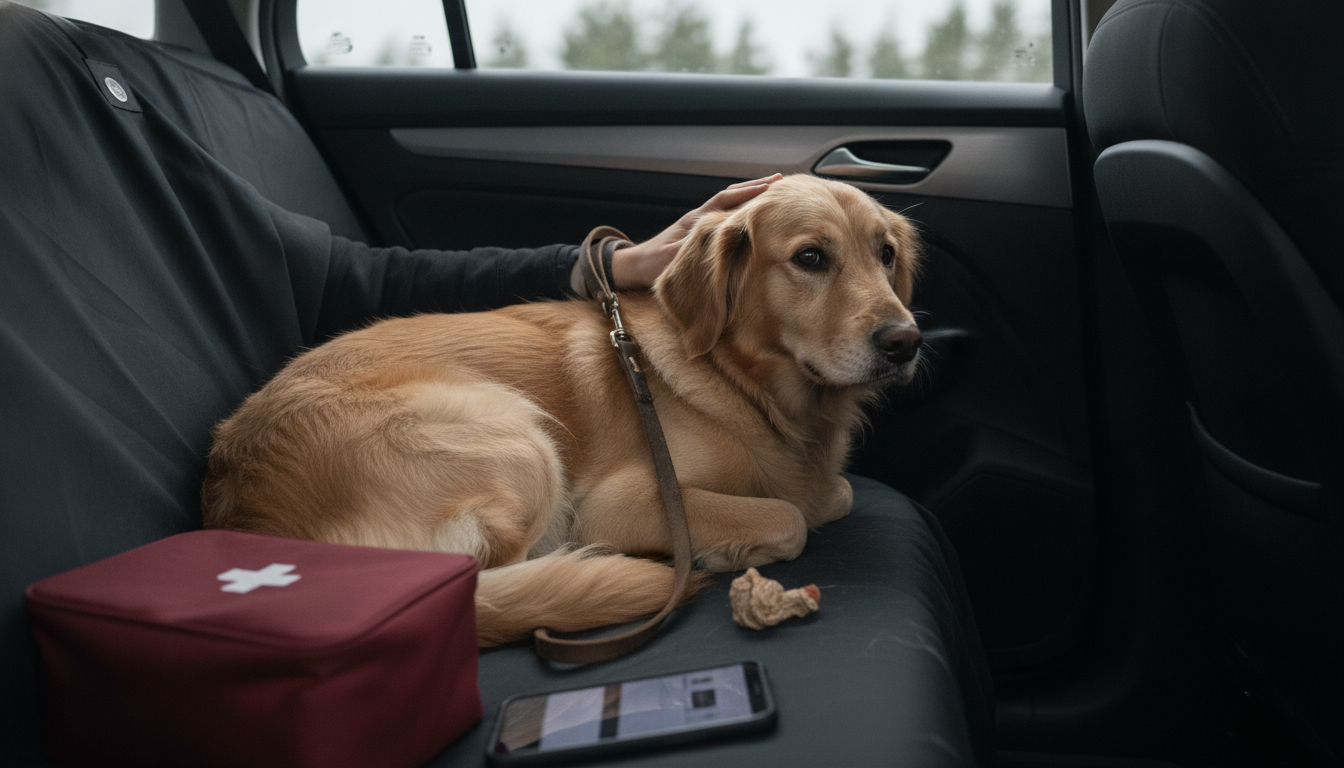
What is a red flag dog’s behavior?
A red flag dog’s behavior is any sudden, intense, or escalating change that suggests fear, pain, illness, or a growing risk of aggression. It’s less about a single “bad habit” and more about patterns that are new, extreme, or out of character for that dog.
Signs that should get attention quickly
Some behaviors are especially concerning because they can lead to injury (to people, other pets, or the dog) or signal an urgent medical issue:
- Growling, snapping, or biting—especially if it’s new, occurs “without warning,” or is triggered by everyday handling.
- Stiff, frozen body posture, hard staring, raised hackles, or guarding a doorway, couch, food, toys, or a person.
- Sudden avoidance or hiding, flinching when touched, or refusing normal activities like walks.
- Unusual sensitivity to touch (yelping, turning the head quickly, or attempting to mouth/escape) which can indicate pain.
- Major changes in appetite, drinking, sleep, or bathroom habits, including accidents in a previously house-trained dog.
- Confusion, disorientation, or “not acting like themselves,” such as pacing, getting stuck, or staring into space.
Why red-flag behavior happens
Behavior is often a message. Dogs may act out because of medical problems (pain, dental disease, ear infections, GI issues), stress, fear, lack of socialization, or learned patterns that are worsening. A dog that “suddenly became aggressive” is frequently reacting to discomfort or a scary situation rather than becoming “bad.”
What to do next
Start by making situations safer: avoid forcing contact, prevent access to triggers (like food bowls or favorite resting spots), and supervise closely around kids and other pets. Then schedule a veterinary check to rule out pain or illness, and consider a qualified trainer or veterinary behaviorist if aggression or severe anxiety is involved. For a deeper look at early warning signs and what changes to watch for, visit this guide on early pet behavior changes.
FAQ
When should I take my dog to the vet for behavior changes?
Go promptly if the change is sudden, severe, or paired with symptoms like vomiting, diarrhea, limping, yelping, appetite changes, or accidents in the house. Any new snapping or biting also warrants a medical check to rule out pain.
Recommended for you


Travel Wind-Down: AI Evening Reset for Better Sleep
Jul 22, 2026













Leave a comment