-
Shop
- Adidas
- Advanced Technologies
- AI Skills Mastery 2026 Collection
- Best-Sellers
- Calvin Klein
- Car Accessories
- Confidence
- Dating & Social Skills
- Digital Resources
- AI & Technology
- AI Skills
- Beauty
- Budgeting & Saving
- Car Buying & Ownership
- Cozy Feast Collection
- Electronics & Technology
- Entrepreneurship & Business Growth
- Financial Education
- Financial Independence
- Financial Mindset & Psychology
- Goal Setting
- Hobbies
- Home Styling & Organization
- Kitchen & Recipes
- Leadership
- Mindset
- Online Business
- Parenting & Child Development
- Personal Style & Fashion
- Pet Lifestyle & Wellness
- Positive Thinking
- Sleep Improvement
- Stress Management & Relaxation
- Travel Planning
- Yoga & Fitness
- Yoga & Mind-Body Practices
- Education & Learning
- Family & Parenting
- Fashion
- Alexander McQueen
- Bags
- Bags & Wallets
- Balenciaga
- Belts
- Blazers
- Bottega Veneta
- Brunello Cucinelli
- Burberry
- Chanel
- Chloé
- Dior
- Dolce & Gabbana
- Dresses
- Etro
- Fendi
- Gucci
- Hats & Hair Accessories
- Hoodies & Sweatshirts
- Jacquemus
- Jewelry
- Jil Sander
- Keychains
- Kiton
- Luggage
- Miu Miu
- Off-White
- Prada
- Rick Owens
- Saint Laurent
- Socks & Tights
- Sweaters & Cardigans
- The Row
- Tom Ford
- Tops & Shirts
- Valentino
- Valentino Garavani
- Versace
- Vivienne Westwood
- Watches
- Furniture
- Gadgets
- Health & Beauty
- Health & Wellness
- Home & Garden
- Kids & Babies
- Kitchen
- Lighting
- Patio, Lawn & Garden
- Personal Growth
- Pet Care
- Pet Supplies
- Pets
- Shoes
- Smart Home Living Guides
- Sport & Outdoors
- Stress Relief & Relaxation
- TikTok Growth & Monetization Mastery
- Travel
- Travel & Adventure
- Wealth
- Wellness
- YouTube Shorts Best-Sellers
- Popular
- Best deals
Travel Wind-Down: AI Evening Reset for Better Sleep
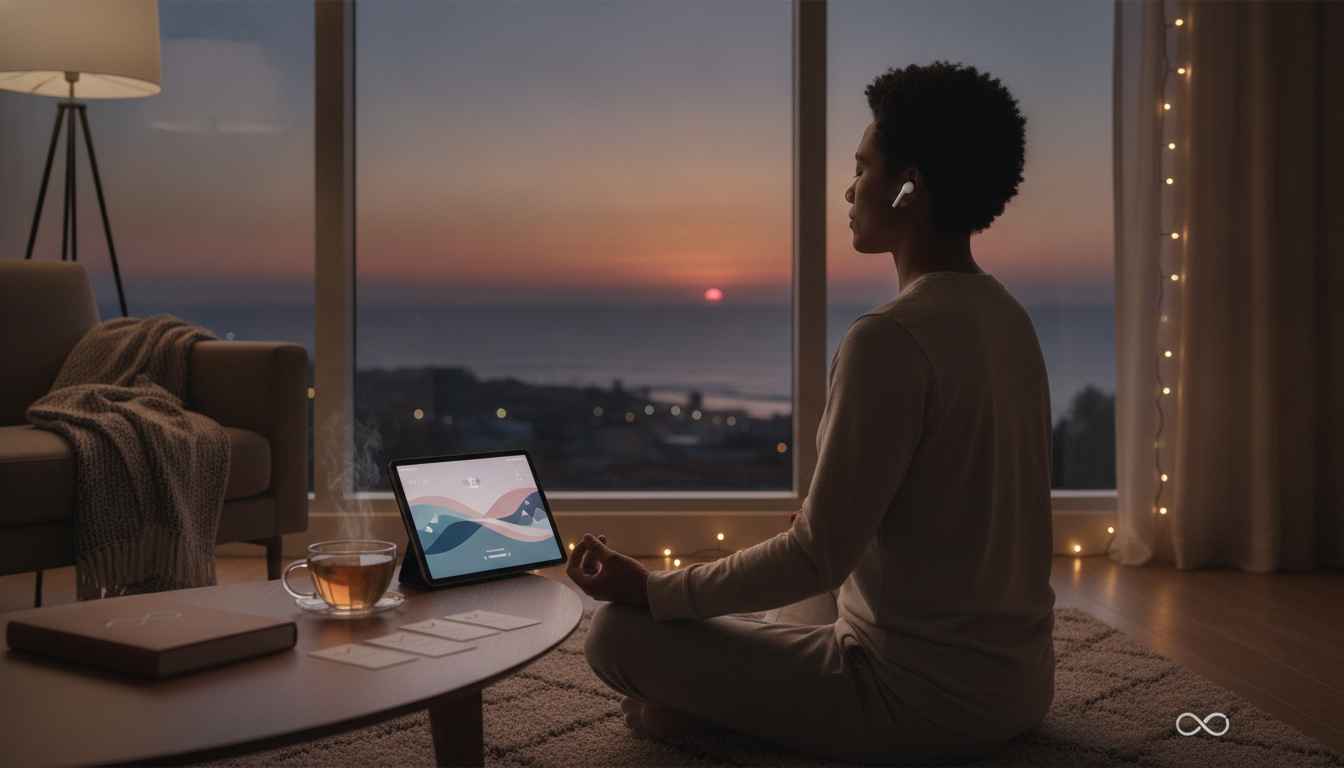
AI Evenings: A Calm Reset After a Full Day of Adventure
Long days of exploring can leave the body energized and the mind overstimulated. A well-designed evening routine helps shift from “go mode” to genuine recovery—without losing the magic of travel. The goal is simple: use a few repeatable steps (plus optional AI-assisted ideas) to wind down, reflect, and sleep better while staying flexible for any destination or schedule.
Why evenings feel harder on the road
Travel days stack stimulation in a way ordinary life rarely does. New places, navigation decisions, crowds, photos, and constant micro-planning keep the brain “on,” even after your legs are ready to quit.
On top of that, travel adds classic sleep disruptors: unfamiliar beds, late meals, time-zone shifts, and irregular bursts of activity (a long museum stretch, then a sprint to catch a train). Over time, that combination can make evenings feel oddly difficult—tired but wired.
A good evening routine works because it reduces decision load. You’re not trying to control every variable; you’re creating a gentle default that supports next-day energy without requiring a strict schedule. For foundational sleep guidance, the CDC’s sleep resources are a helpful reference point.
A simple 60-minute reset (adjustable to 15 minutes)
Think of this as a modular routine. Keep the order, change the timing. Even a short version can make the night feel “closed out,” which helps the mind stop replaying the day.
Step 1 (5–10 min): Transition cue
Use a small physical signal that tells your nervous system the “adventure” is over: a shower, a face wash, brushing teeth early, or changing into comfortable clothing. The cue matters more than perfection.
Step 2 (10–15 min): Hydrate and light nourishment
Drink water and aim for something easy to digest. Late heavy meals can keep your system busy when you want it powering down. If you’re hungry, choose simple foods and keep spice levels moderate when possible.
Step 3 (10 min): Body downshift
Release tension from hiking, standing in lines, or city miles. Try gentle stretches, legs-up-the-wall, or a slow, short walk in a calm area of the hotel or neighborhood.
Step 4 (10–15 min): Mind clear
Do a quick journal, notes-app “dump,” or voice memo with three parts: wins, highlights, and worries to revisit tomorrow. Offloading thoughts reduces the urge to keep solving problems in bed. If you’d like evidence-based context for why stress affects sleep and recovery, the APA’s overview of stress effects on the body is a solid primer.
Step 5 (10–15 min): Prepare the morning
Charge devices, set clothes, confirm your first waypoint, and choose one priority for the day. Stop there. Overplanning late at night can reignite the “go mode” you’re trying to turn off.
| Time | Focus | What to do | Best for |
|---|---|---|---|
| 15 minutes | Minimum viable unwind | Hydrate, 2-minute stretch, 5-minute brain dump, set alarm and clothes | Late arrivals, early starts |
| 30 minutes | Recovery + clarity | Add shower, gentle mobility, short reflection, quick morning plan | Moderate activity days |
| 60 minutes | Full recovery ritual | Add calming media, longer stretching, gratitude/reflection, tidy packing zone | Big hike days, high-stimulation cities |
AI-assisted evening ideas that still feel human
The best use of AI at night is a calmer plan, not a busier one. Use it to reduce choices and close mental loops—then step away from the screen.
For travelers who want everything organized in one place, AI Evenings: Relaxing Smartly After a Day of Adventure – Digital Guide, eBook, and Checklist for Travel, Mindfulness, and Evening AI Experiences turns these ideas into a repeatable, low-effort framework.
A checklist mindset: reduce friction, increase rest
One simple way to reduce “where did I put that?” stress is using a reliable carry-all during the day, then designating it as part of your pack zone at night. The Elegant Casual Leather Tote Bag for Everyday Style can function as a tidy home base for essentials so evenings don’t start with a scavenger hunt.
Mindfulness that works even when tired
When energy is low, mindfulness has to be practical. The goal is downshifting, not “doing it perfectly.” The National Center for Complementary and Integrative Health notes mindfulness is generally safe for most people and can support stress management—ideal for travel nights when the mind won’t stop.
Evening safety and digital boundaries while traveling
Common obstacles (and quick fixes)
The digital guide, eBook, and checklist: what it includes
If you prefer a ready-made structure you can reuse across trips, AI Evenings: Relaxing Smartly After a Day of Adventure – Digital Guide, eBook, and Checklist for Travel, Mindfulness, and Evening AI Experiences includes:
FAQ
Is this useful for short trips or only long travel?
It scales well for both: use the 15-minute reset on one-night stays, and the 30–60 minute versions on longer trips. The main value comes from repeating the same anchor actions so your body recognizes “rest time” anywhere.
Does it require special apps or paid AI tools?
No. Basic notes, voice memos, and simple timers can cover most of the routine. AI features are optional enhancements that help reduce decisions, not requirements.
What if evenings are shared with friends or family?
Agree on a quiet window and use soft lighting so everyone can downshift. Even two to five minutes of solo reset time (bathroom transition cue, short breathing, quick note dump) can make shared evenings feel more restorative.
Recommended for you


Red-Flag Dog Behavior: Warning Signs & What to Do
Jul 22, 2026
Guess Women’s White Round Neck Knit: Easy Layering
Jul 22, 2026













Leave a comment