-
Shop
- Adidas
- Advanced Technologies
- AI Skills Mastery 2026 Collection
- Best-Sellers
- Calvin Klein
- Car Accessories
- Confidence
- Dating & Social Skills
- Digital Resources
- AI & Technology
- AI Skills
- Beauty
- Budgeting & Saving
- Car Buying & Ownership
- Cozy Feast Collection
- Electronics & Technology
- Entrepreneurship & Business Growth
- Financial Education
- Financial Independence
- Financial Mindset & Psychology
- Goal Setting
- Hobbies
- Home Styling & Organization
- Kitchen & Recipes
- Leadership
- Mindset
- Online Business
- Parenting & Child Development
- Personal Style & Fashion
- Pet Lifestyle & Wellness
- Positive Thinking
- Sleep Improvement
- Stress Management & Relaxation
- Travel Planning
- Yoga & Fitness
- Yoga & Mind-Body Practices
- Education & Learning
- Family & Parenting
- Fashion
- Alexander McQueen
- Bags
- Bags & Wallets
- Balenciaga
- Belts
- Blazers
- Bottega Veneta
- Brunello Cucinelli
- Burberry
- Chanel
- Chloé
- Dior
- Dolce & Gabbana
- Dresses
- Etro
- Fendi
- Gucci
- Hats & Hair Accessories
- Hoodies & Sweatshirts
- Jacquemus
- Jewelry
- Jil Sander
- Keychains
- Kiton
- Luggage
- Miu Miu
- Off-White
- Prada
- Rick Owens
- Saint Laurent
- Socks & Tights
- Sweaters & Cardigans
- The Row
- Tom Ford
- Tops & Shirts
- Valentino
- Valentino Garavani
- Versace
- Vivienne Westwood
- Watches
- Furniture
- Gadgets
- Health & Beauty
- Health & Wellness
- Home & Garden
- Kids & Babies
- Kitchen
- Lighting
- Patio, Lawn & Garden
- Personal Growth
- Pet Care
- Pet Supplies
- Pets
- Shoes
- Smart Home Living Guides
- Sport & Outdoors
- Stress Relief & Relaxation
- TikTok Growth & Monetization Mastery
- Travel
- Travel & Adventure
- Wealth
- Wellness
- YouTube Shorts Best-Sellers
- Popular
- Best deals
Deep Sleep Routine: Nightly Checklist for Restorative Nights
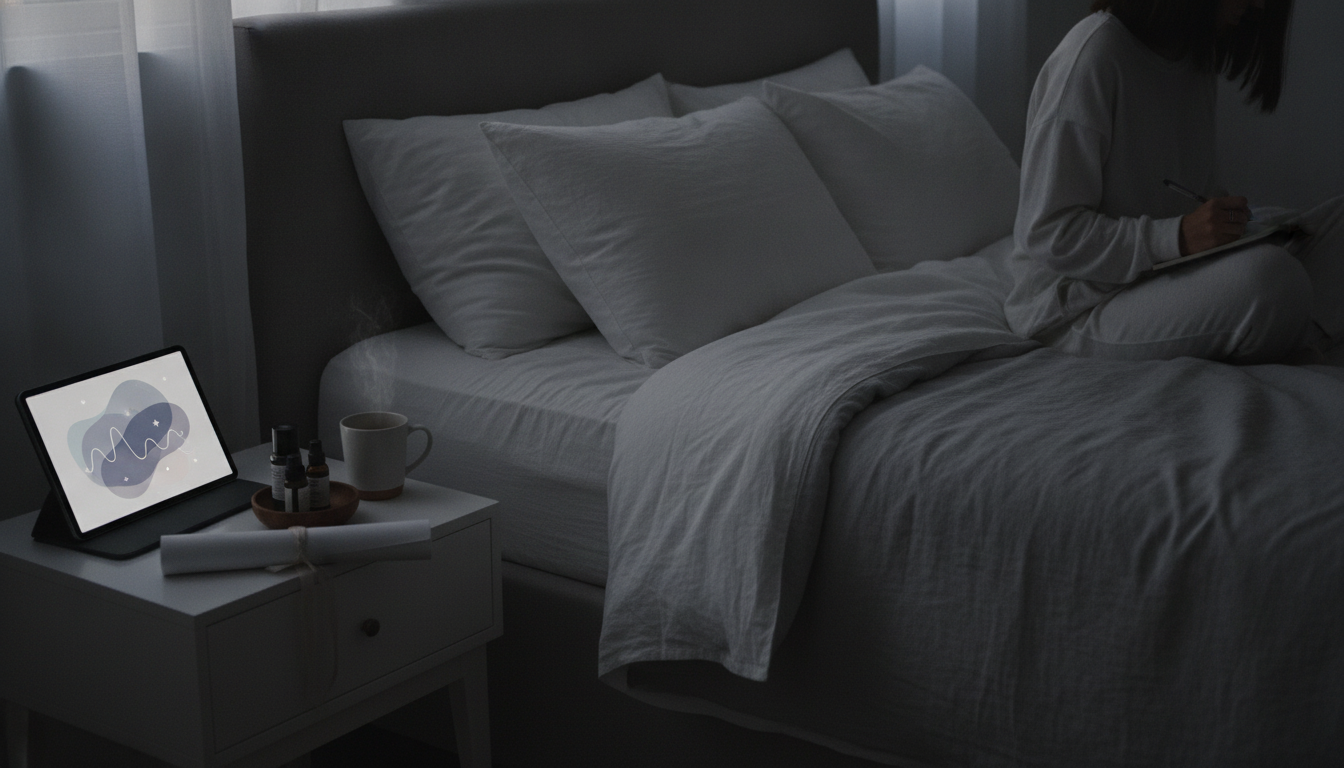
Restorative Nights: A Practical Deep-Sleep Checklist and Routine Guide
Deep, restorative sleep is less about “perfect habits” and more about a repeatable system: consistent timing, a wind-down that matches the body’s biology, and a bedroom setup that reduces friction. The guide and checklist below translate widely shared, real-world tactics into a clear plan that can be used nightly, adjusted weekly, and tracked without overcomplicating bedtime.
What “restorative” sleep looks like
Sleep quality usually shows up in three places: how quickly you fall asleep, how often you wake up (and for how long), and how you feel the next morning. Restorative sleep isn’t always “sleeping through the night” with zero awakenings—it’s more often a night where you drift back to sleep easily and wake up with steady energy.
Deep sleep tends to cluster earlier in the night, which is one reason protecting the first half of your sleep window can matter more than micromanaging every detail. A stable rhythm (especially a stable wake time) helps your body anticipate sleep and stack more of the night in your favor.
Common red flags that suggest the routine needs adjustment include frequent awakenings, unrefreshing sleep despite enough hours in bed, heavy grogginess that lasts well into the morning, or feeling reliant on stimulants just to function.
A practical starting goal: lock in a consistent wake time first. Once that’s steady for a week, adjust bedtime gradually (15–30 minutes at a time) until your total sleep window is sustainable and mornings improve.
A simple framework: stabilize, soften, support
1) Stabilize timing
Anchor your wake time—even on weekends. Big swings can “reset” the body clock and make Sunday night feel like a jet lag problem. If you want to sleep in, keep it modest and short, and aim for light exposure soon after you wake.
2) Soften stimulation
Late-day caffeine, bright light at night, and intense evening exercise can all delay sleepiness. That doesn’t mean you need a perfect day; it means you choose a consistent cutoff that works most days. For many people, caffeine after early afternoon is the first lever to pull.
3) Support recovery
Track only a few signals for 2 weeks
Nightly checklist (printable-style) with timing targets
| Time window | Action | Why it helps | Quick notes |
|---|---|---|---|
| 6–10 hours before bed | Set caffeine cutoff | Reduces delayed sleep onset and lighter sleep | Most people do best cutting caffeine by early afternoon |
| 3–4 hours before bed | Finish heavy meals and alcohol | Less reflux, fewer awakenings, steadier sleep stages | If hungry later: small snack, protein + fiber |
| 2–3 hours before bed | Dim lights and lower screen brightness | Supports natural melatonin timing | Use warm lighting; avoid overhead bright LEDs |
| 60–90 minutes before bed | Wind-down routine (same sequence) | Conditions sleepiness and reduces racing thoughts | Example: shower → read → stretch → lights out |
| At lights out | Bedroom: cool, dark, quiet | Improves continuity and deep sleep opportunity | Consider fan/white noise, blackout shades, eye mask |
| If awake >20 minutes | Get up briefly, low light, calm activity | Prevents bed from becoming a “wake” cue | Return when sleepy; keep it boring |
Bedroom setup that removes friction
If lighting is a recurring issue (too bright in the evening, harsh overhead glare), a fixture that supports a warmer, calmer ambiance can help the whole routine feel easier to follow, such as the Heart Shaped Crystal Ceiling Light in a dim-friendly, evening setup.
Daytime levers that make nights easier
- Morning light exposure: Get outdoor light soon after waking when possible. It helps set the body clock so sleepiness arrives earlier at night. The CDC’s sleep resources highlight the role of healthy sleep habits and consistent schedules.
- Exercise: Movement supports sleep depth and mood. If intense evening workouts leave you keyed up, shift intensity earlier or keep evenings lighter (walking, mobility work).
- Naps: If you nap, keep it short and earlier in the day to avoid stealing sleep pressure from bedtime.
- Stress load: Schedule a brief “worry window” earlier in the evening: list concerns and one next action for each. This reduces the odds that your brain tries to problem-solve at lights out.
For broader guidance on sleep health and sleep loss, the National Heart, Lung, and Blood Institute offers an accessible overview of sleep deprivation and its impacts.
Troubleshooting: match the fix to the pattern
Pattern: can’t fall asleep
Pattern: waking at 3–4 a.m.
Pattern: unrefreshed despite enough time in bed
Prioritize regularity and consider whether the sleep window is too long (excess time in bed can increase wakefulness). If there’s loud snoring or breathing pauses, consider evaluation for sleep apnea; the American Academy of Sleep Medicine’s Sleep Education is a helpful starting point.
Pattern: racing thoughts
When to get extra help
Sleep checklist eBook: a ready-to-use routine template
For a ready-to-use format, see the Sleep Checklist eBook PDF for restorative nights.
FAQ
How long does it take to notice deeper, more restorative sleep after changing a routine?
Give most changes 7–14 days with a consistent wake time. Look for fewer awakenings, faster sleep onset, and better morning energy rather than expecting “perfect” nights.
What should happen if sleep doesn’t come after going to bed?
Avoid forcing it. If you’re awake for a while, get up briefly in low light for a calm, boring activity, then return to bed when you feel sleepy to protect the bed-sleep association.
Is it better to focus on going to bed earlier or waking up at the same time?
A stable wake time is typically the strongest anchor for the body clock. Once wake time is consistent, move bedtime gradually to match real sleepiness while maintaining enough total sleep.
















Leave a comment