-
Shop
- Adidas
- Advanced Technologies
- AI Skills Mastery 2026 Collection
- Best-Sellers
- Calvin Klein
- Car Accessories
- Confidence
- Dating & Social Skills
- Digital Resources
- AI & Technology
- AI Skills
- Beauty
- Budgeting & Saving
- Car Buying & Ownership
- Cozy Feast Collection
- Electronics & Technology
- Entrepreneurship & Business Growth
- Financial Education
- Financial Independence
- Financial Mindset & Psychology
- Goal Setting
- Hobbies
- Home Styling & Organization
- Kitchen & Recipes
- Leadership
- Mindset
- Online Business
- Parenting & Child Development
- Personal Style & Fashion
- Pet Lifestyle & Wellness
- Positive Thinking
- Sleep Improvement
- Stress Management & Relaxation
- Travel Planning
- Yoga & Fitness
- Yoga & Mind-Body Practices
- Education & Learning
- Family & Parenting
- Fashion
- Alexander McQueen
- Bags
- Bags & Wallets
- Balenciaga
- Belts
- Blazers
- Bottega Veneta
- Brunello Cucinelli
- Burberry
- Chanel
- Chloé
- Dior
- Dolce & Gabbana
- Dresses
- Etro
- Fendi
- Gucci
- Hats & Hair Accessories
- Hoodies & Sweatshirts
- Jacquemus
- Jewelry
- Jil Sander
- Keychains
- Kiton
- Luggage
- Miu Miu
- Off-White
- Prada
- Rick Owens
- Saint Laurent
- Socks & Tights
- Sweaters & Cardigans
- The Row
- Tom Ford
- Tops & Shirts
- Valentino
- Valentino Garavani
- Versace
- Vivienne Westwood
- Watches
- Furniture
- Gadgets
- Health & Beauty
- Health & Wellness
- Home & Garden
- Kids & Babies
- Kitchen
- Lighting
- Patio, Lawn & Garden
- Personal Growth
- Pet Care
- Pet Supplies
- Pets
- Shoes
- Smart Home Living Guides
- Sport & Outdoors
- Stress Relief & Relaxation
- TikTok Growth & Monetization Mastery
- Travel
- Travel & Adventure
- Wealth
- Wellness
- YouTube Shorts Best-Sellers
- Popular
- Best deals
How to Treat Blackheads Safely for Clearer, Calmer Skin
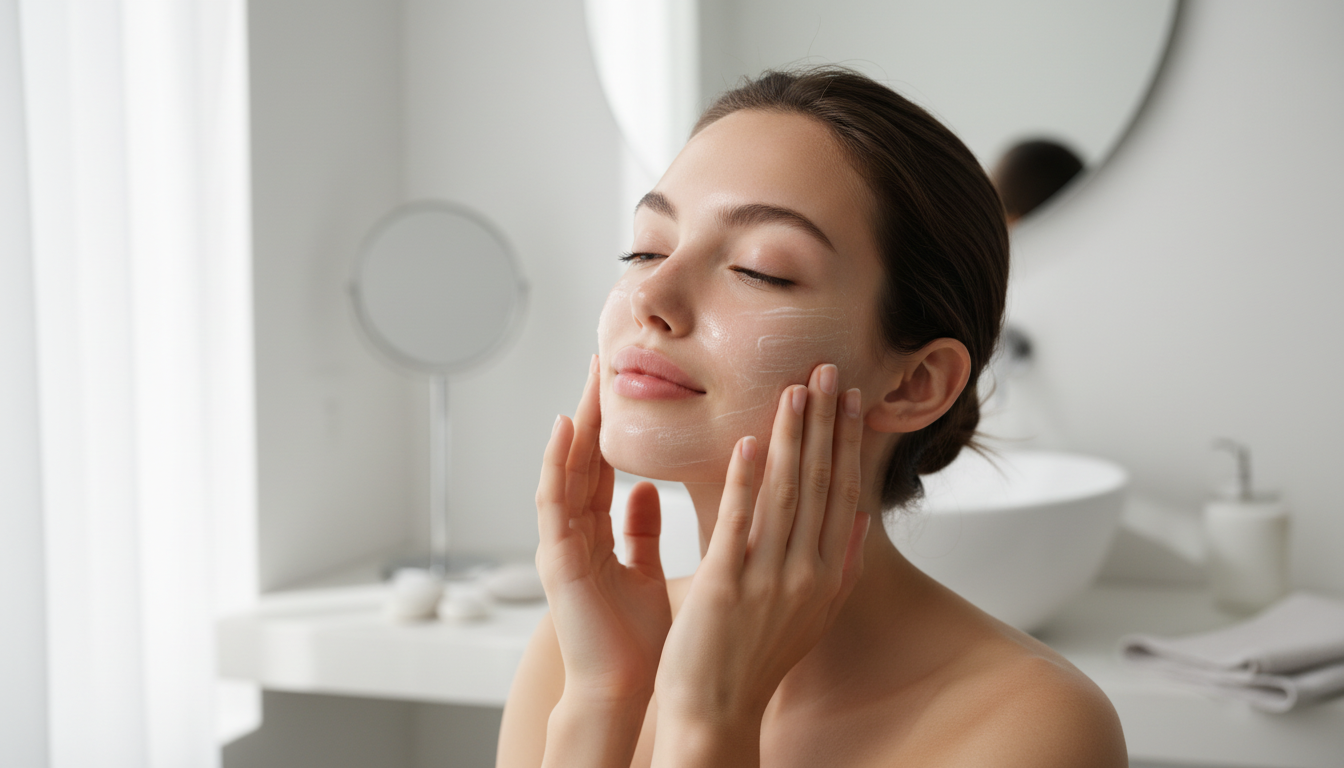
Clear Pores, Calm Skin: A Gentle Guide to Treating Blackheads Safely
Blackheads are common, stubborn, and often misunderstood. With the right mix of gentle exfoliation, smart cleansing, and a few habits that protect the skin barrier, pores can look clearer without harsh scrubbing, squeezing, or irritation. The goal isn’t to “erase” pores (they’re a normal part of skin), but to reduce the buildup inside them so they appear smoother and less noticeable over time.
What Blackheads Really Are (and Why They Look Dark)
Blackheads are open comedones—pores clogged with a mix of oil (sebum) and dead skin cells. Because the pore opening stays exposed, the material at the top reacts with air.
The dark color isn’t “dirt trapped in the pores.” It’s oxidation: the plug darkens when it’s exposed to oxygen, similar to how a cut apple browns.
They often show up on the nose, chin, forehead, and upper cheeks, but can also appear on the chest and back—especially with sweat, friction, and heavier body products.
One key expectation: pores don’t “open and close.” They can, however, look smaller when congestion is reduced and the surrounding skin is calm and well-hydrated.
Why Blackheads Keep Coming Back
Blackheads tend to recur because the conditions that create them can be ongoing:
- Excess oil and sticky sebum: Some skin types naturally produce more oil, and thicker sebum can cling to dead skin cells more easily.
- Slower shedding: When dead skin cells don’t shed evenly, they’re more likely to collect in the pore and form a plug.
- Product buildup: For some people, overly heavy, occlusive, or comedogenic products can contribute to congestion—especially if they’re layered daily.
- Barrier damage from “overdoing it”: Over-cleansing, strong soaps, and frequent harsh exfoliation can disrupt the skin barrier, leading to irritation and sometimes even more oil as skin tries to compensate.
- Hormones and occlusion: Hormonal shifts can increase oil production, while sweat, tight masks, helmets, and chin straps can trap heat and friction, worsening congestion.
Gentle, Evidence-Based Ingredients That Help
A few well-studied ingredients can reduce blackheads without the collateral damage of aggressive scrubs:
Salicylic acid (BHA)
BHA is oil-soluble, meaning it can travel into the pore lining to help loosen and clear congestion. Start slowly (once weekly, then increase as tolerated) to avoid dryness or flaking.
Adapalene (topical retinoid)
Adapalene helps normalize cell turnover so dead skin cells are less likely to form plugs. It works best with consistent use and daily sunscreen, since irritation can make skin more sun-sensitive.
Benzoyl peroxide
Benzoyl peroxide is most helpful for inflamed acne because it targets acne-causing bacteria. If blackheads are the main concern, it can still be useful when breakouts accompany congestion, but it can be drying—use carefully.
Azelaic acid
Azelaic acid supports smoother texture and calmer-looking redness. It’s often a solid option for sensitive skin types that react to stronger exfoliants.
Clay masks
Clay can temporarily absorb oil and reduce shine. Keep it occasional (for example, once weekly) and avoid leaving it on until it cracks and feels painfully tight.
For more background on acne and comedones, these resources are helpful: American Academy of Dermatology Association, Mayo Clinic, and the NHS.
A Simple Routine for Clearer Pores Without Irritation
A blackhead routine works best when it’s boring, consistent, and barrier-friendly. Keep your basics steady, then add one active at a time.
Morning
- Cleanse gently: Use a mild cleanser, or rinse with water if you’re very dry.
- Moisturize: Choose a lightweight moisturizer to support the barrier (even oily skin can be dehydrated).
- Sunscreen SPF 30+: Broad-spectrum daily sunscreen helps prevent irritation and supports retinoid use.
Evening
- Cleanse: Remove sunscreen and makeup thoroughly without scrubbing.
- Apply one active: Choose either BHA or adapalene based on tolerance and goals.
- Moisturize: This reduces dryness and helps you stay consistent.
Start low and slow (so you don’t sabotage your barrier)
- Introduce one new active and use it consistently for 2–3 weeks before adding another.
- If dryness shows up, reduce frequency, add more moisturizer, and avoid stacking multiple strong actives in the same routine.
- Consistency matters more than intensity; visible changes often take several weeks.
Sample weekly schedule for introducing blackhead treatments
| Skin tolerance | BHA (salicylic acid) | Adapalene (retinoid) | Notes |
|---|---|---|---|
| Sensitive or very dry | 1 night/week | 0–1 night/week (alternate with BHA if used) | Prioritize moisturizer; stop if stinging persists |
| Normal/combination | 2 nights/week | 2 nights/week (on different nights) | Increase slowly; avoid using both on the same night at first |
| Oily/resilient | 3 nights/week | 2–3 nights/week (alternate nights) | Add a rest night if peeling or redness develops |
What to Avoid: Common Mistakes That Make Blackheads Worse
When Professional Help Makes Sense
A Calm-Skin Companion for Staying Consistent
If you want a simple reference you can follow and revisit, consider Clear Pores, Calm Skin: A Gentle Guide on how to treat blackheads safely for Clearer, Happier Skin.
For keeping your routine organized on busy days (especially if you’re commuting or traveling), an everyday carry option like the Elegant Casual Leather Tote Bag for Everyday Style can help you keep essentials in one place—sunscreen included.
FAQ
Are blackheads dirt in the pores?
No. Blackheads are an oxidized mix of sebum and dead skin cells in an open comedone; cleansing helps remove excess oil and buildup, but the dark color isn’t trapped dirt.
Is it safe to squeeze blackheads at home?
Usually not. Squeezing can increase inflammation, cause broken capillaries and scarring, and leave long-lasting dark marks; gentler options like salicylic acid or adapalene are safer, and extractions are best done by trained professionals.
How long does it take to see improvement with salicylic acid or a retinoid?
Early changes can appear in about 2–4 weeks, but clearer-looking pores often take 6–12 weeks. Consistent use, moisturizing, and avoiding irritation make results more reliable.
















Leave a comment