-
Shop
- Adidas
- Advanced Technologies
- AI Skills Mastery 2026 Collection
- Best-Sellers
- Calvin Klein
- Car Accessories
- Confidence
- Dating & Social Skills
- Digital Resources
- AI & Technology
- AI Skills
- Beauty
- Budgeting & Saving
- Car Buying & Ownership
- Cozy Feast Collection
- Electronics & Technology
- Entrepreneurship & Business Growth
- Financial Education
- Financial Independence
- Financial Mindset & Psychology
- Goal Setting
- Hobbies
- Home Styling & Organization
- Kitchen & Recipes
- Leadership
- Mindset
- Online Business
- Parenting & Child Development
- Personal Style & Fashion
- Pet Lifestyle & Wellness
- Positive Thinking
- Sleep Improvement
- Stress Management & Relaxation
- Travel Planning
- Yoga & Fitness
- Yoga & Mind-Body Practices
- Education & Learning
- Family & Parenting
- Fashion
- Alexander McQueen
- Bags
- Bags & Wallets
- Balenciaga
- Belts
- Blazers
- Bottega Veneta
- Brunello Cucinelli
- Burberry
- Chanel
- Chloé
- Dior
- Dolce & Gabbana
- Dresses
- Etro
- Fendi
- Gucci
- Hats & Hair Accessories
- Hoodies & Sweatshirts
- Jacquemus
- Jewelry
- Jil Sander
- Keychains
- Kiton
- Luggage
- Miu Miu
- Off-White
- Prada
- Rick Owens
- Saint Laurent
- Socks & Tights
- Sweaters & Cardigans
- The Row
- Tom Ford
- Tops & Shirts
- Valentino
- Valentino Garavani
- Versace
- Vivienne Westwood
- Watches
- Furniture
- Gadgets
- Health & Beauty
- Health & Wellness
- Home & Garden
- Kids & Babies
- Kitchen
- Lighting
- Patio, Lawn & Garden
- Personal Growth
- Pet Care
- Pet Supplies
- Pets
- Shoes
- Smart Home Living Guides
- Sport & Outdoors
- Stress Relief & Relaxation
- TikTok Growth & Monetization Mastery
- Travel
- Travel & Adventure
- Wealth
- Wellness
- YouTube Shorts Best-Sellers
- Popular
- Best deals
Apartment Pet Checklist: Find Your Best Small-Space Match
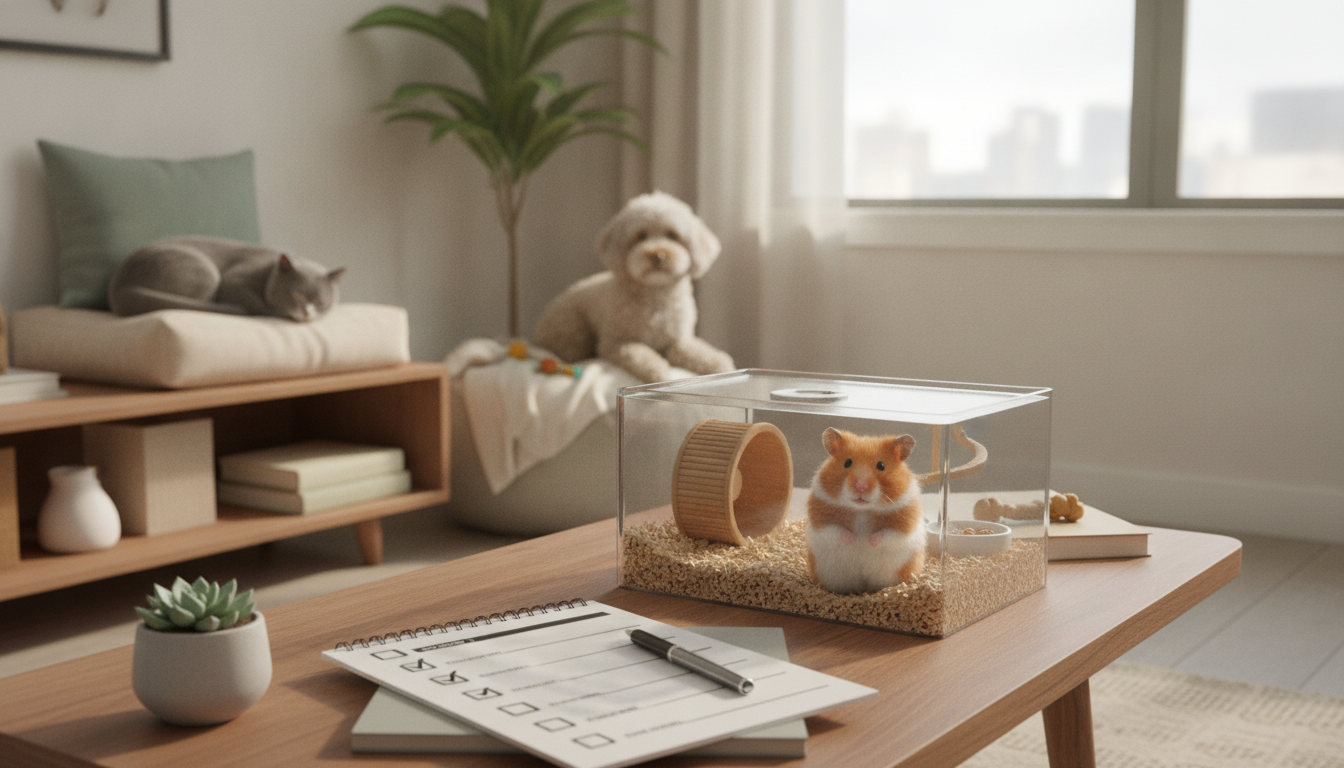
The Small-Space Pet Matchmaker Checklist: Find a Pet That Fits Apartment Living
Apartment life can be a great home for the right pet—and stressful for the wrong match. The goal isn’t to find a “perfect” pet; it’s to find a realistic fit for your building rules, your routine, and the daily environment of small-space living. Use the checklist below to compare noise, space needs, time, budget, and logistics so your future pet’s needs align with what your apartment can consistently provide.
Start With the Non‑Negotiables: Building Rules and Daily Reality
Before falling in love at a meet-and-greet, lock down the practical constraints that can end an adoption plan overnight.
- Confirm lease and HOA rules: species restrictions, weight limits, breed restrictions, and maximum number of pets.
- Check required paperwork: pet addendum, vaccination records, renter’s insurance requirements, and any microchip policies.
- Map the daily schedule: typical time away from home, commute days, and how often breaks or walks are truly realistic.
- Identify noise sensitivity: thin walls, shared hallways, neighbor proximity, and quiet hours.
- Clarify household constraints: allergies, mobility issues, kids, existing pets, and visitor comfort.
For general pet care planning and responsible ownership basics, see resources from the American Veterinary Medical Association (AVMA) and the ASPCA.
Measure Your Space Like a Matchmaker
A small apartment can work beautifully when you plan “zones” and traffic flow instead of focusing on total square footage.
- List usable floor space (not total): note clear walking lanes, open areas, and rooms that can be closed off.
- Identify pet zones: feeding station, litter or potty area, sleeping spot, and an enrichment corner.
- Assess vertical options: shelves, cat trees, window perches, and safe climbing areas for pets who benefit from height.
- Check environmental factors: sunlight, temperature swings, ventilation, and safe window/balcony screens.
- Note elevator vs. stairs: affects daily potty trips, senior pets, and emergency carry-outs.
Apartment Fit Snapshot: Space, Noise, Time, and Routine
| Factor | Low-Impact Fit Looks Like | High-Risk Signs | Quick Fixes |
|---|---|---|---|
| Noise | Generally quiet vocal habits; calm around hallway sounds | Frequent barking/howling; strong startle response | Sound dampening rugs/curtains; training plan; white noise |
| Exercise needs | Short daily activity bursts; indoor play works | High endurance needs; boredom leads to destruction | Puzzle feeders; structured walks; play schedule |
| Potty logistics | Litter-trained/contained potty options | Needs long outdoor breaks; limited elevator access | Indoor potty systems; consistent walk windows |
| Space use | Comfortable with defined zones; uses vertical space | Paces constantly; needs large roaming area | Create zones; add climbing/perches; rotate enrichment |
| Grooming/shed | Manageable shedding and cleaning routine | High dander/shedding in allergy-sensitive home | Air purifier; brushing routine; washable covers |
Choose a Pet Type by Lifestyle Fit (Not Just Looks)
Apartment success is more about temperament, routine, and enrichment than the trendiest breed or the smallest body size.
- Cats: often strong apartment fits with vertical space, scratch options, and daily play; choose energy level and sociability that match your home.
- Small dogs: can do well with consistent potty breaks and training; prioritize calm temperament and realistic exercise needs over “small equals easy.”
- Senior pets: frequently overlooked apartment stars—often calmer, with known personalities and established routines.
- Small mammals (rabbits, guinea pigs, rats, hamsters): great for limited space when housing and enrichment are appropriate; plan for cleaning and odor control.
- Birds: consider vocal volume and neighbor tolerance; enrichment and daily interaction matter as much as cage size.
- Fish/reptiles: quiet and space-efficient, but require precise habitat setup, stable temperatures, and consistent maintenance.
Match Temperament to Your Apartment: The Quiet, Calm, and Confident Test
Two pets of the same species can live very differently in a small space. Use behavior signals to predict how daily apartment life will feel.
- Recovery speed: after a door slam or hallway footsteps, does the animal settle quickly or stay on edge?
- Handling tolerance: can they accept gentle touch, grooming, and (when appropriate) being picked up without panic?
- Independence vs. clinginess: small spaces can intensify separation stress if the pet can’t relax alone.
- Play style: intense chasing, destructive chewing, or high prey drive may need extra outlets and management.
- History: ask about apartment living experience, foster notes, shelter assessments, and known triggers.
The Apartment Readiness Checklist: Supplies, Setup, and First Week Plan
Your first week sets the tone. A calm, structured start reduces accidents, noise spikes, and stress behaviors.
Common Apartment Challenges—and How to Prevent Them
Use a Printable Checklist to Make the Final Match
Recommended products (in stock)
- Small-Space Pet Matchmaker Checklist (printable apartment pet guide)
- Elegant Casual Leather Tote Bag for Everyday Style (handy for carrying treats, paperwork, or small pet essentials on the go)
FAQ
What is the best pet for a small apartment?
The best fit depends on your noise tolerance, schedule, and enrichment commitment, not just the pet’s size. Calm adult cats, small dogs with realistic exercise needs, many senior pets, and certain small mammals can thrive when their daily routine and stimulation needs are met.
How can barking complaints be prevented in an apartment?
Prevent issues by meeting exercise and enrichment needs, training calm behaviors, and reducing triggers like hallway noise with management and routine. Sound-softening materials can help, and a certified trainer or behavior professional is worth involving early if barking escalates.
How much daily time should be set aside for an apartment pet?
Dogs typically need multiple potty breaks plus exercise and short training sessions daily, while cats do best with at least one or two focused play/enrichment windows. Small mammals also require daily habitat checks, feeding, cleaning routines, and interaction—consistency matters more than occasional long sessions.















Leave a comment