-
Shop
- Adidas
- Advanced Technologies
- AI Skills Mastery 2026 Collection
- Best-Sellers
- Calvin Klein
- Car Accessories
- Confidence
- Dating & Social Skills
- Digital Resources
- AI & Technology
- AI Skills
- Beauty
- Budgeting & Saving
- Car Buying & Ownership
- Cozy Feast Collection
- Electronics & Technology
- Entrepreneurship & Business Growth
- Financial Education
- Financial Independence
- Financial Mindset & Psychology
- Goal Setting
- Hobbies
- Home Styling & Organization
- Kitchen & Recipes
- Leadership
- Mindset
- Online Business
- Parenting & Child Development
- Personal Style & Fashion
- Pet Lifestyle & Wellness
- Positive Thinking
- Sleep Improvement
- Stress Management & Relaxation
- Travel Planning
- Yoga & Fitness
- Yoga & Mind-Body Practices
- Education & Learning
- Family & Parenting
- Fashion
- Alexander McQueen
- Bags
- Bags & Wallets
- Balenciaga
- Belts
- Blazers
- Bottega Veneta
- Brunello Cucinelli
- Burberry
- Chanel
- Chloé
- Dior
- Dolce & Gabbana
- Dresses
- Etro
- Fendi
- Gucci
- Hats & Hair Accessories
- Hoodies & Sweatshirts
- Jacquemus
- Jewelry
- Jil Sander
- Keychains
- Kiton
- Luggage
- Miu Miu
- Off-White
- Prada
- Rick Owens
- Saint Laurent
- Socks & Tights
- Sweaters & Cardigans
- The Row
- Tom Ford
- Tops & Shirts
- Valentino
- Valentino Garavani
- Versace
- Vivienne Westwood
- Watches
- Furniture
- Gadgets
- Health & Beauty
- Health & Wellness
- Home & Garden
- Kids & Babies
- Kitchen
- Lighting
- Patio, Lawn & Garden
- Personal Growth
- Pet Care
- Pet Supplies
- Pets
- Shoes
- Smart Home Living Guides
- Sport & Outdoors
- Stress Relief & Relaxation
- TikTok Growth & Monetization Mastery
- Travel
- Travel & Adventure
- Wealth
- Wellness
- YouTube Shorts Best-Sellers
- Popular
- Best deals
Heated Foot Massager with Remote & Deep-Kneading Relief
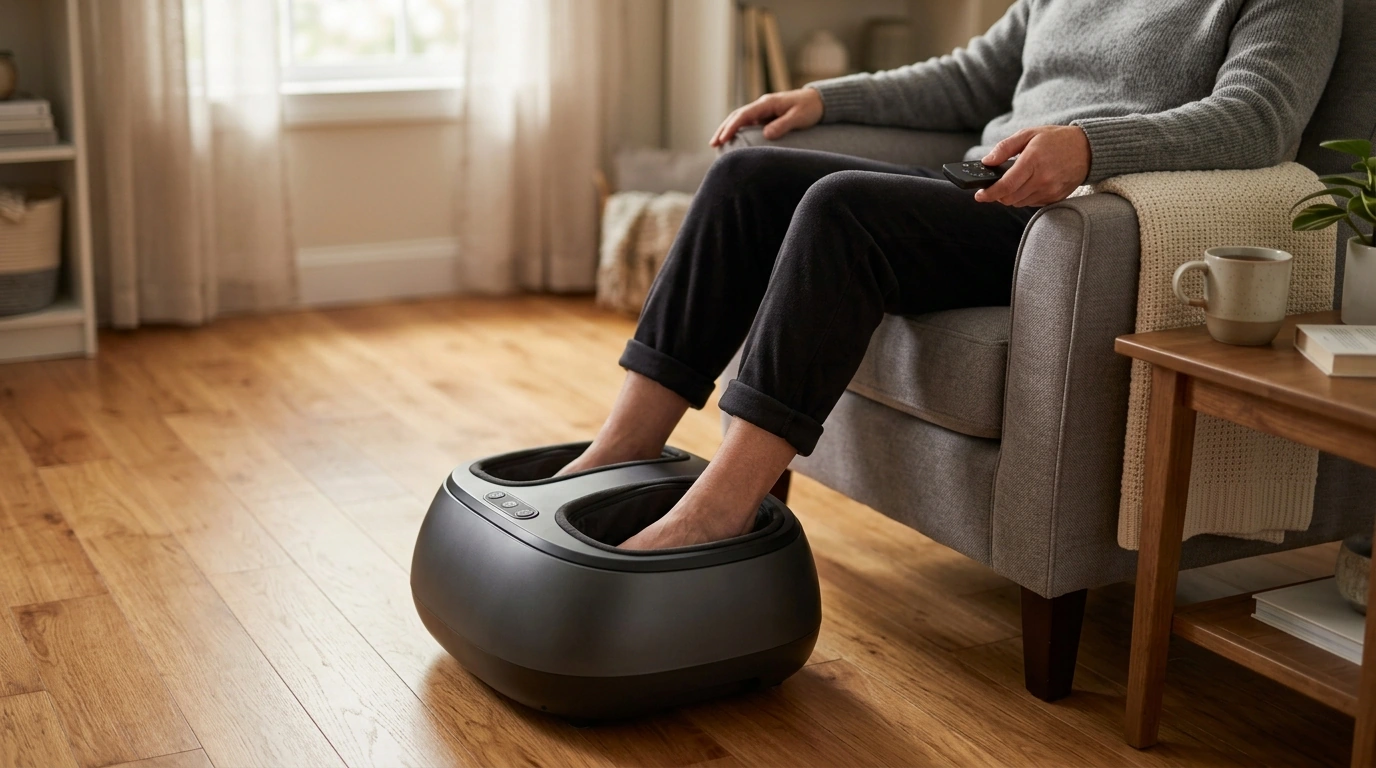
Electric Heating Foot Massager with Remote & Deep Kneading Therapy
Long days on hard floors, workouts, or constant sitting can leave feet feeling tight and tired. A heated foot massager that combines deep kneading with easy remote control offers a simple way to unwind at home—warming muscles, easing tension, and delivering a consistent routine without needing frequent adjustments.
What This Foot Massager Does (and How It Feels)
A deep-kneading foot massager is designed to create a “worked-in” sensation—closer to hands-on pressure than light vibration. The goal is to help the soles and arches feel looser, especially when feet feel overworked from standing, walking, or training.
- Deep kneading action: Targets common tension zones across the soles and arches for a firm, rolling massage feel.
- Built-in heat: Adds gentle warmth that can help muscles relax and make kneading feel more comfortable—especially in colder rooms. For a quick overview of how warmth can support relaxation, see Mayo Clinic’s guide to heat therapy.
- Remote control convenience: Makes it easier to change modes while seated, reducing bending and interruptions.
- Best use position: Most people get the most comfortable pressure while sitting with feet placed evenly, with body weight relaxed but steady rather than “pressing down.”
Key Features to Look For in Daily Use
Daily use is where small design details matter most. A massager can feel great for five minutes in a demo, but comfort and usability are what make it part of a real routine.
- Heat control: Look for warmth that feels even and soothing—supporting the kneading instead of overpowering it.
- Kneading intensity and modes: The ability to switch between gentler and stronger sessions helps if you’re sensitive one day and need deeper work the next.
- Remote ergonomics: Clear buttons and responsive adjustments are especially helpful if you prefer not to reach down repeatedly.
- Session timer and auto shutoff: Helps prevent overuse and keeps relaxation routines consistent.
- Footwell comfort and fit: Enough room for toes, plus a stable base that stays put on your floor.
| Setting | Best for | Tips for comfort |
|---|---|---|
| Heat + gentle kneading | End-of-day relaxation, cold feet | Wear thin socks if sensitive to direct pressure |
| Heat + deep kneading | Tight arches, post-activity soreness | Start with shorter sessions and increase gradually |
| Kneading only | Warmer weather or heat sensitivity | Use after a warm shower for a similar relaxing effect |
| Short session (10–15 min) | Quick reset between tasks | Keep ankles supported to reduce strain |
| Longer session (15–30 min, if available) | Wind-down routine before bed | Avoid pressing down; let the device do the work |
Who It’s Great For
A heated deep-kneading massager fits a wide range of routines, but it’s especially satisfying for people who like firm pressure and want low-effort adjustments.
- Long hours on your feet: Great for people who stand or walk for work and want an at-home recovery ritual.
- Tight arches and general fatigue: Ideal if you enjoy kneading-style pressure that focuses on the bottom of the foot.
- Hands-free relaxation: Remote operation helps anyone who prefers minimal effort changes while staying seated.
- Reliable gifting: A practical comfort gift for home offices, active schedules, and caregiving roles.
How to Use It for the Best Results
A consistent, comfortable setup makes the biggest difference. The goal is to feel relief—not to “tough it out” through uncomfortable pressure.
- Choose a stable spot: Set the unit on a flat surface where knees and hips feel supported (a couch or sturdy chair works well).
- Start low, then build: Begin with lower intensity; once feet warm up, pressure often feels smoother and more tolerable.
- Keep feet centered: Position feet evenly to avoid uneven pressure on toes, ankles, or the outer edge of the foot.
- Go for consistency: A short daily session often feels better than occasional extra-long sessions.
- Pair with simple habits: Hydrate, add gentle calf stretches, and pause a moment before standing up if you feel deeply relaxed. For broader context on massage and relaxation benefits, see Cleveland Clinic’s overview of massage therapy.
Safety, Comfort, and When to Check With a Clinician
Heat and pressure are meant to feel soothing. If something feels wrong, adjust or stop. When in doubt—especially with medical concerns—professional guidance is the safest path.
- Skip broken skin or acute injuries: Avoid use on open wounds, acute sprains, or areas with major swelling unless cleared by a clinician.
- Use caution with reduced sensation: If numbness or neuropathy is present, heat and pressure should be used carefully to help prevent irritation.
- Firm is fine; sharp pain is not: Deep kneading can feel intense, but it shouldn’t cause sharp pain or lingering soreness.
- Keep placement safe: Keep cords out of walkways, and place the unit where it won’t be bumped or tipped.
- Follow guidance: Stick to manufacturer recommendations for session length and heat use, especially for older adults or circulation concerns.
Care and Maintenance
Shop In-Stock Favorites
- Electric Heating Foot Massager with Remote & Deep Kneading Therapy
- Elegant Casual Leather Tote Bag for Everyday Style
- Heart Shaped Crystal Ceiling Light
A Simple At-Home Upgrade for Foot Comfort
FAQ
How long should a foot massage session last?
Many people start with 10–15 minutes and increase gradually if it feels comfortable. Follow your device’s recommended session length, and stick with shorter sessions if your feet are sensitive.
Can the heat be used every day?
For most people, daily heat is typically fine when it stays at a comfortable level and within the recommended time limits. If you have reduced sensation, circulation concerns, or skin irritation, use heat cautiously and consider checking with a clinician.
Is deep kneading supposed to hurt?
Deep kneading can feel firm and intense, but it shouldn’t feel sharp or cause lingering soreness. If it’s too strong, lower the intensity, wear thin socks, or shorten the session.













Leave a comment