-
Shop
- Adidas
- Advanced Technologies
- AI Skills Mastery 2026 Collection
- Best-Sellers
- Calvin Klein
- Car Accessories
- Confidence
- Dating & Social Skills
- Digital Resources
- AI & Technology
- AI Skills
- Beauty
- Budgeting & Saving
- Car Buying & Ownership
- Cozy Feast Collection
- Electronics & Technology
- Entrepreneurship & Business Growth
- Financial Education
- Financial Independence
- Financial Mindset & Psychology
- Goal Setting
- Hobbies
- Home Styling & Organization
- Kitchen & Recipes
- Leadership
- Mindset
- Online Business
- Parenting & Child Development
- Personal Style & Fashion
- Pet Lifestyle & Wellness
- Positive Thinking
- Sleep Improvement
- Stress Management & Relaxation
- Travel Planning
- Yoga & Fitness
- Yoga & Mind-Body Practices
- Education & Learning
- Family & Parenting
- Fashion
- Alexander McQueen
- Bags
- Bags & Wallets
- Balenciaga
- Belts
- Blazers
- Bottega Veneta
- Brunello Cucinelli
- Burberry
- Chanel
- Chloé
- Dior
- Dolce & Gabbana
- Dresses
- Etro
- Fendi
- Gucci
- Hats & Hair Accessories
- Hoodies & Sweatshirts
- Jacquemus
- Jewelry
- Jil Sander
- Keychains
- Kiton
- Luggage
- Miu Miu
- Off-White
- Prada
- Rick Owens
- Saint Laurent
- Socks & Tights
- Sweaters & Cardigans
- The Row
- Tom Ford
- Tops & Shirts
- Valentino
- Valentino Garavani
- Versace
- Vivienne Westwood
- Watches
- Furniture
- Gadgets
- Health & Beauty
- Health & Wellness
- Home & Garden
- Kids & Babies
- Kitchen
- Lighting
- Patio, Lawn & Garden
- Personal Growth
- Pet Care
- Pet Supplies
- Pets
- Shoes
- Smart Home Living Guides
- Sport & Outdoors
- Stress Relief & Relaxation
- TikTok Growth & Monetization Mastery
- Travel
- Travel & Adventure
- Wealth
- Wellness
- YouTube Shorts Best-Sellers
- Popular
- Best deals
Advanced Robotic Cleaner for Inground Pools: Spotless Care
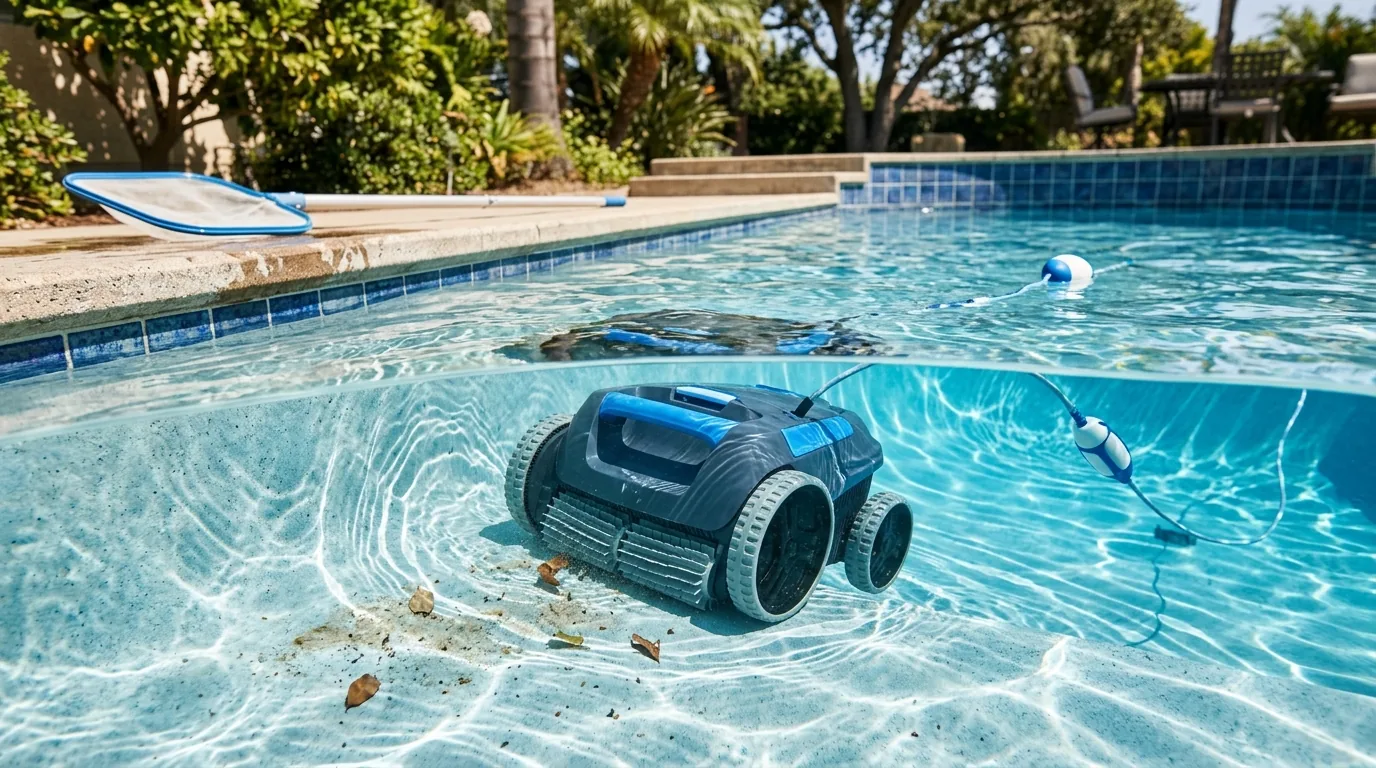
Efficient Inground Pool Robotic Cleaner: Advanced Vacuuming for a Spotless Pool
Keeping an inground pool clear can feel like a constant loop: skim, brush, vacuum, repeat—especially when debris collects on floors, walls, and along the waterline. A robotic cleaner takes over the most time-consuming parts by scrubbing and vacuuming on its own, helping maintain consistent water clarity with less daily effort. This guide covers what an advanced robotic pool vacuum does, where it shines, how to match it to your pool, and how to keep it performing through a full swim season.
What a Robotic Pool Cleaner Does (and Why It Changes Routine Care)
A robotic pool cleaner is built to handle the unglamorous work that often gets pushed to “tomorrow.” Because it runs independently, it can keep debris from settling and breaking down—one of the biggest contributors to dull water and extra chemical demand.
- Vacuuming and filtration: Captures leaves, sand, and fine debris before it degrades and clouds the pool.
- Surface coverage: Targets common trouble zones like the deep end, corners, and sometimes steps (depending on the cleaner’s design and your pool layout).
- Scrubbing action: Brushes help lift algae film and biofilm that can cling to surfaces when brushing is inconsistent.
- Reduced manual workload: Fewer full manual vacuum sessions after storms, heavy swim days, or yard work.
- More consistent appearance: Regular cycles help avoid the “clean on day one, dusty on day three” pattern.
Best Uses for an Advanced Inground Pool Vacuum
Robotic cleaners are helpful almost any time, but they’re especially valuable when debris pressure is high or maintenance time is limited.
- Daily maintenance in leaf-prone yards: Short, frequent runs help prevent large debris buildup on the floor.
- Fine debris seasons (pollen, dust, sand): Consistent vacuuming supports clearer water and can make your main filter’s job easier.
- Post-party cleanup: Collects tracked-in debris and particles that settle out after heavy swimmer load.
- After rain or wind: Removes grit and organic material before it stains surfaces or shifts water balance.
- For owners who travel: Scheduled cleaning reduces the chance of returning to visible debris on the pool floor.
How to Match a Robotic Cleaner to Pool Size, Shape, and Surface
The best results come from choosing a cleaner that fits the pool you actually have—not just the one shown in a product photo. Focus on pool dimensions, navigation needs, and what typically ends up in your water.
Quick fit check before buying
| Pool factor | What to confirm | Why it matters |
|---|---|---|
| Pool size | Cleaner is rated for the pool’s length/volume | Helps ensure full coverage without missed areas |
| Surface | Brushing method is appropriate for the finish | Improves cleaning without unnecessary wear |
| Typical debris | Can handle leaves vs. fine sand/pollen | Prevents frequent stops and improves water clarity |
| Features/ledges | Navigation and traction suit steps/shelves | Avoids repeated hang-ups and incomplete cycles |
| Storage & handling | Easy lift-out, drain, and store | Encourages consistent use and faster cleanup |
Using the Cleaner for Consistently Spotless Results
- Start with a skim: Removing floating leaves first reduces what sinks and shortens cleaning time.
- Run on a schedule: Short, regular cycles often outperform occasional marathon cleanups.
- Target high-debris days: Run after mowing, windy afternoons, or pool parties to prevent staining and sediment buildup.
- Brush trouble spots occasionally: Corners, waterline areas, and behind ladders may still need periodic attention depending on circulation.
- Pair with balanced water: Proper chemistry helps reduce scale and algae growth that can make debris stick. For safety basics, review guidance from the CDC’s Healthy Swimming resources and chemical handling info from the EPA.
Maintenance and Care That Keeps Performance High
- Empty and rinse filters after cycles: Better flow means better pickup and less strain on the motor.
- Check intake and brushes: Remove hair, stringy plant material, and twigs that can restrict movement or block suction.
- Inspect cable (if applicable): Straighten and store neatly to reduce tangles and extend service life.
- Clean the cleaner periodically: A gentle rinse helps prevent oils and sunscreen residue from building up.
- Off-season storage: Keep it dry and protected from direct sun and freezing temperatures to preserve seals and plastics. For broader pool care standards and resources, the Pool & Hot Tub Alliance (PHTA) is a helpful reference point.
Product Spotlight: Efficient Inground Pool Robotic Cleaner Advanced Vacuum
For inground pool owners who want repeatable cleaning cycles and a cleaner-looking floor with less manual vacuuming, the Efficient Inground Pool Robotic Cleaner Advanced Vacuum for Spotless Swimming Pools is designed for routine debris removal and day-to-day presentation.
At-a-glance details
| Item | Details |
|---|---|
| Product | Efficient Inground Pool Robotic Cleaner Advanced Vacuum for Spotless Swimming Pools |
| Price | 1080.99 USD |
| Availability | In stock |
Related Home Comfort Pick (Great for a Pool House or Outdoor Shower)
If your setup includes a pool house, rinse station, or outdoor shower, hot water on demand can make cleanup easier before and after swims. The Instant Wall-Mounted Electric Water Heater with LCD Display is an in-stock option that supports quick, convenient temperature control for wash-ups and gear rinsing.
FAQ
Can a robotic pool cleaner replace manual vacuuming completely?
It can handle most routine debris removal and ongoing scrubbing, which dramatically reduces manual vacuuming. Occasional touch-ups may still be needed for tight corners, steps, or unusual debris loads after storms.
How often should a robotic pool vacuum run for best clarity?
Many pools do well with several runs per week, with more frequent cycles during heavy leaf, pollen, or dust seasons. Weather, bather load, and nearby landscaping can all increase how often it should run.
What maintenance is needed after each cleaning cycle?
Empty and rinse the filter to keep suction strong, then check the intake and brush area for clogs like hair or small twigs. Store the unit neatly (and manage the cable if applicable) to reduce tangling and wear.













Leave a comment