-
Shop
- Adidas
- Advanced Technologies
- AI Skills Mastery 2026 Collection
- Best-Sellers
- Calvin Klein
- Car Accessories
- Confidence
- Dating & Social Skills
- Digital Resources
- AI & Technology
- AI Skills
- Beauty
- Budgeting & Saving
- Car Buying & Ownership
- Cozy Feast Collection
- Electronics & Technology
- Entrepreneurship & Business Growth
- Financial Education
- Financial Independence
- Financial Mindset & Psychology
- Goal Setting
- Hobbies
- Home Styling & Organization
- Kitchen & Recipes
- Leadership
- Mindset
- Online Business
- Parenting & Child Development
- Personal Style & Fashion
- Pet Lifestyle & Wellness
- Positive Thinking
- Sleep Improvement
- Stress Management & Relaxation
- Travel Planning
- Yoga & Fitness
- Yoga & Mind-Body Practices
- Education & Learning
- Family & Parenting
- Fashion
- Alexander McQueen
- Bags
- Bags & Wallets
- Balenciaga
- Belts
- Blazers
- Bottega Veneta
- Brunello Cucinelli
- Burberry
- Chanel
- Chloé
- Dior
- Dolce & Gabbana
- Dresses
- Etro
- Fendi
- Gucci
- Hats & Hair Accessories
- Hoodies & Sweatshirts
- Jacquemus
- Jewelry
- Jil Sander
- Keychains
- Kiton
- Luggage
- Miu Miu
- Off-White
- Prada
- Rick Owens
- Saint Laurent
- Socks & Tights
- Sweaters & Cardigans
- The Row
- Tom Ford
- Tops & Shirts
- Valentino
- Valentino Garavani
- Versace
- Vivienne Westwood
- Watches
- Furniture
- Gadgets
- Health & Beauty
- Health & Wellness
- Home & Garden
- Kids & Babies
- Kitchen
- Lighting
- Patio, Lawn & Garden
- Personal Growth
- Pet Care
- Pet Supplies
- Pets
- Shoes
- Smart Home Living Guides
- Sport & Outdoors
- Stress Relief & Relaxation
- TikTok Growth & Monetization Mastery
- Travel
- Travel & Adventure
- Wealth
- Wellness
- YouTube Shorts Best-Sellers
- Popular
- Best deals
Eat Like a Local Anywhere: Authentic Food Finder Checklist
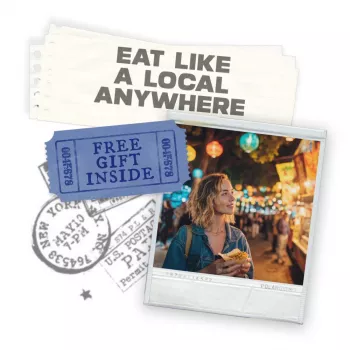
Eat Like a Local Anywhere: A Practical Checklist for Finding Authentic Food Worldwide
Great local meals are rarely found by accident. A simple, repeatable routine—used before arriving and then refined on the ground—helps uncover neighborhood favorites, seasonal specialties, and the places residents return to. Use the checklist below to quickly separate tourist traps from genuine local cooking in any city or small town.
What “authentic” looks like (and what it doesn’t)
“Authentic” usually means food that’s rooted in local habits—when people eat it, how they order it, which ingredients show up seasonally, and the little etiquette norms that make a place run smoothly. It doesn’t always mean the oldest restaurant, the cheapest plate, or a secret spot with no customers.
Reliable cues of everyday use include steady foot traffic at normal meal times, a simple menu that matches the region, and staff who can explain ingredients without a rehearsed sales pitch. On the other hand, be cautious with performance dining: aggressive touts, identical photo menus repeated across multiple restaurants, or menus that try to cover every cuisine at once.
Locals also love trendy places, so the goal isn’t “anti-popular.” It’s food that reflects the place—classic or modern—without feeling engineered only for visitors.
Quick Signals: Local Favorite vs. Tourist Trap
| Signal | Often a Local Favorite | Often a Tourist Trap |
|---|---|---|
| Menu length | Short, focused, seasonal items | Very long, covers many unrelated dishes |
| Ordering flow | Fast, practiced routine; regulars know what to do | Staff must persuade passersby; heavy upselling |
| Language on menu | Mostly local language, minimal translated slogans | Over-polished translations and buzzwords everywhere |
| Location | Side streets, markets, transit hubs, worker districts | Main monument corridors and high-rent “view” strips |
| Crowd pattern | Busy at local meal times; families, workers, students | Mostly visitors all day; few repeat customers |
Before the trip: build a short “food map” in 20 minutes
Skip the endless scrolling. A fast “food map” gives you options without locking you into one fragile plan.
- Pick 3–5 signature foods for the region: one everyday staple, one street snack, one dessert, and one drink.
- Scan local-language sources first: neighborhood Facebook groups, local newspaper food sections, and local community forums.
- Save a small list (8–12 places) rather than one “perfect” restaurant; variety beats perfection when schedules shift.
- Tag each save by type: breakfast, quick lunch, market stall, sit-down dinner, late-night, and coffee/tea.
- Add one “backup” near where you’ll be at peak hunger times (arrival area, day-trip hub, museum district).
If you like having a single page that keeps this tight, Eat Like a Local Anywhere – Travel Food Checklist is a pocket-ready way to track your food map (neighborhood, dish, timing, and what to order) without reopening ten apps when you’re tired.
On the ground: the 10-minute neighborhood recon
Once you arrive, use movement and observation to replace guesses with signals.
- Start with markets, transit nodes, and business districts where locals eat quickly and often.
- Walk two blocks away from the most photographed street; compare prices and the mix of customers.
- Follow the local meal clock: find where people queue at the usual lunch hour, not at mid-afternoon.
- Notice what’s on tables: if many people are eating the same dish, order that first.
- Check turnover: busy places that clear tables quickly often mean fresher prep for high-demand items.
How to ask locals without getting the “tourist answer”
Broad questions get broad answers. Specific questions get real habits.
- Ask for a situation: “Where do you go for dumplings after work?” beats “Where should I eat?”
- Ask two different people the same question (hotel staff + pharmacy clerk + taxi driver); overlap is a strong signal.
- Request one dish, not one restaurant: “What should I order here?” often unlocks the best item on the menu.
- Use a constraint: “Any place nearby that’s good for a quick lunch under 15 minutes?”
- If the recommendation comes with a warning (spicy, unusual texture, offal), it can be a sign it’s truly local.
Menus, ordering, and etiquette: small moves that unlock better food
For travel days when you’re juggling a jacket, water bottle, and market finds, a structured carry option helps keep the routine effortless. The Elegant Casual Leather Tote Bag for Everyday Style works as a clean, everyday bag for city walking and food stops without feeling like a bulky “tourist pack.”
Food safety and dietary needs without losing the local experience
For practical guidance, the World Health Organization’s Five Keys to Safer Food and the CDC’s food and water safety advice for travelers are solid references to keep your decisions simple and consistent.
The checklist: a repeatable routine for any city
A pocket-ready printable helps keep it effortless
If you want a ready-made version designed for quick decisions, Eat Like a Local Anywhere – Travel Food Checklist is built to track neighborhood, dish to try, price range, peak times, dietary notes, and what to order next time.
FAQ
How can a traveler find authentic local restaurants quickly?
Start with markets, transit hubs, and high-turnover spots, then check who’s eating there at normal meal times. Use local-language sources to build a short list with backups, and ask locals for a specific dish rather than a general recommendation.
What are the most reliable signs a restaurant is a tourist trap?
Aggressive touts, overly broad menus, identical photo menus nearby, inflated pricing near landmarks, and heavy upselling are common red flags. A focused menu and a crowd of locals during peak meal times usually point to a more genuine place.
How do you eat street food safely while traveling?
Choose stalls with steady lines and visible prep, and favor hot foods served hot. In heat, avoid items held at room temperature too long, and if you’re sensitive, begin with cooked staples before trying raw or dairy-heavy options.
Recommended for you

Best Leather Backpack for Women: Fit, Comfort & Care
Aug 11, 2026













Leave a comment