-
Shop
- Adidas
- Advanced Technologies
- AI Skills Mastery 2026 Collection
- Best-Sellers
- Calvin Klein
- Car Accessories
- Confidence
- Dating & Social Skills
- Digital Resources
- AI & Technology
- AI Skills
- Beauty
- Budgeting & Saving
- Car Buying & Ownership
- Cozy Feast Collection
- Electronics & Technology
- Entrepreneurship & Business Growth
- Financial Education
- Financial Independence
- Financial Mindset & Psychology
- Goal Setting
- Hobbies
- Home Styling & Organization
- Kitchen & Recipes
- Leadership
- Mindset
- Online Business
- Parenting & Child Development
- Personal Style & Fashion
- Pet Lifestyle & Wellness
- Positive Thinking
- Sleep Improvement
- Stress Management & Relaxation
- Travel Planning
- Yoga & Fitness
- Yoga & Mind-Body Practices
- Education & Learning
- Family & Parenting
- Fashion
- Alexander McQueen
- Bags
- Bags & Wallets
- Balenciaga
- Belts
- Blazers
- Bottega Veneta
- Brunello Cucinelli
- Burberry
- Chanel
- Chloé
- Dior
- Dolce & Gabbana
- Dresses
- Etro
- Fendi
- Gucci
- Hats & Hair Accessories
- Hoodies & Sweatshirts
- Jacquemus
- Jewelry
- Jil Sander
- Keychains
- Kiton
- Luggage
- Miu Miu
- Off-White
- Prada
- Rick Owens
- Saint Laurent
- Socks & Tights
- Sweaters & Cardigans
- The Row
- Tom Ford
- Tops & Shirts
- Valentino
- Valentino Garavani
- Versace
- Vivienne Westwood
- Watches
- Furniture
- Gadgets
- Health & Beauty
- Health & Wellness
- Home & Garden
- Kids & Babies
- Kitchen
- Lighting
- Patio, Lawn & Garden
- Personal Growth
- Pet Care
- Pet Supplies
- Pets
- Shoes
- Smart Home Living Guides
- Sport & Outdoors
- Stress Relief & Relaxation
- TikTok Growth & Monetization Mastery
- Travel
- Travel & Adventure
- Wealth
- Wellness
- YouTube Shorts Best-Sellers
- Popular
- Best deals
Heavy-Duty Power Sled: Push, Pull & Drag for Speed
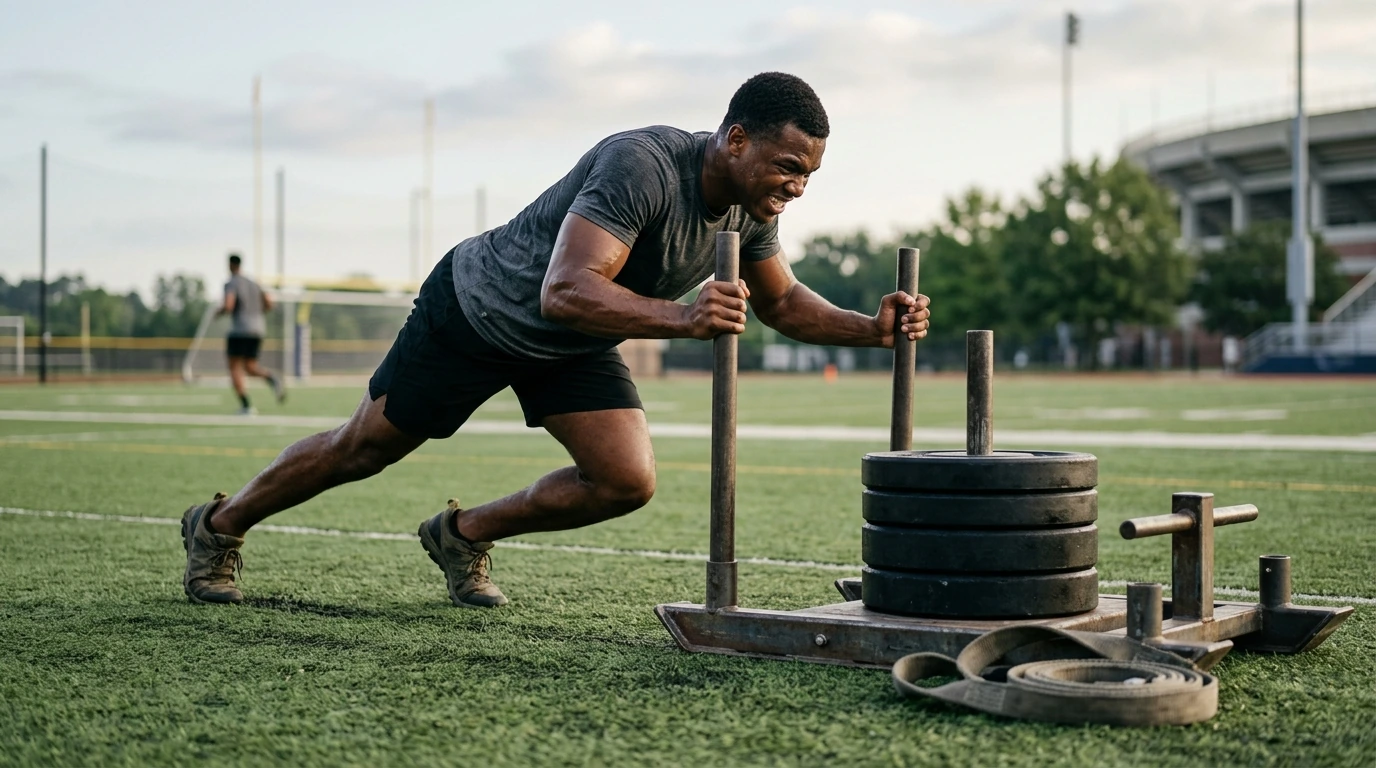
Heavy-Duty Power Sled Training: Push, Pull & Drag for Strength and Speed
A power sled is a simple tool that delivers repeatable, joint-friendly conditioning and strength work: drive it forward, pull it back, or drag it for targeted legs, glutes, trunk, and work capacity. This heavy-duty sled is built for loaded pushes, pulls, and drags that fit team sports, garage gyms, and performance training blocks.
What This Power Sled Is Built to Do
The value of a sled is how much training you can get done with one rugged implement and a stack of plates. When you can push, pull, and drag with the same setup, it becomes easy to program acceleration-focused work, posterior-chain emphasis, and conditioning without needing machines or complex adjustments.
- Supports three staple movement patterns: push, pull, and drag, so one implement covers acceleration work, posterior-chain emphasis, and conditioning.
- Helps train horizontal force production with less eccentric stress than many running or jumping sessions, making it useful during high-volume phases.
- Scales easily from technique-focused light loads to heavy strength efforts by adding plates and adjusting distance.
For athletes, that repeatable “same movement, different dose” approach makes progress easy to track. For general training, it’s an efficient way to add leg drive and work capacity without constant heavy spinal loading.
Push, Pull, and Drag: How Each Variation Changes the Training Effect
Sled work looks straightforward, but small changes in direction, attachment, and body position shift what you feel and what you develop. Mixing variations across the week can keep the stimulus balanced: knee/hip drive, posterior chain, and trunk stiffness—plus lungs and grit when needed.
- Push: emphasizes knee/hip drive, trunk bracing, and forward lean mechanics; commonly used for acceleration and leg drive.
- Pull (rear-facing or rope/strap pulls): shifts emphasis to posterior chain and upper-back/arms depending on setup and attachment height.
- Backward drag: targets quads and knee-dominant strength with controlled foot placement; often used for conditioning or knee-friendly leg work.
- Lateral drag: adds frontal-plane demand for adductors/abductors and changes-of-direction resilience.
Sled Variations and Practical Use Cases
| Variation | Primary Emphasis | Best For | Common Cues |
|---|---|---|---|
| Forward push | Leg drive + trunk stiffness | Acceleration-style effort, general conditioning | Long spine, strong lean, short powerful steps |
| Forward pull | Posterior chain + grip/upper back | Strength endurance, full-body work | Ribs down, steady cadence, don’t overstride |
| Backward drag | Quads + knee-dominant stamina | Finisher work, low-impact leg volume | Stay tall, small steps, constant tension |
| Lateral drag | Hips/adductors + coordination | Change-of-direction support, athletic conditioning | Hips level, controlled steps, avoid twisting |
Programming for Strength, Speed, and Conditioning
A sled can live in almost any training plan because it’s easy to scale. Treat it like a “dial” you can turn: load, distance, sets, rest, and surface all change the demand. When the goal is speed, protect speed by keeping reps crisp. When the goal is strength, push heavy but keep quality high.
- Speed-focused days: keep loads moderate and reps short (10–25 m) with longer rests to maintain sharp, fast steps.
- Strength-focused pushes/pulls: increase load and use shorter distances (5–15 m) with full recovery to keep output high.
- Conditioning blocks: use longer drags (20–60 m) or timed intervals (20–40 seconds) with controlled pacing.
- Simple weekly structure: 1 heavier sled session + 1 lighter, faster session to balance force and speed qualities.
For evidence-informed training frameworks and ongoing research summaries, the NSCA Strength and Conditioning Journal is a useful reference. For broader conditioning guidelines and weekly activity targets, see the ACSM physical activity resources.
Setup Tips for Better Results and Safer Sessions
Sled sessions feel “simple,” but the best results come from keeping the basics consistent: surface choice, posture, and progression. Treat each rep like practice—especially on speed days.
- Choose a surface that matches the goal: turf/track for smoother speed work; rougher pavement or grass can increase resistance and conditioning demand.
- Start each session with 2–4 progressive warm-up runs/drags before working sets.
- Keep posture and bracing consistent: avoid collapsing at the hips on heavy pushes; avoid excessive leaning back on pulls.
- Progress one variable at a time (load, distance, sets, or density) to prevent sudden spikes in training stress.
Who This Sled Fits Best
Care, Storage, and Longevity
Product Snapshot
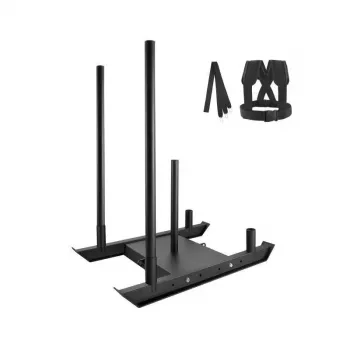
If you want one piece of conditioning equipment that can be trained heavy, fast, or long, the Heavy-Duty Power Sled for Strength & Speed Training – Push, Pull & Drag is designed for loaded push, pull, and drag sessions across strength, speed, and conditioning blocks. It pairs well with common weight plates and typical training spaces like turf strips, driveways, or fields, and it supports measurable progression—add load, increase distance, or reduce rest.
For carrying smaller training essentials to the gym or field (straps, gloves, tape, water bottle), the Elegant Casual Leather Tote Bag for Everyday Style can double as a simple grab-and-go option for daily sessions.
FAQ
How much weight should be used on a power sled for speed work?
Use a load that still allows fast, crisp steps and stable posture over short distances (about 10–25 meters). If stride rate collapses or you start grinding, reduce the weight or shorten the distance and keep rest longer.
Can sled drags replace running for conditioning?
Sled drags can build conditioning with lower impact, but they aren’t identical to running in mechanics or tissue demands. When possible, combine both; lean on sled work more when impact management or leg soreness is a priority.
What surface is best for pushing and dragging a sled?
Turf is popular for consistent glide and repeatable mechanics, while rougher surfaces add resistance and can turn the same load into a harder conditioning effort. Match the surface to the goal and keep it consistent when tracking progress.
Recommended for you

7-Day Positive Thinking Reset for Realistic Optimism
Aug 13, 2026
Moissanite Rings: Worth Buying for Sparkle & Value?
Aug 13, 2026













Leave a comment