-
Shop
- Adidas
- Advanced Technologies
- AI Skills Mastery 2026 Collection
- Best-Sellers
- Calvin Klein
- Car Accessories
- Confidence
- Dating & Social Skills
- Digital Resources
- AI & Technology
- AI Skills
- Beauty
- Budgeting & Saving
- Car Buying & Ownership
- Cozy Feast Collection
- Electronics & Technology
- Entrepreneurship & Business Growth
- Financial Education
- Financial Independence
- Financial Mindset & Psychology
- Goal Setting
- Hobbies
- Home Styling & Organization
- Kitchen & Recipes
- Leadership
- Mindset
- Online Business
- Parenting & Child Development
- Personal Style & Fashion
- Pet Lifestyle & Wellness
- Positive Thinking
- Sleep Improvement
- Stress Management & Relaxation
- Travel Planning
- Yoga & Fitness
- Yoga & Mind-Body Practices
- Education & Learning
- Family & Parenting
- Fashion
- Alexander McQueen
- Bags
- Bags & Wallets
- Balenciaga
- Belts
- Blazers
- Bottega Veneta
- Brunello Cucinelli
- Burberry
- Chanel
- Chloé
- Dior
- Dolce & Gabbana
- Dresses
- Etro
- Fendi
- Gucci
- Hats & Hair Accessories
- Hoodies & Sweatshirts
- Jacquemus
- Jewelry
- Jil Sander
- Keychains
- Kiton
- Luggage
- Miu Miu
- Off-White
- Prada
- Rick Owens
- Saint Laurent
- Socks & Tights
- Sweaters & Cardigans
- The Row
- Tom Ford
- Tops & Shirts
- Valentino
- Valentino Garavani
- Versace
- Vivienne Westwood
- Watches
- Furniture
- Gadgets
- Health & Beauty
- Health & Wellness
- Home & Garden
- Kids & Babies
- Kitchen
- Lighting
- Patio, Lawn & Garden
- Personal Growth
- Pet Care
- Pet Supplies
- Pets
- Shoes
- Smart Home Living Guides
- Sport & Outdoors
- Stress Relief & Relaxation
- TikTok Growth & Monetization Mastery
- Travel
- Travel & Adventure
- Wealth
- Wellness
- YouTube Shorts Best-Sellers
- Popular
- Best deals
Washable Swiffer Microfiber Mop Pad: Clean More, Waste Less
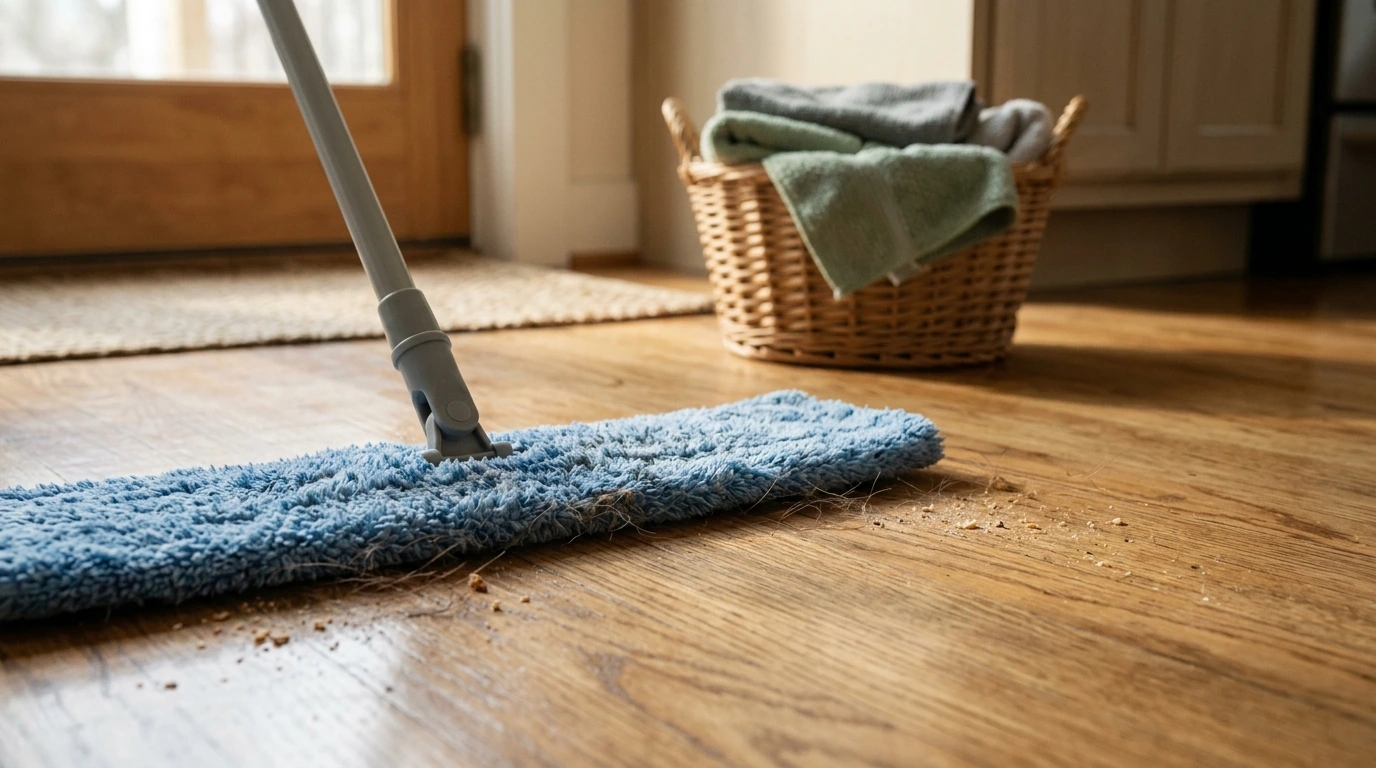
Reusable Microfiber Mop Pad for Swiffer: A Simple Upgrade for Everyday Floor Care
Keeping floors consistently clean gets easier when you’re not running through disposable refills. A reusable microfiber mop pad made for Swiffer-style flat mops is designed to handle day-to-day dust, crumbs, pet hair, and light sticky residue—then go straight into the wash for next time. It’s a practical swap for routine maintenance cleaning, especially in busy households where floors need frequent touch-ups. For more guidance, see Non-Toxic, Eco-Friendly Alternatives to Swiffers.
Below is a clear breakdown of what a washable microfiber refill is, how it cleans, where it performs best, and how to use and wash it so it keeps gripping debris instead of smearing it around. For further reading, see 6-Pack Reusable Microfiber Mop Pads Compatible With Swiffer ….
What this reusable mop pad is and how it cleans
A reusable microfiber mop pad is a washable pad sized to fit Swiffer-style flat mop heads, replacing single-use dry or wet pads. Instead of tossing a refill after each pass, you rinse or launder the pad and reuse it for repeated cleanups.
Microfiber works because it’s made of many tiny fibers that “grab” and hold fine particles. That structure helps lift and trap dust, crumbs, and pet hair rather than pushing them into corners. For a deeper look at why microfiber is widely used for cleaning, see the guidance from the CDC on microfiber cleaning cloths.
For most homes, a two-step rhythm delivers the best results:
- Dry pass first to pick up loose grit (helpful for reducing micro-scratches caused by tracked-in debris).
- Damp pass second for light residue, footprints, or dull-looking areas—paired with a floor-safe solution appropriate to the surface.
Where it works best (and where to be careful)
Reusable microfiber refills are commonly used on sealed hard surfaces such as sealed hardwood, laminate, vinyl, tile, and finished stone. Always follow your flooring manufacturer’s care guidance, especially for sensitive finishes.
The main thing to manage is moisture. On sealed wood and laminate, the goal is “barely damp,” so liquid doesn’t sit on seams or edges. On tile, you can often go slightly more damp to help pull fine dust from grout lines—but it’s smart to rinse the pad sooner during larger jobs to avoid redepositing grime.
Avoid harsh or abrasive cleaners that can strip finishes or dull coatings. Choose a pH-appropriate product for the floor type, and if your floor is waxed or unsealed, test a small area first and minimize water. For laundry and product-use basics, the American Cleaning Institute’s laundry guidance is a helpful reference.
Quick use guide by floor type
| Floor type | Recommended pass | Moisture level | Notes |
|---|---|---|---|
| Sealed hardwood | Dry then damp | Lightly damp | Use minimal liquid; dry any pooled moisture immediately |
| Laminate | Dry then damp | Lightly damp | Avoid soaking seams; use a quick-drying cleaner |
| Vinyl/LVP | Dry or damp | Light to moderate | Rinse pad if it starts to drag from buildup |
| Tile | Damp | Moderate | Focus on edges and grout; rinse pad during larger jobs |
| Finished stone | Dry then damp | Lightly damp | Use stone-safe cleaner; avoid acidic solutions |
How to use it for faster, cleaner results
To get maximum pickup, the pad needs even contact with the floor. Attach it securely so the microfiber surface lays flat across the mop head with no bunching.
- Start where grit collects. Entryways, hallways, under dining tables, and pet zones often shed the most debris. A quick dry sweep here prevents grit from being dragged across the rest of the room.
- Use “overlapping lanes.” Slow, overlapping strokes catch fine dust that fast swipes can skip.
- Damp mop with control. Mist the floor lightly or dampen the pad (especially on laminate and sealed wood). The pad should feel barely wet—no dripping.
- Finish with a long straight pass. One final pass helps pick up leftover moisture and reduce streaking.
- Work edges on purpose. Angle the mop head so the pad’s edge runs along baseboards and into corners where dust collects.
- Reset when loaded. If hair or fuzz builds up, shake it out into a trash bin or do a quick rinse, then keep going.
Care and washing: keeping microfiber effective
Microfiber stays grippy when the fibers remain open and unclogged. A few habits help preserve performance over time:
Savings and waste reduction compared with disposables
Common fit and compatibility notes
Product option
If you’re ready to switch from disposables, the Reusable Microfiber Mop Pad for Swiffer – Washable Floor Cleaning Refill is a straightforward replacement pad for routine dry sweeping and light damp cleaning. It’s well-suited for quick pickup of dust and hair and for keeping a repeatable floor-care routine without constant refills.
At-a-glance details
| Item | Price | Availability |
|---|---|---|
| Reusable Microfiber Mop Pad for Swiffer – Washable Floor Cleaning Refill | $3.67 | In stock |
More in-stock picks from our store
- Instant Wall-Mounted Electric Water Heater with LCD Display (useful for homes that want reliable hot water for cleaning and rinsing needs).
- Heart Shaped Crystal Ceiling Light (bright, even lighting can make dust and streaks easier to spot).
FAQ
Can a washable microfiber pad be used wet and dry?
Yes. Use it dry for dust and hair, and lightly damp for stuck-on residue. Keep moisture minimal on laminate and sealed wood, and follow your floor manufacturer’s care guidance.
How should microfiber mop pads be washed to keep them working well?
Wash with similar materials, avoid fabric softener and dryer sheets, and dry on low heat or air dry. An extra rinse can help remove cleaner residue that can reduce microfiber’s grip.
Will a reusable pad fit all Swiffer mops?
Not always—fit depends on the mop head size and attachment style. Confirm compatibility with your specific model, and if it shifts during use, reattach it so it’s secured evenly and fully engaged.
Recommended for you
The Row Ava Flats Review: Minimal Leather with Strap
Aug 14, 2026













Leave a comment