-
Shop
- Adidas
- Advanced Technologies
- AI Skills Mastery 2026 Collection
- Best-Sellers
- Calvin Klein
- Car Accessories
- Confidence
- Dating & Social Skills
- Digital Resources
- AI & Technology
- AI Skills
- Beauty
- Budgeting & Saving
- Car Buying & Ownership
- Cozy Feast Collection
- Electronics & Technology
- Entrepreneurship & Business Growth
- Financial Education
- Financial Independence
- Financial Mindset & Psychology
- Goal Setting
- Hobbies
- Home Styling & Organization
- Kitchen & Recipes
- Leadership
- Mindset
- Online Business
- Parenting & Child Development
- Personal Style & Fashion
- Pet Lifestyle & Wellness
- Positive Thinking
- Sleep Improvement
- Stress Management & Relaxation
- Travel Planning
- Yoga & Fitness
- Yoga & Mind-Body Practices
- Education & Learning
- Family & Parenting
- Fashion
- Alexander McQueen
- Bags
- Bags & Wallets
- Balenciaga
- Belts
- Blazers
- Bottega Veneta
- Brunello Cucinelli
- Burberry
- Chanel
- Chloé
- Dior
- Dolce & Gabbana
- Dresses
- Etro
- Fendi
- Gucci
- Hats & Hair Accessories
- Hoodies & Sweatshirts
- Jacquemus
- Jewelry
- Jil Sander
- Keychains
- Kiton
- Luggage
- Miu Miu
- Off-White
- Prada
- Rick Owens
- Saint Laurent
- Socks & Tights
- Sweaters & Cardigans
- The Row
- Tom Ford
- Tops & Shirts
- Valentino
- Valentino Garavani
- Versace
- Vivienne Westwood
- Watches
- Furniture
- Gadgets
- Health & Beauty
- Health & Wellness
- Home & Garden
- Kids & Babies
- Kitchen
- Lighting
- Patio, Lawn & Garden
- Personal Growth
- Pet Care
- Pet Supplies
- Pets
- Shoes
- Smart Home Living Guides
- Sport & Outdoors
- Stress Relief & Relaxation
- TikTok Growth & Monetization Mastery
- Travel
- Travel & Adventure
- Wealth
- Wellness
- YouTube Shorts Best-Sellers
- Popular
- Best deals
Most Comfortable Gladiator Sandals: Fit & Features
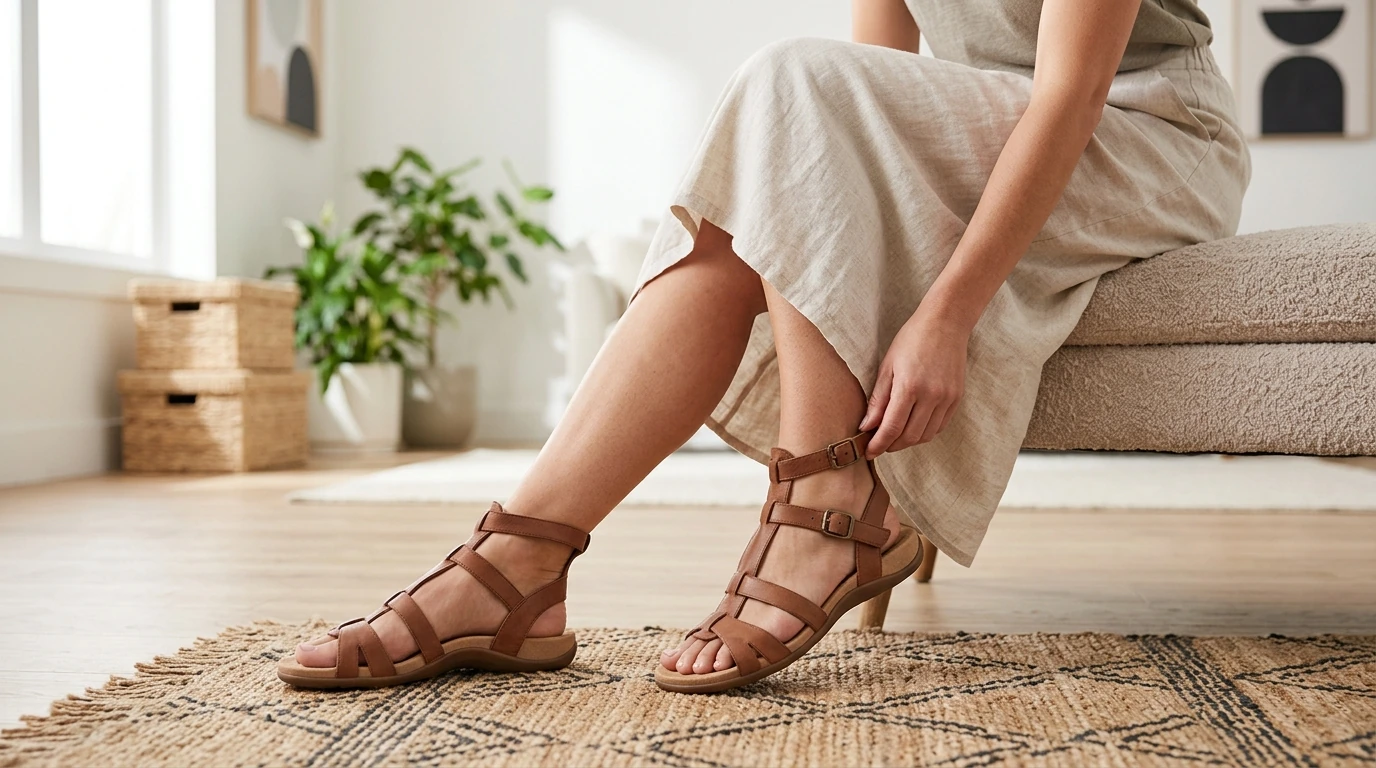
Which gladiator sandals are the most comfortable?
The most comfortable gladiator sandals are the pairs that feel stable on the foot, avoid pressure points, and flex where the foot naturally bends. Look for designs with a cushioned footbed, a supportive midsole, and straps that are soft (or lined) with plenty of adjustability so you can fine-tune fit at the ankle and across the instep.
In general, comfort improves when a gladiator sandal has fewer “hot-spot” strap edges and more structure underfoot. A slightly contoured footbed helps distribute weight, while a grippy outsole reduces the constant toe-clenching that can happen on slick soles. If you’re walking a lot, a small platform or low wedge can feel easier than a completely flat, thin sole because it adds shock absorption without sacrificing stability.
Comfort features to prioritize
Cushion and contour: A padded or molded footbed minimizes fatigue, especially in the ball of the foot and heel.
Smart strap placement: Straps that sit away from bony areas (like the ankle bone) and include multiple adjustment points are less likely to rub.
Flexible, durable sole: A sole that bends at the forefoot and has traction helps your gait feel natural and secure.
Heel-to-toe security: A stable heel cup or back strap (when present) can keep the foot from sliding forward, reducing friction.
How to choose the right “comfortable” gladiator for your feet
If your feet run wide or swell during the day, prioritize sandals with adjustable buckles or laces and softer strap materials. If you’re prone to blisters, avoid stiff, unlined straps and choose pairs with smooth interior finishes. For longer wear, break them in indoors first and adjust straps so they’re snug but not tight; your foot should feel held, not compressed.
For a deeper fit-and-comfort checklist (including how T-strap and gladiator styles can change support and stability), visit the full guide: https://lustrina.com/guide-womens-gladiator-t-strap-sandals-fit-comfort-style-guide/.
FAQ
How do I break in gladiator sandals without getting blisters?
Start with short indoor wears, then gradually increase time outside. Keep straps adjusted to prevent sliding, and use blister-prevention tape on known rub spots for the first few wears.










Leave a comment