-
Shop
- Adidas
- Advanced Technologies
- AI Skills Mastery 2026 Collection
- Best-Sellers
- Calvin Klein
- Car Accessories
- Confidence
- Dating & Social Skills
- Digital Resources
- AI & Technology
- AI Skills
- Beauty
- Budgeting & Saving
- Car Buying & Ownership
- Cozy Feast Collection
- Electronics & Technology
- Entrepreneurship & Business Growth
- Financial Education
- Financial Independence
- Financial Mindset & Psychology
- Goal Setting
- Hobbies
- Home Styling & Organization
- Kitchen & Recipes
- Leadership
- Mindset
- Online Business
- Parenting & Child Development
- Personal Style & Fashion
- Pet Lifestyle & Wellness
- Positive Thinking
- Sleep Improvement
- Stress Management & Relaxation
- Travel Planning
- Yoga & Fitness
- Yoga & Mind-Body Practices
- Education & Learning
- Family & Parenting
- Fashion
- Alexander McQueen
- Bags
- Bags & Wallets
- Balenciaga
- Belts
- Blazers
- Bottega Veneta
- Brunello Cucinelli
- Burberry
- Chanel
- Chloé
- Dior
- Dolce & Gabbana
- Dresses
- Etro
- Fendi
- Gucci
- Hats & Hair Accessories
- Hoodies & Sweatshirts
- Jacquemus
- Jewelry
- Jil Sander
- Keychains
- Kiton
- Luggage
- Miu Miu
- Off-White
- Prada
- Rick Owens
- Saint Laurent
- Socks & Tights
- Sweaters & Cardigans
- The Row
- Tom Ford
- Tops & Shirts
- Valentino
- Valentino Garavani
- Versace
- Vivienne Westwood
- Watches
- Furniture
- Gadgets
- Health & Beauty
- Health & Wellness
- Home & Garden
- Kids & Babies
- Kitchen
- Lighting
- Patio, Lawn & Garden
- Personal Growth
- Pet Care
- Pet Supplies
- Pets
- Shoes
- Smart Home Living Guides
- Sport & Outdoors
- Stress Relief & Relaxation
- TikTok Growth & Monetization Mastery
- Travel
- Travel & Adventure
- Wealth
- Wellness
- YouTube Shorts Best-Sellers
- Popular
- Best deals
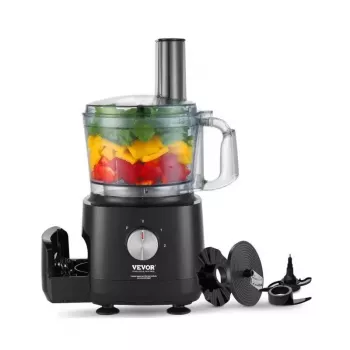
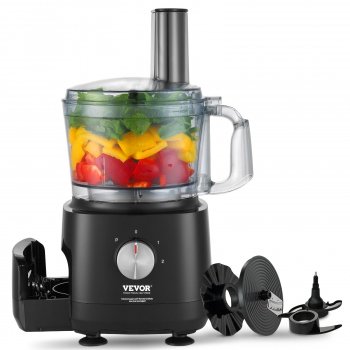
9-Cup 600W Food Processor for Slice, Shred & Knead
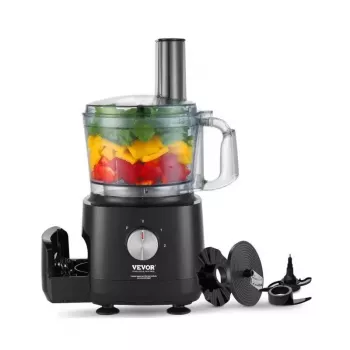
9-Cup Food Processor with 600W Motor for Chopping, Slicing, Shredding, and Kneading
A 9-cup bowl paired with a 600W motor hits a practical sweet spot for everyday prep—big enough for family meals, compact enough for regular countertop use. This food processor is built for fast chopping, consistent slicing and shredding, and dough kneading that reduces hand work for pizza nights and weekday baking.
What This Food Processor Handles Well
A mid-size processor shines when it replaces multiple tools you’d otherwise wash and store. With the right blade or disc and a few technique tweaks, it can cover most daily prep tasks with repeatable results.
- Chopping: onions, herbs, nuts, salsa ingredients, and cooked meats for quick meal prep.
- Slicing: uniform cucumber, potato, zucchini, and fruit slices for salads, gratins, and snacks.
- Shredding: cheese for casseroles, carrots for slaws, and cabbage for quick stir-fries.
- Kneading: basic yeast doughs for pizza, rolls, and flatbreads when the batch size fits the bowl.
- Mixing and pulsing: control texture from coarse chop to finer minces without over-processing.
600W Motor + 9-Cup Capacity: What That Means in the Kitchen
This combination is designed for real-world cooking: enough power to keep momentum through firm ingredients, and enough bowl space to reduce the number of batches for common recipes.
- Power for denser jobs: shredding firmer cheeses and kneading dough is smoother when the motor doesn’t bog down easily.
- Practical bowl size: 9 cups suits mid-size batches—large enough for dips and slaws, small enough for daily use and easier storage.
- Streamlined multi-step prep: slice vegetables, shred cheese, then mix fillings using the same base and bowl.
- More consistent outcomes: fewer batches usually means more uniform texture and seasoning distribution.
At-a-glance capability guide
| Task | Typical foods | Practical tip |
|---|---|---|
| Chop | Onion, garlic, herbs, nuts | Use pulse for control; scrape sides to avoid uneven mince |
| Slice | Cucumber, potato, apple | Feed evenly; apply steady pressure for uniform slices |
| Shred | Cheddar, carrot, cabbage | Chill cheese briefly for cleaner shredding |
| Knead | Pizza or bread dough | Stop once dough forms a ball; avoid over-kneading in-processor |
| Puree/Mix | Hummus, dressings, dips | Add liquid gradually for smoother emulsions |
Everyday Uses: Meal Prep Shortcuts That Add Up
The biggest value of a 9-cup processor is how often it earns its counter space. Instead of saving it for big holiday recipes, it can take on quick jobs that remove friction from everyday cooking.
- Weeknight stir-fry kit: slice vegetables, shred carrots/cabbage, and mince aromatics in minutes.
- Taco night: chop onions and cilantro, shred cheese, and pulse salsa ingredients to your preferred texture.
- Baking setup: quickly chop mix-ins (nuts, chocolate) and knead dough for simple breads.
- Entertaining: shred cheese for boards, slice cucumbers for sandwiches, and puree dips with consistent texture.
- Kid-friendly snacks: slice fruit and vegetables evenly for bento-style boxes.
If your routine includes pizza nights or sandwich lunches, a processor can reduce knife time dramatically—especially when you’re slicing a week’s worth of cucumbers or shredding a block of cheese for multiple meals.
Tips for Better Results (Chop, Slice, Shred, Knead)
- Start with even pieces: cut ingredients into similar-sized chunks before chopping to reduce uneven bits.
- Use the fridge strategically: for slicing and shredding, firm foods slightly in the fridge; it improves consistency and reduces smearing.
- Leave room to work: avoid overfilling the bowl; reasonable batches keep blade movement effective.
- Match the control to the texture: pulse for coarse textures (salsa, chopped nuts) and continuous run for smoother blends.
- For dough: start with measured flour; add water slowly; stop as soon as the dough comes together to protect texture and reduce motor strain.
For pizza dough specifically, sticking to foundational ratios and avoiding excess flour helps the dough form quickly without turning dense; King Arthur Baking’s pizza dough guidance is a useful reference for home bakers. Source: King Arthur Baking
Cleaning, Storage, and Everyday Care
Fast cleanup is what keeps a food processor in regular rotation. A few small habits make a big difference in both hygiene and long-term performance.
- Rinse right away: rinse immediately after processing sticky or starchy foods to prevent residue buildup.
- Dry thoroughly: dry parts before storage to help prevent odors and clouding on plastics.
- Store blades/discs safely: protect edges and reduce accidental cuts when reaching into cabinets.
- Wipe the base only: wipe the base with a damp cloth; never immerse the motor housing in water.
- Check fit points: inspect seals and locking areas periodically so the bowl and lid sit securely.
For broader guidance on keeping kitchen tools clean and reducing cross-contamination, review the USDA’s kitchen cleaning and sanitizing recommendations. Source: USDA FSIS
Safety Notes for Confident Use
Product Snapshot
Key details
| Detail | Value |
|---|---|
| Model | 9-Cup Food Processor with 600W Motor – Chops, Slices, Shreds & Kneads |
| Price | 70.51 USD |
| Availability | In stock |
In-Stock Picks
- 9-Cup Food Processor with 600W Motor – Chops, Slices, Shreds & Kneads
- Instant Wall-Mounted Electric Water Heater with LCD Display
- Heart Shaped Crystal Ceiling Light
FAQ
Can a 600W food processor knead dough effectively?
Yes—600W is generally enough for basic yeast doughs when you keep batches moderate for a 9-cup bowl. Add liquid gradually and stop once the dough forms a cohesive ball; let the motor rest briefly between dense kneading cycles.
How to get cleaner shreds when shredding cheese?
Chill the cheese for 10–20 minutes so it stays firm, and shred from a block rather than soft or pre-shredded cheese. Avoid overfilling the feed chute, and rinse the disc soon after shredding to prevent oily residue from sticking.
What size batches suit a 9-cup bowl?
A 9-cup bowl is ideal for mid-size family prep like dips, slaws, sliced vegetables, and shredded cheese for a few meals. For very large quantities, doing two smaller batches usually gives more even processing and reduces clumping.













Leave a comment