-
Shop
- Adidas
- Advanced Technologies
- AI Skills Mastery 2026 Collection
- Best-Sellers
- Calvin Klein
- Car Accessories
- Confidence
- Dating & Social Skills
- Digital Resources
- AI & Technology
- AI Skills
- Beauty
- Budgeting & Saving
- Car Buying & Ownership
- Cozy Feast Collection
- Electronics & Technology
- Entrepreneurship & Business Growth
- Financial Education
- Financial Independence
- Financial Mindset & Psychology
- Goal Setting
- Hobbies
- Home Styling & Organization
- Kitchen & Recipes
- Leadership
- Mindset
- Online Business
- Parenting & Child Development
- Personal Style & Fashion
- Pet Lifestyle & Wellness
- Positive Thinking
- Sleep Improvement
- Stress Management & Relaxation
- Travel Planning
- Yoga & Fitness
- Yoga & Mind-Body Practices
- Education & Learning
- Family & Parenting
- Fashion
- Alexander McQueen
- Bags
- Bags & Wallets
- Balenciaga
- Belts
- Blazers
- Bottega Veneta
- Brunello Cucinelli
- Burberry
- Chanel
- Chloé
- Dior
- Dolce & Gabbana
- Dresses
- Etro
- Fendi
- Gucci
- Hats & Hair Accessories
- Hoodies & Sweatshirts
- Jacquemus
- Jewelry
- Jil Sander
- Keychains
- Kiton
- Luggage
- Miu Miu
- Off-White
- Prada
- Rick Owens
- Saint Laurent
- Socks & Tights
- Sweaters & Cardigans
- The Row
- Tom Ford
- Tops & Shirts
- Valentino
- Valentino Garavani
- Versace
- Vivienne Westwood
- Watches
- Furniture
- Gadgets
- Health & Beauty
- Health & Wellness
- Home & Garden
- Kids & Babies
- Kitchen
- Lighting
- Patio, Lawn & Garden
- Personal Growth
- Pet Care
- Pet Supplies
- Pets
- Shoes
- Smart Home Living Guides
- Sport & Outdoors
- Stress Relief & Relaxation
- TikTok Growth & Monetization Mastery
- Travel
- Travel & Adventure
- Wealth
- Wellness
- YouTube Shorts Best-Sellers
- Popular
- Best deals
Solo Grocery Budgeting: One Cart Plan to Save More
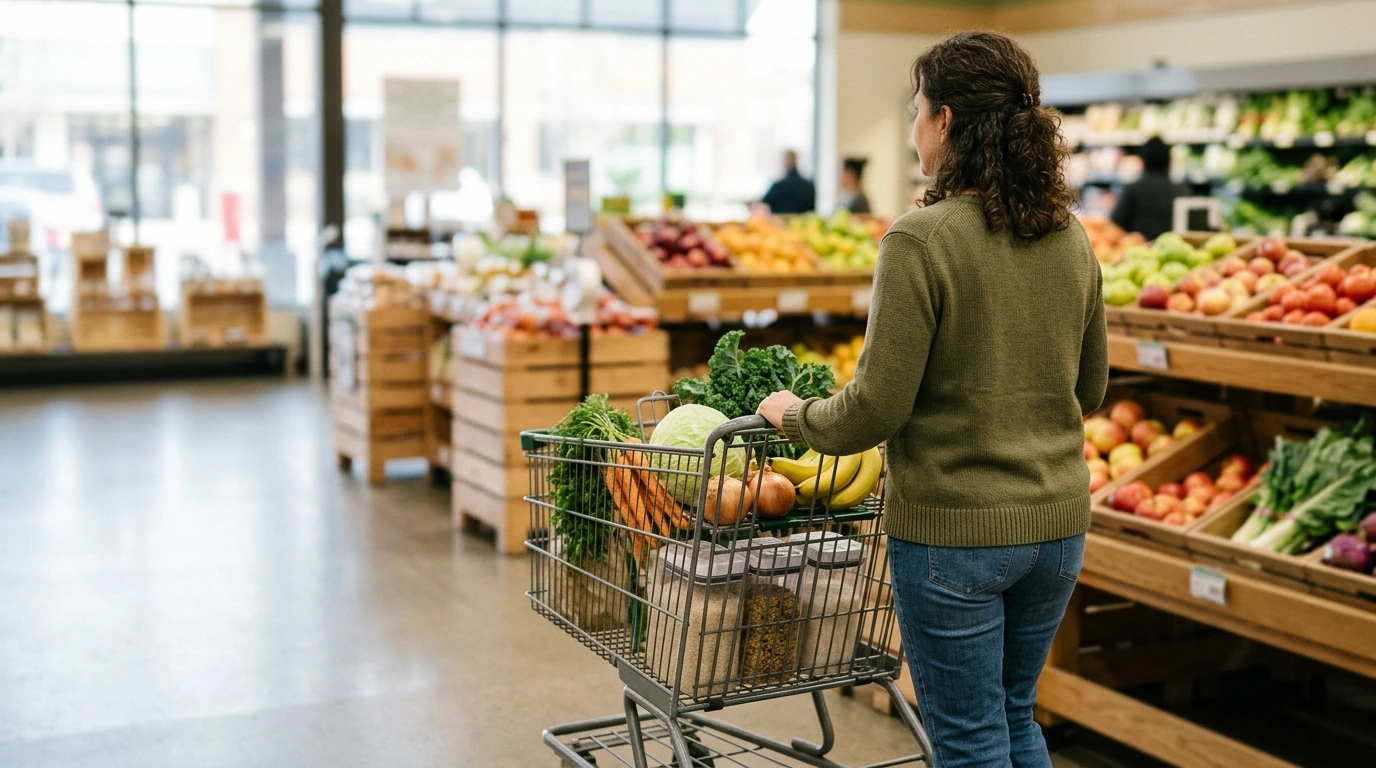
One Cart, Big Wins: A Practical Grocery Budgeting Playbook for Solo Shoppers
Grocery shopping for one can feel expensive fast: oversized packages, wasted leftovers, and impulse buys add up. A smarter approach focuses on a tight plan, a short list, and repeatable meals that keep variety without blowing the budget. Below is a solo-friendly system—from setting a weekly number to building a cart that actually matches it—plus an easy framework for meal planning that minimizes waste and maximizes value.
Why solo shopping gets pricey (and how to flip it)
Shopping solo is less about “buying less” and more about buying with fewer dead ends. Most grocery stores are optimized for households that cook larger batches and finish ingredients quickly—so the hidden costs show up differently when you live alone.
- Family-sized packages create silent waste. The sticker price looks good, but unused food that spoils is money gone.
- Ingredients without a plan don’t combine. Random produce and specialty items often turn into mismatched leftovers and extra store runs.
- Convenience costs more per meal. Single-serve snacks, prepared meals, and delivery can spike the per-serving price.
- Repeatable meal “formats” save you. Mix-and-match bowls, wraps, stir-fries, and soups reuse the same ingredients while still feeling different.
Set a weekly grocery number that’s realistic for one
A good grocery budget isn’t a vague monthly guess—it’s a weekly cap tied to how many meals you’ll actually eat at home. Start by choosing a weekly ceiling, then split it into simple buckets so one category doesn’t quietly take over the cart.
- Start with a weekly cap and divide it into staples, proteins, produce, and “extras.”
- Base it on at-home meals: count breakfasts, lunches, and dinners you’ll eat at home, then plan purchases to match.
- Build in 1–2 flexibility meals (freezer/pantry/leftovers) so a busy day doesn’t trigger last-minute takeout.
- Track receipts for a few weeks to find the real leak—often snacks, beverages, convenience items, or duplicate pantry buys.
Simple weekly budget buckets for solo shoppers
| Bucket | What it covers | Tips to stay on track |
|---|---|---|
| Staples | Rice/pasta, oats, bread, beans, sauces, spices | Refill only what’s low; choose 2–3 multipurpose sauces |
| Protein | Chicken, eggs, tofu, canned fish, legumes | Buy 1–2 main proteins and portion/freeze immediately |
| Produce | Fresh and frozen fruits/veg | Prioritize long-lasting items + frozen backups |
| Dairy/Alternatives | Milk/yogurt/cheese or alternatives | Choose one “workhorse” item used across multiple meals |
| Extras | Snacks, drinks, treats | Set a firm mini-cap to prevent budget creep |
Build a solo-friendly meal plan that prevents waste
The easiest meal plan for one isn’t seven totally different dinners. It’s a small set of core meals that reuse ingredients, plus simple flavor swaps so it doesn’t feel repetitive.
- Pick 2–3 core meals and rotate flavors (swap sauces, seasonings, toppings) instead of changing the whole recipe nightly.
- Use a shared-ingredient rule: every fresh ingredient should appear in at least two meals.
- Balance shelf-life: pair quick-spoil items (berries, leafy greens) with longer-lasting produce (carrots, cabbage, onions).
- Keep a pantry backbone (beans, lentils, rice, canned tomatoes, broth) so the plan holds up when prices jump.
If you like to sanity-check nutrition or compare options (like protein, fiber, or sodium), USDA FoodData Central is a reliable database that makes side-by-side comparisons straightforward.
The one-cart strategy: a step-by-step store routine
The goal is simple: one trip, one cart, and a checkout total that matches the number you picked. A consistent in-store routine reduces impulse spending and keeps the plan intact.
To understand why grocery prices can feel like they change overnight, the U.S. Bureau of Labor Statistics Consumer Price Index (Food) offers a helpful high-level view of food inflation trends.
Buy smart for one: portioning, freezing, and mini-prep
For safe storage times and temperatures (especially for leftovers and raw proteins), follow the guidance from the FDA’s food storage and safety resources.
Stretch your budget without feeling deprived
Put it on autopilot with the eBook system
Once you have a repeatable flow, your grocery budget stops feeling like a weekly negotiation. For a step-by-step framework you can reuse, the One Cart, Big Wins: The Smart Solo Shopper’s Guide to Grocery Budgeting | How to Grocery Shop on a Budget for 1 | Budget Meal Planning eBook organizes the process into simple routines you can follow even on busy weeks.
And if you prefer bringing your own bags (or want one sturdy option that holds shape and carries comfortably), consider the Elegant Casual Leather Tote Bag for Everyday Style as a durable everyday carry for market runs and errands.
FAQ
How can a solo shopper grocery shop on a budget without wasting food?
Plan 2–3 core meals, make sure each fresh ingredient shows up at least twice, and lean on long-lasting produce plus frozen backups. Portion proteins right away and keep a few freezer/pantry “rescue meals” to avoid extra trips and spoilage.
Is meal planning for one worth it if there’s no time to cook?
Yes—keep it low-effort: batch one base (like rice or roasted veggies), then add quick proteins and sauces for 10–20 minute meals. A small rotation of repeatable staples cuts decision fatigue and still keeps you fed.
What are the best budget groceries to keep on hand for one person?
Stock pantry and freezer staples like beans, lentils, rice, pasta, canned tomatoes, broth, frozen vegetables, eggs, and oats. They combine into multiple meals with minimal waste and make it easier to skip last-minute takeout.
Recommended for you


7 Small Ways to Grow Your Self-Confidence
Sep 23, 2026













Leave a comment