-
Shop
- Adidas
- Advanced Technologies
- AI Skills Mastery 2026 Collection
- Best-Sellers
- Calvin Klein
- Car Accessories
- Confidence
- Dating & Social Skills
- Digital Resources
- AI & Technology
- AI Skills
- Beauty
- Budgeting & Saving
- Car Buying & Ownership
- Cozy Feast Collection
- Electronics & Technology
- Entrepreneurship & Business Growth
- Financial Education
- Financial Independence
- Financial Mindset & Psychology
- Goal Setting
- Hobbies
- Home Styling & Organization
- Kitchen & Recipes
- Leadership
- Mindset
- Online Business
- Parenting & Child Development
- Personal Style & Fashion
- Pet Lifestyle & Wellness
- Positive Thinking
- Sleep Improvement
- Stress Management & Relaxation
- Travel Planning
- Yoga & Fitness
- Yoga & Mind-Body Practices
- Education & Learning
- Family & Parenting
- Fashion
- Alexander McQueen
- Bags
- Bags & Wallets
- Balenciaga
- Belts
- Blazers
- Bottega Veneta
- Brunello Cucinelli
- Burberry
- Chanel
- Chloé
- Dior
- Dolce & Gabbana
- Dresses
- Etro
- Fendi
- Gucci
- Hats & Hair Accessories
- Hoodies & Sweatshirts
- Jacquemus
- Jewelry
- Jil Sander
- Keychains
- Kiton
- Luggage
- Miu Miu
- Off-White
- Prada
- Rick Owens
- Saint Laurent
- Socks & Tights
- Sweaters & Cardigans
- The Row
- Tom Ford
- Tops & Shirts
- Valentino
- Valentino Garavani
- Versace
- Vivienne Westwood
- Watches
- Furniture
- Gadgets
- Health & Beauty
- Health & Wellness
- Home & Garden
- Kids & Babies
- Kitchen
- Lighting
- Patio, Lawn & Garden
- Personal Growth
- Pet Care
- Pet Supplies
- Pets
- Shoes
- Smart Home Living Guides
- Sport & Outdoors
- Stress Relief & Relaxation
- TikTok Growth & Monetization Mastery
- Travel
- Travel & Adventure
- Wealth
- Wellness
- YouTube Shorts Best-Sellers
- Popular
- Best deals
Desktop UF Membrane Water Filter: Clean Countertop Water
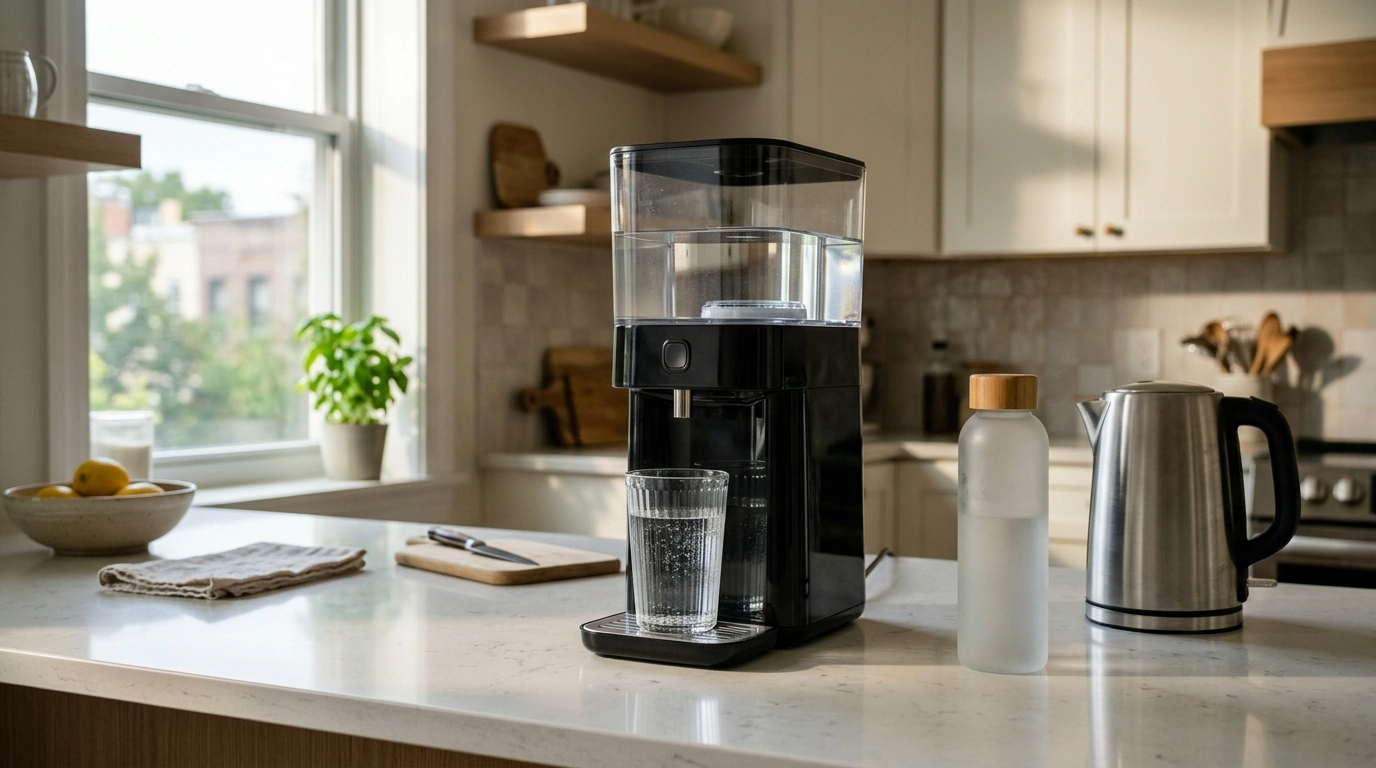
High-Efficiency Desktop UF Membrane Filter Water Purification System: Clean Water on the Counter, Without the Complexity
A desktop UF membrane purifier is built for people who want better-tasting, visibly clearer water at home or at work—without drilling, plumbing changes, or complicated routines. Our High-Efficiency Desktop UF Membrane Filter Water Purification System brings ultrafiltration to the countertop for everyday drinking water, cooking, and guests, with a setup that fits neatly into real-life kitchens, studios, and breakrooms.
What a desktop UF membrane system is designed to do
A countertop UF (ultrafiltration) system focuses on point-of-use water—meaning the water you actually drink and cook with—without requiring a permanent install. Here’s what that looks like in day-to-day life:
- Delivers filtered water from a compact, countertop-friendly format for apartments, offices, rentals, and secondary kitchens.
- Uses ultrafiltration (UF) membrane technology as a physical barrier filtration approach suited to reducing fine particles and many common water impurities found in tap or stored water.
- Supports day-to-day hydration habits—filling bottles, kettles, pet bowls, and cooking pots—without relying on single-use bottled water.
- A practical option when under-sink installation is inconvenient, or when a dedicated drinking-water point is preferred over whole-home filtration.
If you’re comparing filtration styles or want context on what can show up in drinking water, the U.S. EPA’s overview is a helpful baseline: Drinking Water Contaminants and Standards.
Where it fits best: home, office, and small hospitality use
Desktop filtration shines when convenience drives consistency. If it’s easy to use, you’ll use it more often—and that’s what makes a noticeable difference in your routine.
- Home kitchens: a dedicated station for drinking and cooking water, especially when counter space is available and under-sink access is limited.
- Workspaces and studios: encourages better hydration with a visible, easy-to-access filtration point near desks or a break area.
- Guest-ready convenience: makes it simple to offer clean water without constant purchases or storing cases of bottles.
- Seasonal living and second homes: countertop units are easier to manage than permanent installations when properties are used intermittently.
| Use case | What matters most | Helpful tip |
|---|---|---|
| Apartments & rentals | No permanent modifications | Choose a stable, splash-safe counter spot near your water source |
| Office breakrooms | Simple daily operation | Assign a quick weekly wipe-down and periodic filter checks |
| Cooking & kettles | Consistent taste and clarity | Use filtered water for tea/coffee and for boiling grains |
| Guest water station | Fast, repeatable fills | Keep clean glasses and a bottle nearby to normalize daily use |
What results to expect (and what to pair it with when needed)
Ultrafiltration is a membrane-based method that can noticeably improve clarity by reducing fine particulate matter; depending on the total system design and upkeep, it may also help reduce certain microorganisms through physical filtration. Taste and odor improvements often depend on the full filtration stages (commonly including carbon), your local water chemistry, and how reliably filters are maintained.
If your area has a known water issue—such as a specific contaminant advisory—treat the purifier as one part of a plan and follow local guidance for targeted, certified treatment options. For broader health context on safe drinking-water guidelines, you can also reference the World Health Organization Guidelines for Drinking-water Quality.
For well water or highly variable sources, pre-filtration and regular testing can be the difference between “it’s fine” and “it stays consistently good.” Our team generally recommends matching your filtration approach to what your water actually contains, not just what you’d like it to contain.
Placement, daily operation, and care habits that keep water quality consistent
The cleanest-tasting water usually comes from a simple rule: keep the water path clean and keep maintenance predictable.
| Task | Frequency | Why it matters |
|---|---|---|
| Wipe exterior and surrounding counter | Weekly | Prevents residue and keeps the dispensing area cleaner |
| Clean any refill reservoir or contact surfaces | Weekly to biweekly | Helps reduce off-tastes from stored water and everyday handling |
| Check flow/taste changes | Ongoing | Early signal that a filter stage may need service |
| Replace filters | Per the system’s schedule | Maintains filtration effectiveness and stable water quality |
Who this system is for
A practical way to decide if UF is the right filtration style
Two easy add-ons that make a water station feel “complete”
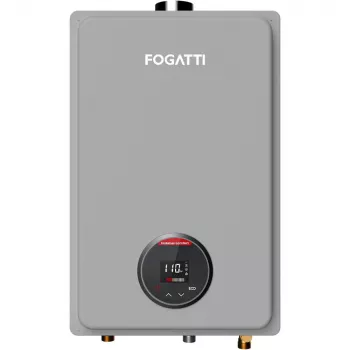
- Make hot drinks effortless: If you’re frequently making tea, coffee, or instant meals, our Instant Wall-Mounted Electric Water Heater with LCD Display can help you turn filtered water into near-instant hot water in the same general prep zone.
- Commit to the “refill habit”: Keeping a clean bottle or carafe next to our High-Efficiency Desktop UF Membrane Filter Water Purification System reduces friction—so you actually reach for filtered water first.
FAQ
Does ultrafiltration make water safe to drink?
Ultrafiltration is a physical filtration method that can reduce fine particles and may reduce certain microorganisms depending on system design and upkeep. You should still follow local water advisories, use an appropriate source water supply, and consider additional certified treatment if specific risks or contaminants are present.
How often do filters need to be replaced?
You should follow the system’s specified replacement schedule, since usage volume and incoming water quality can change timing. If you notice slower flow or a taste change, that can be an early sign a filter stage needs service.
Is a desktop UF system good for apartments and rentals?
Yes—this style is a strong fit when permanent installation isn’t desirable. You get a dedicated drinking-water station on the counter without modifying plumbing, which is ideal for rentals and temporary living setups.










Leave a comment