-
Shop
- Adidas
- Advanced Technologies
- AI Skills Mastery 2026 Collection
- Best-Sellers
- Calvin Klein
- Car Accessories
- Confidence
- Dating & Social Skills
- Digital Resources
- AI & Technology
- AI Skills
- Beauty
- Budgeting & Saving
- Car Buying & Ownership
- Cozy Feast Collection
- Electronics & Technology
- Entrepreneurship & Business Growth
- Financial Education
- Financial Independence
- Financial Mindset & Psychology
- Goal Setting
- Hobbies
- Home Styling & Organization
- Kitchen & Recipes
- Leadership
- Mindset
- Online Business
- Parenting & Child Development
- Personal Style & Fashion
- Pet Lifestyle & Wellness
- Positive Thinking
- Sleep Improvement
- Stress Management & Relaxation
- Travel Planning
- Yoga & Fitness
- Yoga & Mind-Body Practices
- Education & Learning
- Family & Parenting
- Fashion
- Alexander McQueen
- Bags
- Bags & Wallets
- Balenciaga
- Belts
- Blazers
- Bottega Veneta
- Brunello Cucinelli
- Burberry
- Chanel
- Chloé
- Dior
- Dolce & Gabbana
- Dresses
- Etro
- Fendi
- Gucci
- Hats & Hair Accessories
- Hoodies & Sweatshirts
- Jacquemus
- Jewelry
- Jil Sander
- Keychains
- Kiton
- Luggage
- Miu Miu
- Off-White
- Prada
- Rick Owens
- Saint Laurent
- Socks & Tights
- Sweaters & Cardigans
- The Row
- Tom Ford
- Tops & Shirts
- Valentino
- Valentino Garavani
- Versace
- Vivienne Westwood
- Watches
- Furniture
- Gadgets
- Health & Beauty
- Health & Wellness
- Home & Garden
- Kids & Babies
- Kitchen
- Lighting
- Patio, Lawn & Garden
- Personal Growth
- Pet Care
- Pet Supplies
- Pets
- Shoes
- Smart Home Living Guides
- Sport & Outdoors
- Stress Relief & Relaxation
- TikTok Growth & Monetization Mastery
- Travel
- Travel & Adventure
- Wealth
- Wellness
- YouTube Shorts Best-Sellers
- Popular
- Best deals
Tankless Water Heater Downsides: Cost, Flow and Upkeep
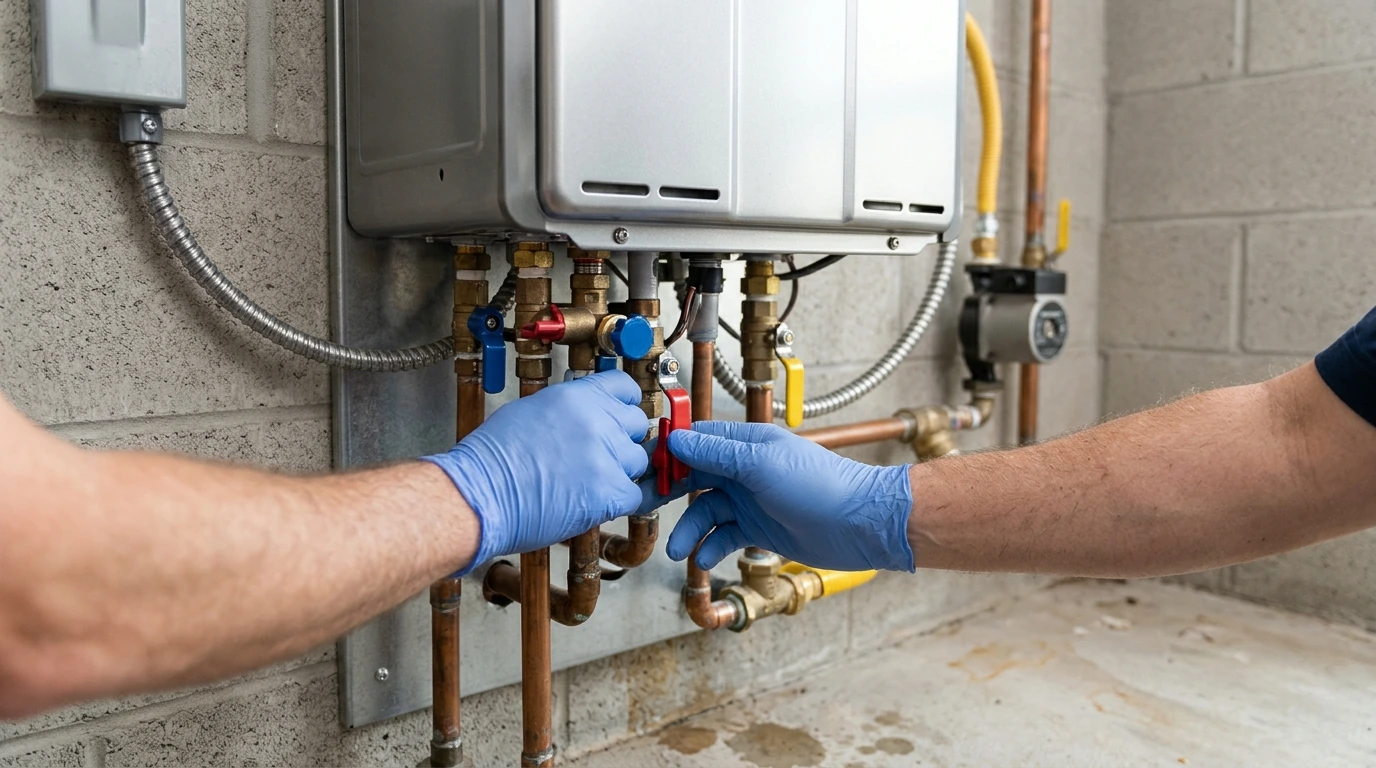
What is the downside of a tankless water heater?
The biggest downside is the upfront cost. A tankless water heater can cost more to buy and install than a conventional tank model, especially if your home needs gas-line, venting, or electrical upgrades. The price of the unit alone may not tell you what the finished project will cost.
Tankless heaters also have a limit on how much hot water they can deliver at once. They can run continuously, but “endless hot water” does not mean unlimited flow. If you run multiple showers or appliances together and demand exceeds the unit’s capacity, the water may not reach your desired temperature. Our team recommends considering the fixtures you expect to use at the same time, not just the number of people in your home. Our natural gas tankless water heater sizing and efficiency guide explains how flow rate and incoming water temperature affect that choice.
What else should you plan for?
Installation requirements
Tankless units heat water on demand, which can require substantial gas input while they’re running. Depending on your existing setup, a licensed installer may need to evaluate gas supply, venting, and the location of the unit. Replacing a tank heater is not always a simple swap, so get an installation estimate before you decide whether the long-term benefits justify the initial expense.
Maintenance and everyday use
Mineral buildup can reduce performance, particularly where water is hard. Tankless heaters may need periodic flushing and other maintenance according to the manufacturer’s instructions. A water-treatment solution may also be worth discussing with your installer if mineral buildup is a concern in your home.
You may notice a brief wait for hot water at the faucet. A tankless heater starts heating when you open a tap, but the water still has to travel through the pipes. Some units also have a minimum flow needed to activate, which can matter when you want only a small trickle of hot water.
For many households, these trade-offs are manageable. We suggest comparing the complete installed cost, your simultaneous hot-water demand, and the maintenance you’re willing to take on. A properly selected unit can be a good fit; an undersized unit or an unexpectedly complex installation can make the experience disappointing.
FAQ
Can a tankless water heater run out of hot water?
A tankless water heater does not empty a stored supply, but it can struggle to maintain your desired temperature if simultaneous demand exceeds its flow capacity. Choosing a unit for the fixtures you plan to run together helps prevent that problem.
Recommended for you
How to Help a Cat Stop Spraying: A Gentle Checklist
Oct 21, 2026













Leave a comment