-
Shop
- Adidas
- Advanced Technologies
- AI Skills Mastery 2026 Collection
- Best-Sellers
- Calvin Klein
- Car Accessories
- Confidence
- Dating & Social Skills
- Digital Resources
- AI & Technology
- AI Skills
- Beauty
- Budgeting & Saving
- Car Buying & Ownership
- Cozy Feast Collection
- Electronics & Technology
- Entrepreneurship & Business Growth
- Financial Education
- Financial Independence
- Financial Mindset & Psychology
- Goal Setting
- Hobbies
- Home Styling & Organization
- Kitchen & Recipes
- Leadership
- Mindset
- Online Business
- Parenting & Child Development
- Personal Style & Fashion
- Pet Lifestyle & Wellness
- Positive Thinking
- Sleep Improvement
- Stress Management & Relaxation
- Travel Planning
- Yoga & Fitness
- Yoga & Mind-Body Practices
- Education & Learning
- Family & Parenting
- Fashion
- Alexander McQueen
- Bags
- Bags & Wallets
- Balenciaga
- Belts
- Blazers
- Bottega Veneta
- Brunello Cucinelli
- Burberry
- Chanel
- Chloé
- Dior
- Dolce & Gabbana
- Dresses
- Etro
- Fendi
- Gucci
- Hats & Hair Accessories
- Hoodies & Sweatshirts
- Jacquemus
- Jewelry
- Jil Sander
- Keychains
- Kiton
- Luggage
- Miu Miu
- Off-White
- Prada
- Rick Owens
- Saint Laurent
- Socks & Tights
- Sweaters & Cardigans
- The Row
- Tom Ford
- Tops & Shirts
- Valentino
- Valentino Garavani
- Versace
- Vivienne Westwood
- Watches
- Furniture
- Gadgets
- Health & Beauty
- Health & Wellness
- Home & Garden
- Kids & Babies
- Kitchen
- Lighting
- Patio, Lawn & Garden
- Personal Growth
- Pet Care
- Pet Supplies
- Pets
- Shoes
- Smart Home Living Guides
- Sport & Outdoors
- Stress Relief & Relaxation
- TikTok Growth & Monetization Mastery
- Travel
- Travel & Adventure
- Wealth
- Wellness
- YouTube Shorts Best-Sellers
- Popular
- Best deals
AI for Toddler Routines: Sleep, Tantrums, and Transitions
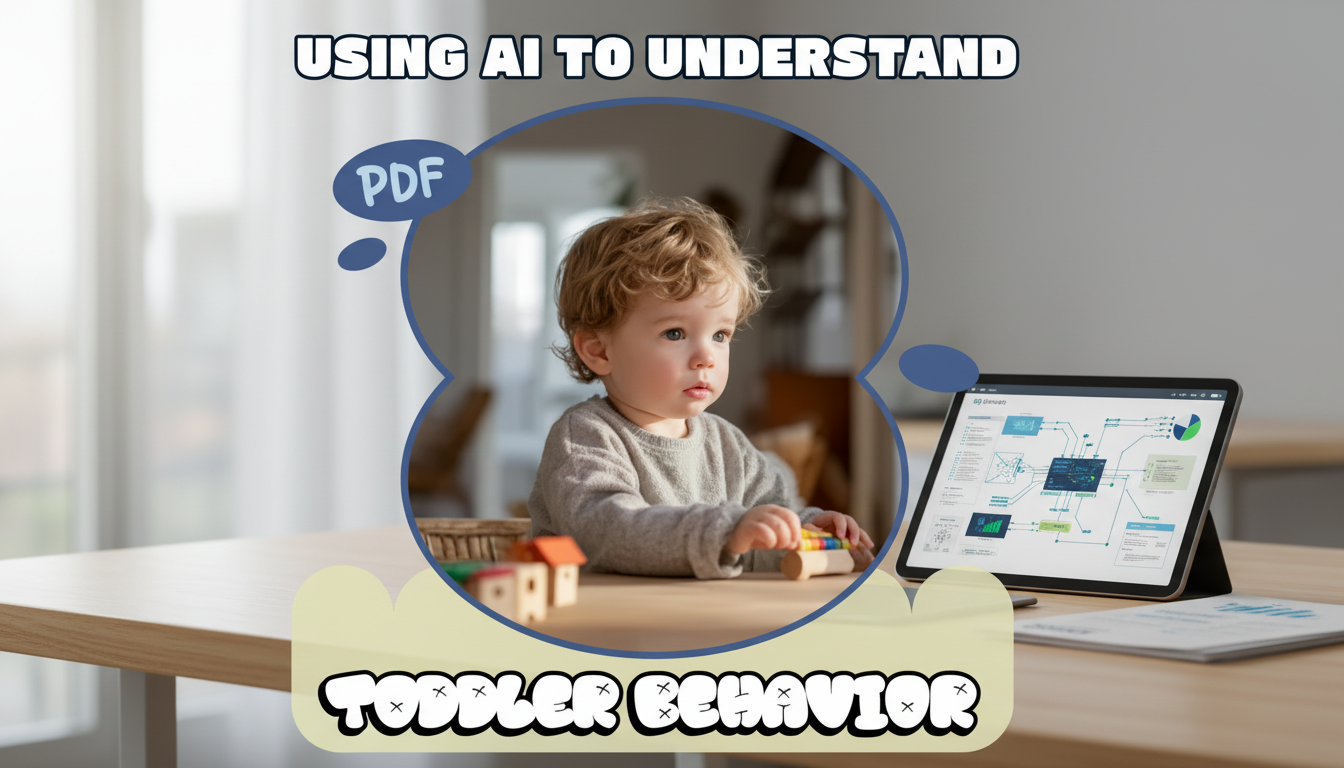
Toddlers, routines, and rapid change: where AI can help
Toddlers change fast—sleep shifts, new emotions appear, and routines can unravel overnight. Lightweight AI tools can help spot patterns in behavior logs, identify common triggers, and translate day-to-day notes into practical adjustments for naps, bedtime, transitions, and big feelings. The goal isn’t to label a child; it’s to notice what’s working, what’s changing, and where a little extra support may help.
When used well, AI works like a pattern-finder and summarizer: it organizes what you already observe so you can make calmer, smaller decisions—especially during the busiest parts of the day.
What “AI support” looks like in everyday toddler parenting
“AI support” usually means taking simple caregiver notes and turning them into clearer takeaways. Instead of staring at scattered entries (“skipped nap,” “meltdown at checkout,” “late bedtime”), you get a weekly snapshot you can act on.
- Turns notes (tantrum times, nap length, meals, outings) into concise summaries and recurring themes.
- Highlights repeat patterns: transitions that predict meltdowns, sleep debt building across the week, or overstimulation after certain activities.
- Suggests small experiments: an earlier snack, a shorter outing, wind-down routine tweaks, or different transition wording.
- Keeps caregiver judgment central: AI offers hypotheses; caregivers choose what fits their child and values.
- Works best with lightweight tracking you can sustain for 2–4 weeks, not constant monitoring.
What to track (and what to ignore) for clearer behavior patterns
The fastest path to useful insights is tracking fewer things consistently. Aim for 4–6 data points and brief context, then let the summaries do the heavy lifting.
- Start with: sleep timing, nap length, wake windows, meals/snacks, screen time, and notable stressors (travel, illness, new caregiver).
- Add emotional context in plain language: “cried when leaving playground,” “hit when toy taken,” “calmed with song + squeeze.”
- Track transitions: leaving home, arriving at daycare, bath-to-bed, toy cleanup, car seat buckling.
- Avoid overtracking: skip minute-by-minute mood ratings; focus on events that reliably precede dysregulation.
- Use consistent labels (for example: “tantrum,” “whining,” “aggression,” “shutdown”) so trends are easier to spot.
If you’re unsure what’s developmentally typical, the CDC Developmental Milestones can help you frame expectations without turning everyday challenges into diagnoses.
A practical 7-day setup: from quick notes to useful insights
One week is often enough to surface obvious patterns (especially around sleep and transitions). The goal is to keep entries short and repeatable.
- Day 1–2: Record baseline without changing anything; aim for 10–30 seconds per entry.
- Day 3–4: Add one detail: either the trigger (what happened right before) or the recovery (what helped).
- Day 5–6: Run one small experiment (earlier bedtime by 15 minutes, snack before outing, a transition countdown).
- Day 7: Review patterns: top three triggers, top three soothing strategies, and the two hardest times of day.
- Keep improvements modest and measurable: fewer pickup meltdowns, shorter time to calm, smoother bedtime routine.
Sleep and routines: using pattern-spotting to reduce bedtime battles
Sleep problems often look like “behavior problems” first. A common pattern is that a later bedtime creates earlier wake-ups and more late-afternoon dysregulation—something that becomes obvious when logs are summarized week-to-week. For sleep basics and age-appropriate guidance, the American Academy of Pediatrics sleep resources are a solid reference point.
Common sleep-related patterns and practical adjustments
| Pattern noticed in logs | What it can mean | Small adjustment to test (3–5 days) |
|---|---|---|
| Meltdowns cluster 60–90 minutes before bedtime | Overtiredness or overstimulation late day | Move bedtime 15–30 minutes earlier; reduce evening stimulation |
| Nap runs late; bedtime becomes a fight | Nap timing interfering with sleep pressure | Set a nap cutoff time; shorten nap by 15 minutes |
| Early waking after a late bedtime | Circadian rhythm + sleep debt cycle | Keep wake time steady; shift bedtime earlier gradually |
| More night waking on daycare days | Higher stress/arousal and less daytime rest | Add longer wind-down routine; earlier bedtime on those nights |
| Frequent requests after lights out | Separation needs or unclear boundary | Add a predictable “check-in” plan; use a visual bedtime chart |
Emotional development: turning “big feelings” into workable supports
Safety and privacy: using AI tools responsibly with child data
For broader guidance on when to seek help, the NIMH overview of child and adolescent mental health can help you identify concerns worth discussing with a pediatrician or specialist.
A simple plan to get started without overwhelm
For caregivers who want ready-to-use prompts and templates, Using AI to Understand Toddler Behavior (Practical Parenting eBook) provides a structured way to log routines, sleep, and emotional moments without getting stuck in overtracking.
If your child does best with a defined calm-down zone, consider creating a predictable “reset space” in the play area—soft lighting, a few regulation tools, and a consistent spot to regroup. A grounding piece like the Earth Design Kids Rug for a calmer play space can help visually define that area so transitions into “quiet time” feel more consistent.
FAQ
Can AI diagnose toddler behavioral issues or developmental delays?
No. AI can organize observations and highlight patterns, but it cannot diagnose or assess developmental delays; use it to generate questions and examples to share with your pediatrician or a specialist, especially if concerns are persistent or worsening.
How much tracking is enough to see real patterns in toddler sleep and tantrums?
Usually 7–14 days with 4–6 consistent data points is enough to reveal patterns, as long as the days are fairly typical. Illness, travel, or major schedule changes can skew short tracking windows.
What’s the safest way to use AI with notes about a child?
Minimize identifiers, choose tools with clear privacy controls, store locally when possible, and export/delete regularly. When sharing with other caregivers, summaries are safer and often more useful than raw logs.















Leave a comment