-
Shop
- Adidas
- Advanced Technologies
- AI Skills Mastery 2026 Collection
- Best-Sellers
- Calvin Klein
- Car Accessories
- Confidence
- Dating & Social Skills
- Digital Resources
- AI & Technology
- AI Skills
- Beauty
- Budgeting & Saving
- Car Buying & Ownership
- Cozy Feast Collection
- Electronics & Technology
- Entrepreneurship & Business Growth
- Financial Education
- Financial Independence
- Financial Mindset & Psychology
- Goal Setting
- Hobbies
- Home Styling & Organization
- Kitchen & Recipes
- Leadership
- Mindset
- Online Business
- Parenting & Child Development
- Personal Style & Fashion
- Pet Lifestyle & Wellness
- Positive Thinking
- Sleep Improvement
- Stress Management & Relaxation
- Travel Planning
- Yoga & Fitness
- Yoga & Mind-Body Practices
- Education & Learning
- Family & Parenting
- Fashion
- Alexander McQueen
- Bags
- Bags & Wallets
- Balenciaga
- Belts
- Blazers
- Bottega Veneta
- Brunello Cucinelli
- Burberry
- Chanel
- Chloé
- Dior
- Dolce & Gabbana
- Dresses
- Etro
- Fendi
- Gucci
- Hats & Hair Accessories
- Hoodies & Sweatshirts
- Jacquemus
- Jewelry
- Jil Sander
- Keychains
- Kiton
- Luggage
- Miu Miu
- Off-White
- Prada
- Rick Owens
- Saint Laurent
- Socks & Tights
- Sweaters & Cardigans
- The Row
- Tom Ford
- Tops & Shirts
- Valentino
- Valentino Garavani
- Versace
- Vivienne Westwood
- Watches
- Furniture
- Gadgets
- Health & Beauty
- Health & Wellness
- Home & Garden
- Kids & Babies
- Kitchen
- Lighting
- Patio, Lawn & Garden
- Personal Growth
- Pet Care
- Pet Supplies
- Pets
- Shoes
- Smart Home Living Guides
- Sport & Outdoors
- Stress Relief & Relaxation
- TikTok Growth & Monetization Mastery
- Travel
- Travel & Adventure
- Wealth
- Wellness
- YouTube Shorts Best-Sellers
- Popular
- Best deals
Budget Fall Tablescape: 20-Min Setup + DIY Checklist
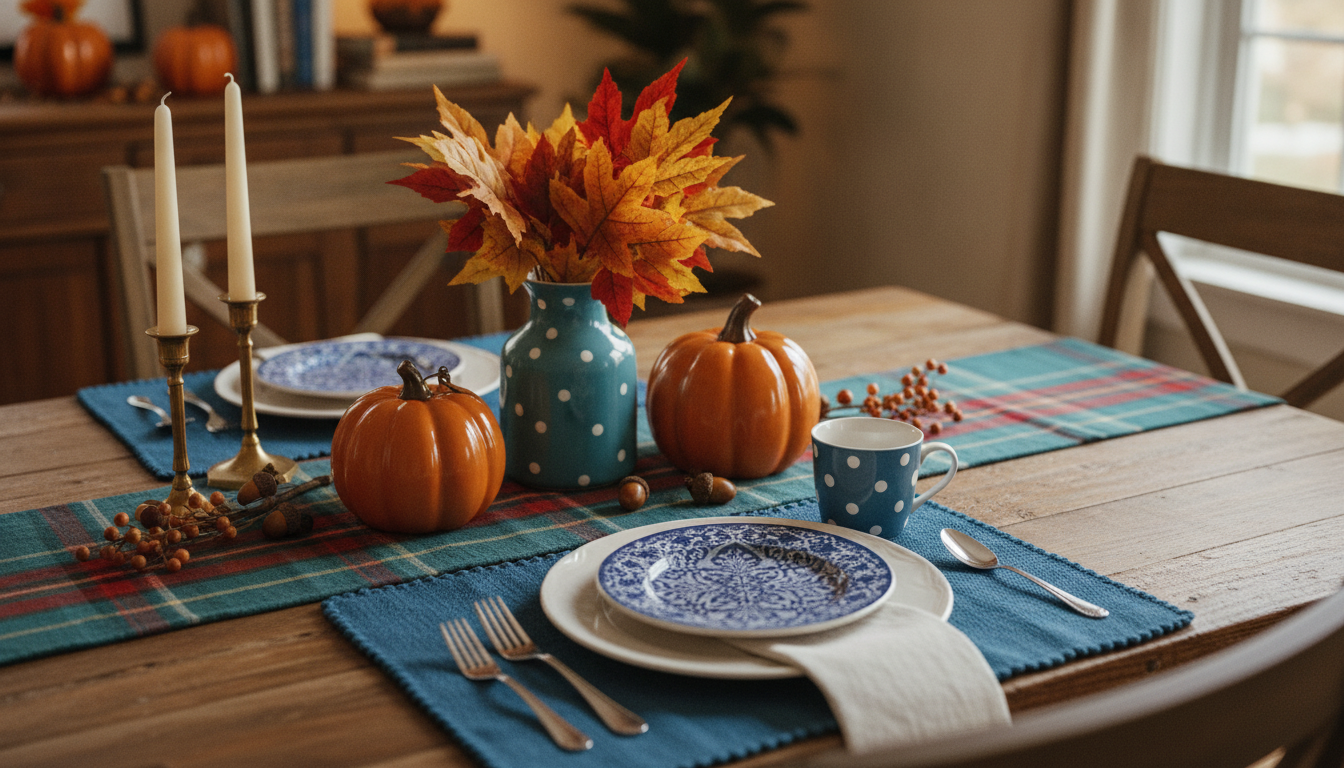
Start With a Simple Plan (So the Table Looks Cohesive)
A budget-friendly fall tablescape looks “designed” when it follows a simple plan. Before shopping, decide the vibe you want—rustic harvest, modern neutral, cozy cottage, or classic Thanksgiving—then narrow your choices so you’re not buying extras to make mismatched pieces work.
- Choose a 3-color palette: one neutral (cream, tan, gray), one warm tone (rust, amber, burgundy), and one dark anchor (espresso, forest, charcoal).
- Pick one hero piece: runner, centerpiece, or place settings. Let only one star of the show keep costs (and clutter) down.
- Set a spending cap: put most of it toward reusable basics like a runner, candles, and cloth napkins.
- Measure your table + guest count: a centerpiece that’s too wide forces last-minute purchases (and awkward serving).
| Budget Level | Best Splurge | What to DIY/Thrift | Overall Look |
|---|---|---|---|
| $0–$15 | A pack of taper candles or a small pumpkin set | Foraged leaves, branches, books as risers, mismatched napkins | Natural, simple, charming |
| $15–$35 | Table runner or cloth napkins | Thrifted vessels, DIY centerpiece, printable place cards | Layered and intentional |
| $35–$60 | Runner + candle set or a statement bowl | Thrifted chargers, DIY leaf garland, reused glassware | Polished and host-ready |
Shop the House First: The Cheapest “New” Decor
Before buying anything, “shop” your kitchen cabinets and linen closet. Neutral basics and natural textures do most of the work in a fall tablescape—then you add a few seasonal details to make it feel autumnal.
- Pull neutral staples: white plates, clear glasses, serving boards, baskets, linen towels, wood accents.
- Look for texture: woven placemats, cutting boards, ceramic bowls, knit throws (even draped over a bench).
- Stick to your palette: if something doesn’t match, skip it instead of buying “supporting” items.
- Create height cheaply: use stacked books, inverted bowls, or cake stands to elevate décor you already own.
- Make a staging bin: gather options on the counter so assembling the table is quick and visual.
A Fall Tablescape Checklist (Essentials + Nice-to-Haves)
Think in layers: base → contained centerpiece → place settings → lighting → finishing touches. This keeps you from overbuying and helps the table feel complete sooner.
- Base layer: tablecloth or runner (kraft paper works great for casual dinners).
- Place settings: plates/bowls, flatware, glasses, napkins (cloth instantly elevates).
- Centerpiece foundation: tray, shallow bowl, or long board to “contain” the décor.
- Seasonal elements: mini pumpkins, pinecones, dried orange slices, apples/pears, wheat stems, faux leaves, or fresh greenery.
- Lighting: taper candles, votives, or warm string lights (hide the battery pack under the runner).
- Finishing details: name cards, simple menu card, cinnamon sticks, or a tied napkin sprig (rosemary/eucalyptus).
- Nice-to-haves: chargers, chair ties, napkin rings, or a sideboard vignette (only after the table is done).
Step-by-Step: Build the Table in 20 Minutes
This sequence keeps decisions simple and helps the table look intentional—even if the pieces are thrifted, foraged, or pulled from storage.
- Lay the base: center your runner or cloth and smooth it flat; even edges make everything look cleaner.
- Place the container: set a tray/board down the center so décor doesn’t spread everywhere (and cleanup is easier).
- Add height: place 2–3 taller items like candlesticks or a vase with branches, spaced out for rhythm.
- Fill the middle: add pumpkins, fruit, pinecones, or small leaf bunches; cluster in odd numbers (3, 5, 7).
- Add softness: tuck in greenery or faux leaf stems to connect items and hide gaps.
- Set each place: plate stack, napkin, flatware, glass—repeat the same order for a curated feel.
- Light it last: once candles are placed, step back and remove 10–20% if it looks crowded.
For seasonal produce that’s often affordable in fall (and doubles as décor), check the USDA Seasonal Produce Guide.
DIY Centerpiece Ideas That Look Expensive (But Aren’t)
- The “grocery store” centerpiece: a long board + pears/apples + a few mums in thrifted jars for an easy, abundant look.
- The candle cluster: mismatched thrifted candlesticks + tapers + scattered mini pumpkins for height and glow.
- The foraged runner: a thin strip of greenery or branches + pinecones + tea lights for a natural, woodland vibe.
- The bowl of harvest: a neutral bowl filled with gourds, pomegranates, and cinnamon sticks (pretty and subtly scented).
Tip: Keep the tallest element below eye level when seated so conversation stays easy.
If you’re using real candles, follow basic safety guidance like the NFPA candle safety tips—especially if your centerpiece includes dried leaves or greenery.
Place Settings on a Budget: Small Swaps, Big Impact
The Finishing Touches: Make It Feel Like Fall, Not Clutter
Printable Checklist Option for Faster Setup
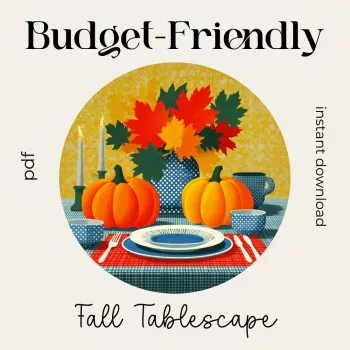
For a ready-to-use resource, see Budget-Friendly Fall Tablescape Checklist (Printable Guide).
Helpful Digital Guides (In Stock)
- Your Budget-Friendly Fall Tablescape Checklist | Printable Fall Decor Guide | DIY Autumn Table Setup | how to make a fall-themed tablescape on a budget
- Fearless & Femme: Unlock Your True Confidence | How to Be a Confident Woman Guide | Self-Esteem Workbook for Women PDF Download
FAQ
How can a fall tablescape look full without buying a lot of decor?
Use a confined base like a tray or long board, add height with candles or branches, then fill with inexpensive natural elements (fruit, leaves, pinecones) plus a little greenery. Finish with warm lighting and remove a few items so it still has breathing room.
What are the best low-cost fall colors that still feel elevated?
Stick to neutrals like cream and tan, then add one warm accent such as rust or amber and one deep anchor like espresso or forest. Repeating the accent color a few times makes the palette look intentional.
What is the simplest centerpiece for a small table?
A shallow bowl or small tray with 3–5 mini pumpkins and a single candle or a small votive cluster keeps it compact, seasonal, and easy to move when serving.
Recommended for you


1:20 RC Dump Truck Guide: Driving, Loads & Dumping
Jul 13, 2026









Leave a comment