-
Shop
- Adidas
- Advanced Technologies
- AI Skills Mastery 2026 Collection
- Best-Sellers
- Calvin Klein
- Car Accessories
- Confidence
- Dating & Social Skills
- Digital Resources
- AI & Technology
- AI Skills
- Beauty
- Budgeting & Saving
- Car Buying & Ownership
- Cozy Feast Collection
- Electronics & Technology
- Entrepreneurship & Business Growth
- Financial Education
- Financial Independence
- Financial Mindset & Psychology
- Goal Setting
- Hobbies
- Home Styling & Organization
- Kitchen & Recipes
- Leadership
- Mindset
- Online Business
- Parenting & Child Development
- Personal Style & Fashion
- Pet Lifestyle & Wellness
- Positive Thinking
- Sleep Improvement
- Stress Management & Relaxation
- Travel Planning
- Yoga & Fitness
- Yoga & Mind-Body Practices
- Education & Learning
- Family & Parenting
- Fashion
- Alexander McQueen
- Bags
- Bags & Wallets
- Balenciaga
- Belts
- Blazers
- Bottega Veneta
- Brunello Cucinelli
- Burberry
- Chanel
- Chloé
- Dior
- Dolce & Gabbana
- Dresses
- Etro
- Fendi
- Gucci
- Hats & Hair Accessories
- Hoodies & Sweatshirts
- Jacquemus
- Jewelry
- Jil Sander
- Keychains
- Kiton
- Luggage
- Miu Miu
- Off-White
- Prada
- Rick Owens
- Saint Laurent
- Socks & Tights
- Sweaters & Cardigans
- The Row
- Tom Ford
- Tops & Shirts
- Valentino
- Valentino Garavani
- Versace
- Vivienne Westwood
- Watches
- Furniture
- Gadgets
- Health & Beauty
- Health & Wellness
- Home & Garden
- Kids & Babies
- Kitchen
- Lighting
- Patio, Lawn & Garden
- Personal Growth
- Pet Care
- Pet Supplies
- Pets
- Shoes
- Smart Home Living Guides
- Sport & Outdoors
- Stress Relief & Relaxation
- TikTok Growth & Monetization Mastery
- Travel
- Travel & Adventure
- Wealth
- Wellness
- YouTube Shorts Best-Sellers
- Popular
- Best deals
1:20 RC Dump Truck Guide: Driving, Loads & Dumping
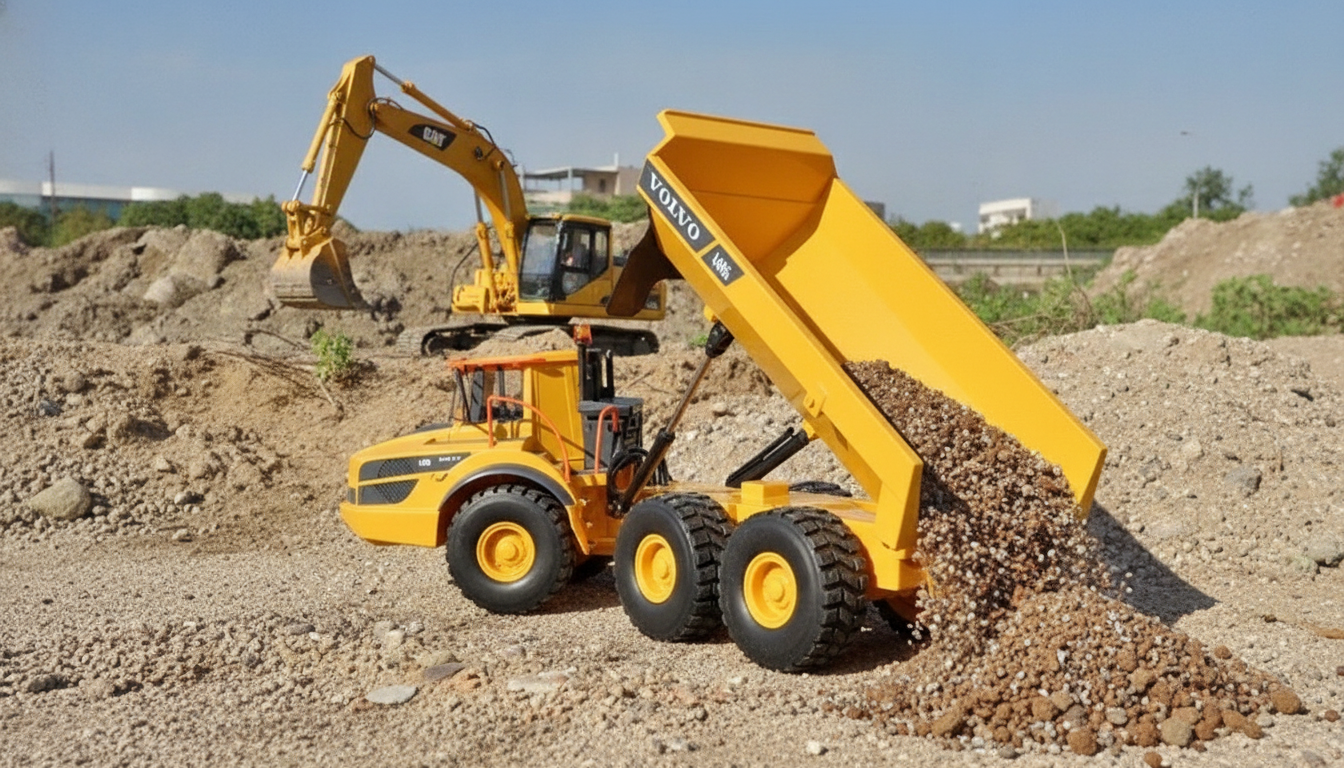
1:20 Scale Remote Control Dump Truck: What It’s Like to Drive, Load, and Tip
A scale dump truck is at its best when it feels predictable: smooth steering, controlled throttle, and a bed that tips reliably under load. A 1:20 scale remote control dump truck sits in a sweet spot for many homes—big enough to feel like a “real” work truck during hauling play, but compact enough to run routes in a living room, garage, or backyard without needing a massive build site. Below is what to expect from the driving feel, how it behaves on common surfaces, and the small habits that keep the dump action smooth over time.
What a 1:20 Dump Truck Brings to a Play Site
- Compact scale, flexible setup: 1:20 trucks fit indoor layouts (cones, books, cardboard ramps) and backyard “jobs” without taking over the whole space.
- Dump-bed action adds a second task loop: It’s not just driving laps—drive, load, haul, tip, and reset. That repeatable cycle is what makes construction play feel purposeful.
- Works with common materials: Sand, small gravel, dirt piles, mulch, and lightweight blocks all create satisfying loads and dumps.
- Construction realism without oversized weight: Great for anyone who wants a realistic construction routine without stepping up to very large, heavy models that need more storage and a bigger run area.
Key Parts That Affect Realism and Durability
Most frustrations with RC dump trucks come down to stability under load and how consistently the bed lifts and lowers. A quick checklist helps set expectations before the first “delivery.”
- Chassis and suspension: A steadier stance matters when you’re turning with cargo in the bed. The more controlled the body movement, the more confident the truck feels in tighter routes.
- Drive system and tires: Traction changes drastically between hard floors, compact soil, loose sand, and grass. Tire grip and drivetrain strength decide whether you crawl through a “job site” or spin in place.
- Dump mechanism consistency: Look for a lift that feels repeatable and a lowering action that doesn’t slam. Controlled lowering reduces spills and reduces stress on hinges and linkages.
- Controller feel and steering trim: Fine steering control makes lining up at a loading pile much easier. Good trim helps the truck track straight on long runs.
- Body materials and bed hinges: Tipping with cargo is repetitive by nature, so hinge points and the lifting linkage are the most common wear areas—especially if sand and grit get packed in.
Performance by Surface and Typical Use Cases
A 1:20 dump truck can feel like a different vehicle depending on where it’s running. Matching your “worksite” to the surface is the fastest way to keep play fun and reduce stuck wheels or rollovers.
- Hard floors: The easiest steering and typically the longest run time. Great for parking practice, loading-zone alignment, and obstacle courses made from household items.
- Packed dirt: A realistic blend of grip and slip. Ideal for making short “routes” between a pile and a dump zone, especially if the soil is relatively smooth.
- Sand: Extremely satisfying to haul and dump, but it increases rolling resistance. Keep loads lighter and use more frequent dumping cycles.
- Grass: Depends on grass height and tire grip. Short grass is usually manageable; taller grass can drag the chassis and sap power quickly.
- Drive style matters: Smooth throttle and wider turns reduce tip-over risk—especially if the bed is raised or the load is shifting.
Quick guide to loads and handling
| Material | Best practice | Handling notes |
|---|---|---|
| Dry sand | Use smaller scoops and tip frequently | Heavier resistance; keep speed moderate |
| Small pebbles/gravel | Avoid overfilling; keep bed level while driving | Shifting weight can affect steering |
| Dirt/soil | Pack lightly; shake off clumps before tipping | Generally stable on packed ground |
| Mulch | Haul larger volume but lighter weight | Bulky loads may spill on tight turns |
| Blocks/toys | Drive slowly and align straight before dumping | Easy cleanup and repeat play |
Operating Tips for Better Dumping and Fewer Rollovers
Battery, Run Time, and Practical Maintenance
For general toy safety guidelines—especially if younger kids will be around moving parts—review ASTM F963 toy safety specifications and the CPSC toy safety resources.
Featured Model: 1:20 Scale Remote Control Dump Truck
1:20 Scale Remote Control Dump Truck (check current availability and pricing before ordering)
Good Pairings and Play Ideas
Related in-stock picks
- Fearless & Femme: Unlock Your True Confidence | How to Be a Confident Woman Guide | Self-Esteem Workbook for Women PDF Download
- Why Do Kids Suck Their Thumbs – A Gentle Parenting Guide Explaining Kids Thumb Sucking, Habits, Emotions & Practical Solutions
FAQ
What’s the best material to haul in a small RC dump truck?
Dry sand, light soil, mulch, and small blocks are great choices because they pour and dump predictably. Keep loads modest, and avoid wet, sticky mud that can cling to the bed and strain the lifting mechanism.
Can it be used on grass and uneven ground?
Yes, but results vary: short grass and packed dirt are typically much easier than tall grass or very bumpy terrain. Use smoother throttle inputs, keep loads lighter, and keep the bed lowered while turning to reduce tip-over risk.
How can the dump bed be kept working smoothly over time?
Clear sand and grit from the hinge and linkage after outdoor runs, avoid chronic overloading, and store the truck clean and dry. If dumping starts to feel rough or uneven, check the hinge area for debris and inspect hardware for loosening.
Recommended for you


Emotional Intelligence Tools to Calm Anxiety Fast
Jul 12, 2026
Budget Fall Tablescape: 20-Min Setup + DIY Checklist
Jul 13, 2026













Leave a comment