-
Shop
- Adidas
- Advanced Technologies
- AI Skills Mastery 2026 Collection
- Best-Sellers
- Calvin Klein
- Car Accessories
- Confidence
- Dating & Social Skills
- Digital Resources
- AI & Technology
- AI Skills
- Beauty
- Budgeting & Saving
- Car Buying & Ownership
- Cozy Feast Collection
- Electronics & Technology
- Entrepreneurship & Business Growth
- Financial Education
- Financial Independence
- Financial Mindset & Psychology
- Goal Setting
- Hobbies
- Home Styling & Organization
- Kitchen & Recipes
- Leadership
- Mindset
- Online Business
- Parenting & Child Development
- Personal Style & Fashion
- Pet Lifestyle & Wellness
- Positive Thinking
- Sleep Improvement
- Stress Management & Relaxation
- Travel Planning
- Yoga & Fitness
- Yoga & Mind-Body Practices
- Education & Learning
- Family & Parenting
- Fashion
- Alexander McQueen
- Bags
- Bags & Wallets
- Balenciaga
- Belts
- Blazers
- Bottega Veneta
- Brunello Cucinelli
- Burberry
- Chanel
- Chloé
- Dior
- Dolce & Gabbana
- Dresses
- Etro
- Fendi
- Gucci
- Hats & Hair Accessories
- Hoodies & Sweatshirts
- Jacquemus
- Jewelry
- Jil Sander
- Keychains
- Kiton
- Luggage
- Miu Miu
- Off-White
- Prada
- Rick Owens
- Saint Laurent
- Socks & Tights
- Sweaters & Cardigans
- The Row
- Tom Ford
- Tops & Shirts
- Valentino
- Valentino Garavani
- Versace
- Vivienne Westwood
- Watches
- Furniture
- Gadgets
- Health & Beauty
- Health & Wellness
- Home & Garden
- Kids & Babies
- Kitchen
- Lighting
- Patio, Lawn & Garden
- Personal Growth
- Pet Care
- Pet Supplies
- Pets
- Shoes
- Smart Home Living Guides
- Sport & Outdoors
- Stress Relief & Relaxation
- TikTok Growth & Monetization Mastery
- Travel
- Travel & Adventure
- Wealth
- Wellness
- YouTube Shorts Best-Sellers
- Popular
- Best deals
Best Professional Cordless Hair Clippers: What to Buy
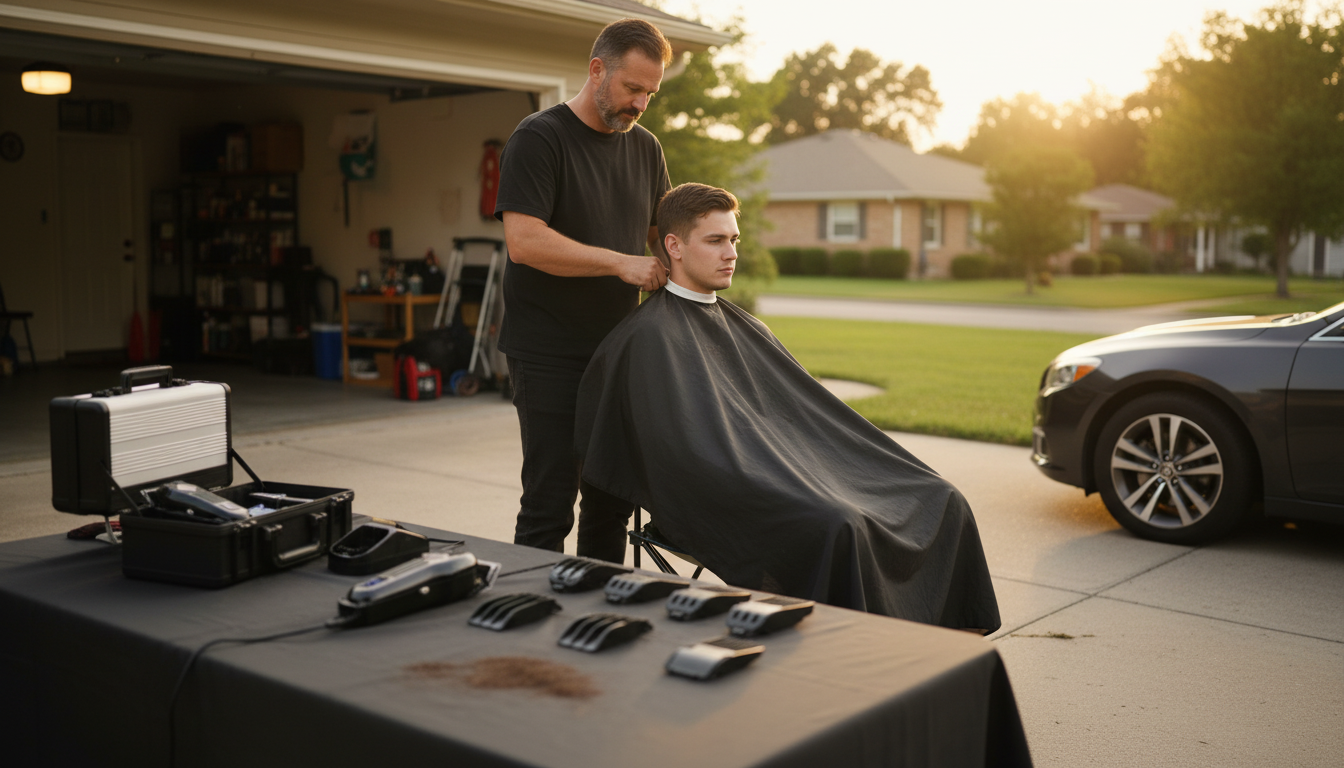
What are the best professional cordless hair clippers?
The best professional cordless hair clippers combine consistent cutting power, long battery life, sharp blades that stay cool, and a body that feels stable in the hand during all-day use. Pros also look for easy blade maintenance, strong motor torque for dense or coarse hair, and a lever that blends smoothly for fades.
For most barbers and serious at-home cutters, “best” usually means a cordless clipper that can run through bulk removal without snagging, then clean up tapers and blends without leaving lines. Durable housing, a reliable charging setup, and readily available replacement blades are also big deal-breakers when a tool is used week after week.
What to look for in a pro-grade cordless clipper
Motor performance: A strong motor matters more than a long feature list. High torque helps prevent pulling when you hit thicker sections or beard growth.
Battery + charging: Aim for solid runtime and a battery that doesn’t fade quickly over months. A charging stand or corded/cordless flexibility is helpful for busy schedules.
Blade quality: Self-sharpening or premium steel blades cut cleaner and stay smoother longer. Look for easy tool-free blade swaps if you like changing to fade or taper blades.
Ergonomics: Balanced weight, a grippy finish, and a lever that moves predictably help with control during fades and detail work.
Quick picks by use case
All-around clipper for fades and bulk: Choose a model known for steady power and a smooth taper lever, plus a complete guard set.
Heavy-duty cutting on coarse hair: Prioritize torque and blade sharpness over ultra-lightweight designs.
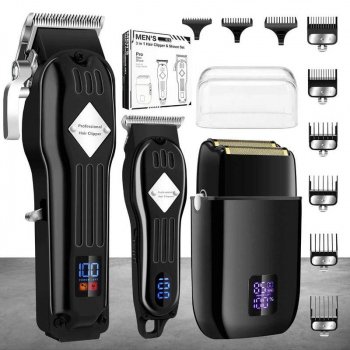
Home “pro results” kit: A clipper + trimmer combo can cover head hair, edging, and beard detailing with fewer tools.
For a deeper breakdown of what to buy, how to compare cordless clipper kits, and what features actually matter, visit this cordless hair clipper and beard trimmer kit guide.
FAQ
How do you maintain cordless hair clippers?
Brush out loose hair after every cut, oil the blades lightly, and disinfect per the manufacturer’s instructions. Replace or sharpen blades when cutting starts to feel slower or louder, and keep vents clear to reduce overheating.
Recommended for you
Silicone Teether Glove Guide: Fit, Safety & Cleaning
Jul 27, 2026
Crime London Men’s Sneakers: Fit, Style & Care Guide
Jul 28, 2026













Leave a comment