-
Shop
- Adidas
- Advanced Technologies
- AI Skills Mastery 2026 Collection
- Best-Sellers
- Calvin Klein
- Car Accessories
- Confidence
- Dating & Social Skills
- Digital Resources
- AI & Technology
- AI Skills
- Beauty
- Budgeting & Saving
- Car Buying & Ownership
- Cozy Feast Collection
- Electronics & Technology
- Entrepreneurship & Business Growth
- Financial Education
- Financial Independence
- Financial Mindset & Psychology
- Goal Setting
- Hobbies
- Home Styling & Organization
- Kitchen & Recipes
- Leadership
- Mindset
- Online Business
- Parenting & Child Development
- Personal Style & Fashion
- Pet Lifestyle & Wellness
- Positive Thinking
- Sleep Improvement
- Stress Management & Relaxation
- Travel Planning
- Yoga & Fitness
- Yoga & Mind-Body Practices
- Education & Learning
- Family & Parenting
- Fashion
- Alexander McQueen
- Bags
- Bags & Wallets
- Balenciaga
- Belts
- Blazers
- Bottega Veneta
- Brunello Cucinelli
- Burberry
- Chanel
- Chloé
- Dior
- Dolce & Gabbana
- Dresses
- Etro
- Fendi
- Gucci
- Hats & Hair Accessories
- Hoodies & Sweatshirts
- Jacquemus
- Jewelry
- Jil Sander
- Keychains
- Kiton
- Luggage
- Miu Miu
- Off-White
- Prada
- Rick Owens
- Saint Laurent
- Socks & Tights
- Sweaters & Cardigans
- The Row
- Tom Ford
- Tops & Shirts
- Valentino
- Valentino Garavani
- Versace
- Vivienne Westwood
- Watches
- Furniture
- Gadgets
- Health & Beauty
- Health & Wellness
- Home & Garden
- Kids & Babies
- Kitchen
- Lighting
- Patio, Lawn & Garden
- Personal Growth
- Pet Care
- Pet Supplies
- Pets
- Shoes
- Smart Home Living Guides
- Sport & Outdoors
- Stress Relief & Relaxation
- TikTok Growth & Monetization Mastery
- Travel
- Travel & Adventure
- Wealth
- Wellness
- YouTube Shorts Best-Sellers
- Popular
- Best deals
Track Fitness Goals with Gadgets: A Practical Guide
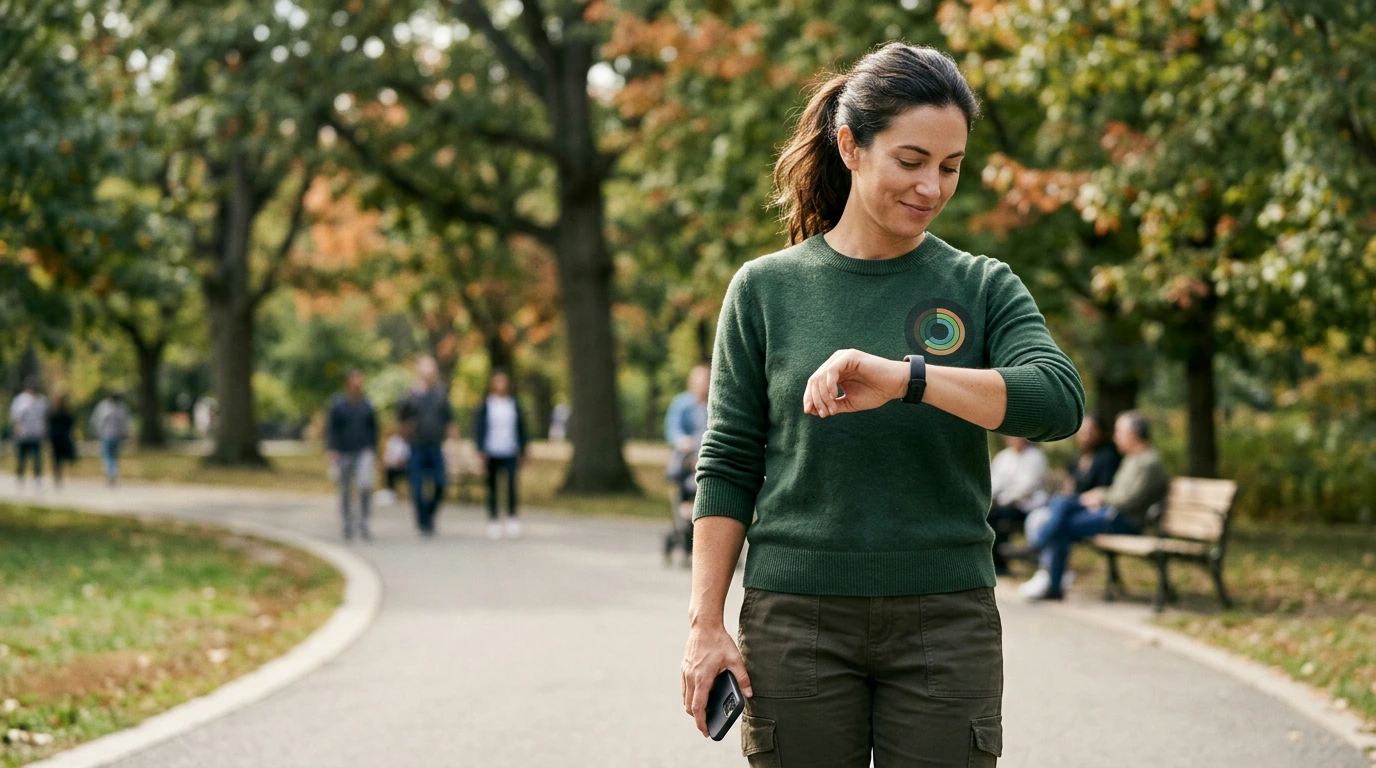
Fitness data can help you turn a good intention into a routine you can repeat. The trick is to track information that supports your goal, rather than collecting every number your phone or wearable offers. Our smart fitness tracking eBook gives you a starting point for using wearables, apps, and technology to stay motivated.
Start with a goal you can track
Choose a goal that describes an action you can take. “Walk for 20 minutes after lunch on four days each week” gives you a clearer plan than simply deciding to be more active. If you want to build a workout routine, you might start by scheduling two sessions a week and recording whether you complete them.
Next, select one or two measurements that match your goal. For a walking habit, completed walks and minutes spent walking may be enough. Give yourself a realistic period, such as four weeks, before deciding whether the plan needs to change.
Your starting numbers are a baseline, not a verdict on your fitness. They help you see where you are today and choose a next step that fits your schedule and abilities. For general guidance on activity, explore the CDC’s physical activity basics.
Match your gadget to your goal
You don’t need to buy a new device to start tracking. A phone app can count steps or record workouts, while a calendar can show how often you follow through. A wearable may be convenient if you prefer automatic estimates throughout the day. A simple notebook works well when you want to record duration, exercises, and how a session felt without another notification.
| Goal | What to track | Possible tool |
|---|---|---|
| Move more | Steps or active minutes | Phone app or wearable |
| Build consistency | Completed workout days | Calendar or fitness app |
| Improve endurance | Workout duration and perceived effort | Wearable or workout log |
| Support recovery | Sleep patterns and rest days | Sleep app or wearable |
Choose the option you’ll actually use. If you already carry your phone on walks, its built-in activity features may be a practical first choice. If you leave your phone behind, a wearable or a quick note afterward may suit you better. For endurance sessions, adding a brief description such as “comfortable” or “challenging” can give context to the time you recorded.
Make your numbers useful
Set a reminder for a time when you can act on it, rather than one that interrupts a busy part of your day. You might schedule a walk alert just before lunch or add a calendar reminder to log a workout after you finish. Consistent entries make your weekly review more useful, even if they are brief.
Once a week, look for patterns. Did you complete more walks on days you planned ahead? Were shorter workouts easier to fit in than longer ones? Use what you learn to adjust the coming week. A lower number on one day does not erase the work you have done.
Remember that device measurements are estimates and can vary by device and activity. Use them as general guidance, not as a diagnosis. If your schedule, energy, or needs change, revise your target so it remains useful. For example, you could switch from tracking workout length to tracking completed sessions during a particularly busy month.
Stay motivated without tracking everything
Celebrate milestones that reflect the habit you’re building: completing your planned walks for a week, returning to a workout after a break, or logging consistently for a month. A simple progress chart or calendar streak can make those small wins visible, but it doesn’t have to become a daily test.
Keep rest days in your plan, and let a missed target be information rather than a reason to quit. If a reminder becomes annoying, change its timing or turn it off. If a chart makes you focus on daily fluctuations, check it less often. The best tracking routine leaves room for your life outside the numbers.
Privacy matters, too. Review an app’s permissions before sharing location or health information, and revisit its privacy settings as your needs change. The FTC’s guide to health apps and privacy offers questions to consider before you share personal data.
Explore our smart fitness tracking eBook
If you want a starting point for bringing these ideas together, our smart fitness tracking eBook is a digital guide to using wearables, apps, and technology to support your motivation. It is listed at $14.99 USD; visit the product page for current purchase details.
Our team also knows that a routine often starts with getting ready to leave the house. If you want an everyday carry option, our Elegant Casual Leather Tote Bag for Everyday Style is another option to explore. Start with one goal, choose a tracking method you can maintain, and build from there.
FAQ
Do I need a wearable to track fitness goals?
No. A phone app, calendar, or workout log can track useful habits; a wearable is one possible option.
How often should I review my fitness progress?
A weekly review can reveal trends while giving daily measurements room to vary. Adjust the schedule to suit your goal.
Are fitness tracker measurements always accurate?
No. Measurements are estimates and can vary by device and activity. Use trends for general guidance rather than treating readings as a diagnosis.
Recommended for you


4K GPS Quadcopter Drone: Features and Flight Tips
Nov 21, 2026
30 Days of Hobby Challenges: Make Time to Create
Nov 22, 2026













Leave a comment