-
Shop
- Adidas
- Advanced Technologies
- AI Skills Mastery 2026 Collection
- Best-Sellers
- Calvin Klein
- Car Accessories
- Confidence
- Dating & Social Skills
- Digital Resources
- AI & Technology
- AI Skills
- Beauty
- Budgeting & Saving
- Car Buying & Ownership
- Cozy Feast Collection
- Electronics & Technology
- Entrepreneurship & Business Growth
- Financial Education
- Financial Independence
- Financial Mindset & Psychology
- Goal Setting
- Hobbies
- Home Styling & Organization
- Kitchen & Recipes
- Leadership
- Mindset
- Online Business
- Parenting & Child Development
- Personal Style & Fashion
- Pet Lifestyle & Wellness
- Positive Thinking
- Sleep Improvement
- Stress Management & Relaxation
- Travel Planning
- Yoga & Fitness
- Yoga & Mind-Body Practices
- Education & Learning
- Family & Parenting
- Fashion
- Alexander McQueen
- Bags
- Bags & Wallets
- Balenciaga
- Belts
- Blazers
- Bottega Veneta
- Brunello Cucinelli
- Burberry
- Chanel
- Chloé
- Dior
- Dolce & Gabbana
- Dresses
- Etro
- Fendi
- Gucci
- Hats & Hair Accessories
- Hoodies & Sweatshirts
- Jacquemus
- Jewelry
- Jil Sander
- Keychains
- Kiton
- Luggage
- Miu Miu
- Off-White
- Prada
- Rick Owens
- Saint Laurent
- Socks & Tights
- Sweaters & Cardigans
- The Row
- Tom Ford
- Tops & Shirts
- Valentino
- Valentino Garavani
- Versace
- Vivienne Westwood
- Watches
- Furniture
- Gadgets
- Health & Beauty
- Health & Wellness
- Home & Garden
- Kids & Babies
- Kitchen
- Lighting
- Patio, Lawn & Garden
- Personal Growth
- Pet Care
- Pet Supplies
- Pets
- Shoes
- Smart Home Living Guides
- Sport & Outdoors
- Stress Relief & Relaxation
- TikTok Growth & Monetization Mastery
- Travel
- Travel & Adventure
- Wealth
- Wellness
- YouTube Shorts Best-Sellers
- Popular
- Best deals
30 Days of Hobby Challenges: Make Time to Create
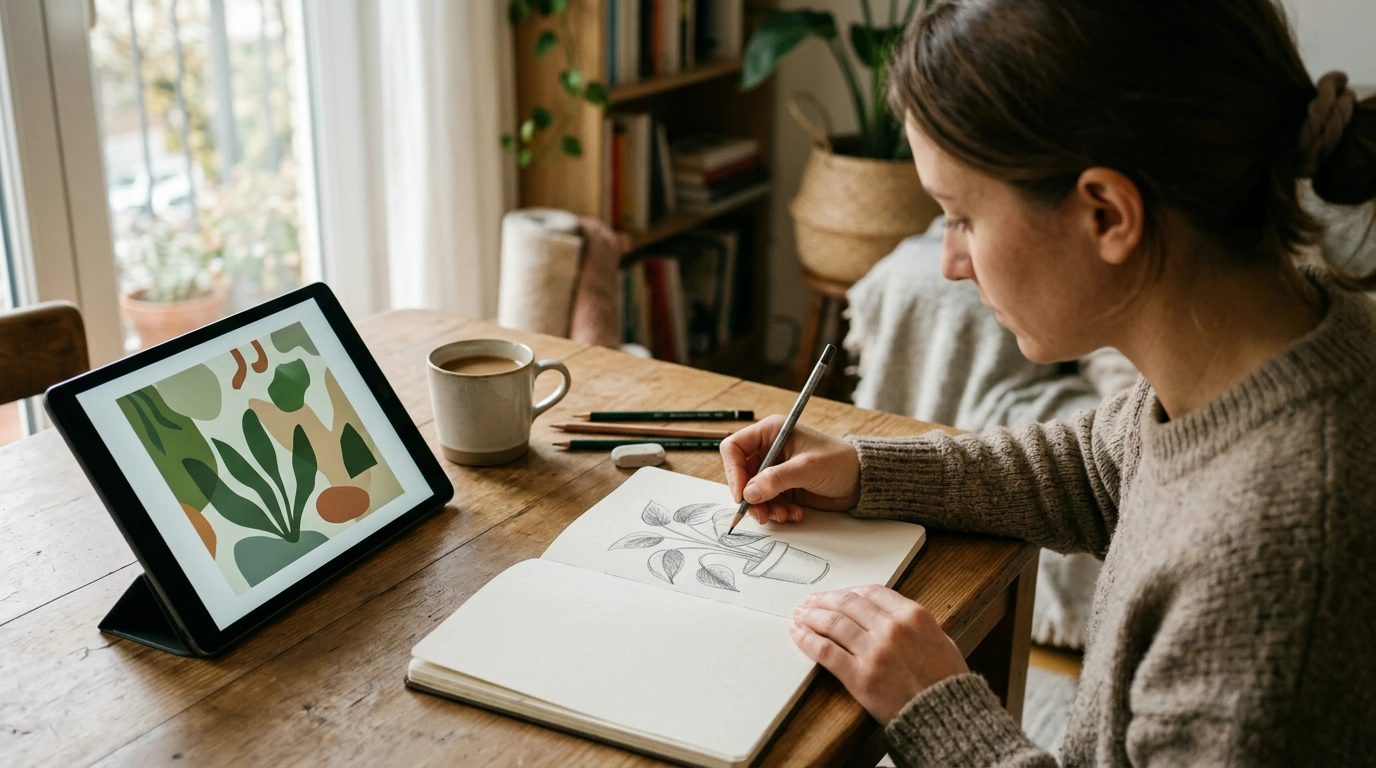
A creative month does not have to mean making a masterpiece every day. It can be as simple as giving an activity you enjoy a little room in your schedule and seeing where that time takes you. Some days you might feel eager to experiment; on others, a few quiet minutes may be enough.
Our 30 Days of Hobby Challenges digital guide offers an inviting starting point for making creativity part of your month. Choose a hobby, set a goal that fits your life, and let practice matter more than perfection.
Give Your Hobby a Place in Your Day
Thirty days provides a useful window for returning to an interest you have set aside or exploring one that has caught your attention. A defined time frame can make the idea of starting feel less overwhelming: you are not committing to a lifelong routine, just making space to see what you enjoy.
Our 30 Days of Hobby Challenges digital guide is a digital download designed around skill-building, motivation, and focus. It is listed at $23.99. You can use a creative month as an opportunity to explore your own interests without putting pressure on yourself to reach a particular result.
Before you begin, consider when you tend to have a little breathing room. Your creative time might fit before work, during a lunch break, or after dinner. The best place for it is the one you can return to comfortably.
Choose a Hobby and Set a Manageable Goal
Start with an activity that genuinely appeals to you. Then consider what it needs: a quiet corner, a few basic materials, access to an instrument, or a surface where you can work. A hobby that fits your available space and time is easier to pick up when your day gets busy.
For example, you might sketch with a pencil and notebook, write a short scene, or practice a few notes on an instrument. These are ideas for your personal challenge, not a list of activities or prompts included in the guide. You can also return to something familiar that you have not made time for lately.
Give yourself a modest goal, such as setting aside ten minutes on most days. If that feels too demanding after the first week, shorten your sessions or choose fewer practice days. A goal should help you begin, not become another reason to feel behind.
Build a Rhythm That Works for You
Pairing hobby time with something already in your day can make it easier to remember. You could sketch after your morning coffee or write a few lines before you settle in for the evening. The National Institutes of Health’s guide to making habits stick offers more ideas for building routines around everyday behavior.
Prepare the basics ahead of time, too. Leave a notebook where you can see it, keep writing materials together, or place your instrument somewhere convenient. If you like to carry a small project between home and another workspace, our Elegant Casual Leather Tote Bag for Everyday Style is an option for keeping personal items together.
The following table is one illustrative approach to a creative month. It is not a description of the guide’s contents, and you can change the timing or focus to suit your hobby.
| Period | Possible focus | Simple action |
|---|---|---|
| Days 1–7 | Get started | Make time to explore the hobby |
| Days 8–14 | Build familiarity | Repeat a practice you enjoyed |
| Days 15–21 | Try a variation | Experiment with a different approach |
| Days 22–30 | Reflect | Notice progress and choose what to continue |
After a session, jot down one brief note about what felt enjoyable or worth revisiting. You might record a color combination you liked, a sentence you want to develop, or a passage you enjoyed playing. A few words are enough to give you a starting point next time.
Keep Going When Motivation Changes
Some days will leave more room for creativity than others. If you miss a day, there is no need to treat it as a failure or make up for it immediately. Return when you can, and adjust your plan to match what is happening in your life.
When time or attention is limited, make the session smaller. Draw one object instead of filling a page, write for five minutes instead of half an hour, or play through one short exercise. A small session can keep the activity approachable without turning it into a chore.
As you practice, notice more than developing skills. Pay attention to whether you enjoyed the process, found a comfortable rhythm, or returned to the hobby more often than before. Our team encourages you to value those moments alongside any finished work.
Continue Beyond the 30 Days
At the end of your month, look back through your notes or anything you made. Is there an activity you looked forward to, a technique you want to try again, or a time of day that worked especially well? You can use those observations to shape what comes next.
Schedule another practice session, set a fresh personal goal, or make a short list of ideas to explore when you have time. You do not need to keep the same pace forever. The point is to make room for a creative interest in a way that continues to feel worthwhile to you.
Whenever you are ready to begin, explore our 30 Days of Hobby Challenges guide and make the month your own.
FAQ
Do I need experience to start a hobby challenge?
No. You can begin with an approachable activity and a manageable personal goal, then adjust as you learn what you enjoy.
What if I miss a day of the challenge?
Return when you can and adapt your schedule to your circumstances. A missed day does not mean you have failed.
Is the 30 Days of Hobby Challenges guide a physical product?
No. The guide is listed as a digital download.
Recommended for you



Track Fitness Goals with Gadgets: A Practical Guide
Nov 22, 2026













Leave a comment