-
Shop
- Adidas
- Advanced Technologies
- AI Skills Mastery 2026 Collection
- Best-Sellers
- Calvin Klein
- Car Accessories
- Confidence
- Dating & Social Skills
- Digital Resources
- AI & Technology
- AI Skills
- Beauty
- Budgeting & Saving
- Car Buying & Ownership
- Cozy Feast Collection
- Electronics & Technology
- Entrepreneurship & Business Growth
- Financial Education
- Financial Independence
- Financial Mindset & Psychology
- Goal Setting
- Hobbies
- Home Styling & Organization
- Kitchen & Recipes
- Leadership
- Mindset
- Online Business
- Parenting & Child Development
- Personal Style & Fashion
- Pet Lifestyle & Wellness
- Positive Thinking
- Sleep Improvement
- Stress Management & Relaxation
- Travel Planning
- Yoga & Fitness
- Yoga & Mind-Body Practices
- Education & Learning
- Family & Parenting
- Fashion
- Alexander McQueen
- Bags
- Bags & Wallets
- Balenciaga
- Belts
- Blazers
- Bottega Veneta
- Brunello Cucinelli
- Burberry
- Chanel
- Chloé
- Dior
- Dolce & Gabbana
- Dresses
- Etro
- Fendi
- Gucci
- Hats & Hair Accessories
- Hoodies & Sweatshirts
- Jacquemus
- Jewelry
- Jil Sander
- Keychains
- Kiton
- Luggage
- Miu Miu
- Off-White
- Prada
- Rick Owens
- Saint Laurent
- Socks & Tights
- Sweaters & Cardigans
- The Row
- Tom Ford
- Tops & Shirts
- Valentino
- Valentino Garavani
- Versace
- Vivienne Westwood
- Watches
- Furniture
- Gadgets
- Health & Beauty
- Health & Wellness
- Home & Garden
- Kids & Babies
- Kitchen
- Lighting
- Patio, Lawn & Garden
- Personal Growth
- Pet Care
- Pet Supplies
- Pets
- Shoes
- Smart Home Living Guides
- Sport & Outdoors
- Stress Relief & Relaxation
- TikTok Growth & Monetization Mastery
- Travel
- Travel & Adventure
- Wealth
- Wellness
- YouTube Shorts Best-Sellers
- Popular
- Best deals
Separation Anxiety in Dogs vs. Cats: What to Know
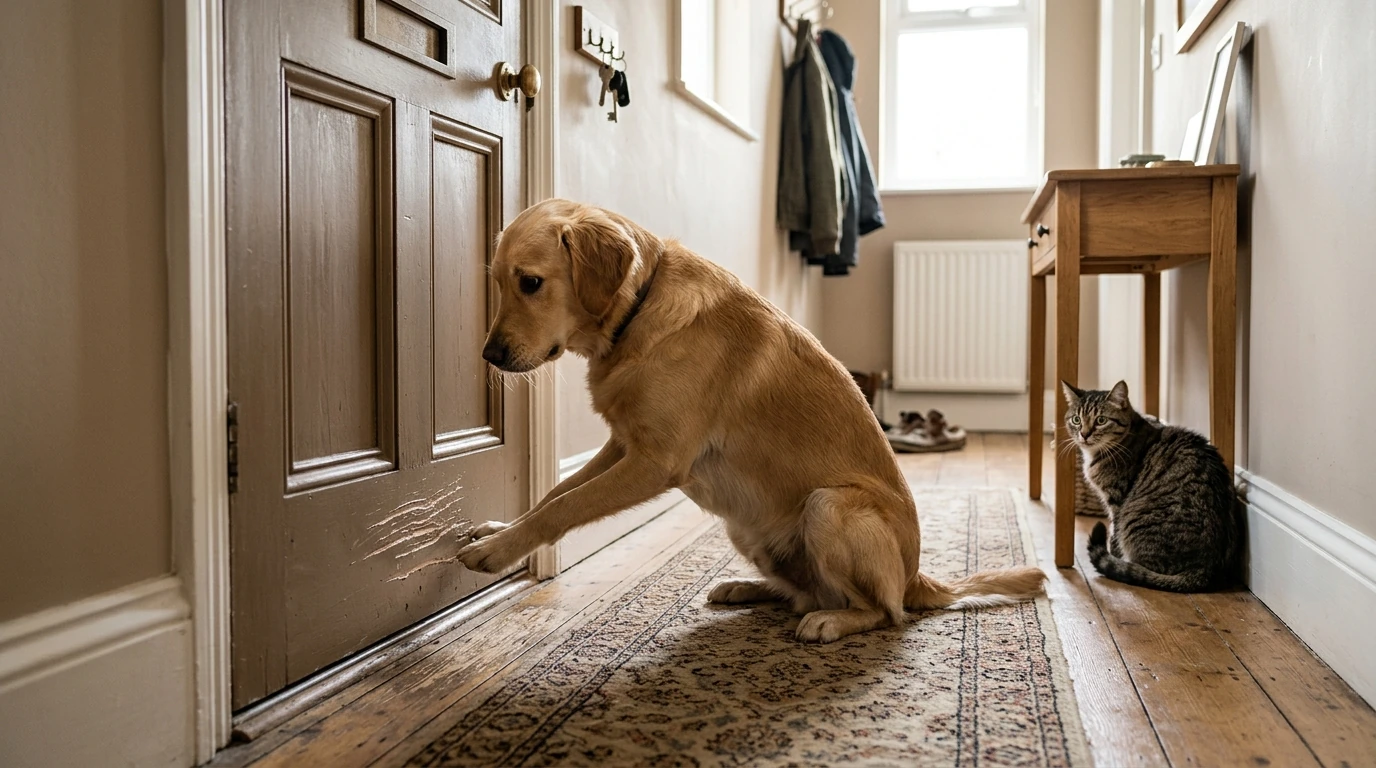
Do dogs have more separation anxiety than cats?
Dogs are more often reported to have separation anxiety, but that does not necessarily mean cats experience it less. Dogs’ distress when left alone has been studied and recognized more widely, while anxiety in cats may be less obvious or go unnoticed. Comparisons are difficult because studies may use different definitions and methods.
Dogs with separation-related distress may bark or howl, pace, damage doors, or have accidents soon after their person leaves. Cats may vocalize, stop eating, hide, urinate outside the litter box, or become unusually clingy. These behaviors can also have medical or environmental causes, so they are not proof of anxiety on their own.
Look for a repeated pattern tied to departures or time alone, and note when the behavior starts and how long it lasts. A veterinarian can help rule out health problems and recommend next steps. Avoid punishing a pet for distress; it can increase fear without addressing the cause.
Behavior can change for many reasons, including a move, a new schedule, or changes in the household. For more signs to watch for in both species, read the guide to early behavior changes in dogs and cats.
For Separation Anxiety in Dogs vs. Cats: What to Know, the best answer depends on fit, material, care instructions, and how the product will be used day to day.
Checking those details first helps avoid a poor match and keeps the choice practical after delivery.
For Separation Anxiety in Dogs vs. Cats: What to Know, the best answer depends on fit, material, care instructions, and how the product will be used day to day.
Checking those details first helps avoid a poor match and keeps the choice practical after delivery.
For Separation Anxiety in Dogs vs. Cats: What to Know, the best answer depends on fit, material, care instructions, and how the product will be used day to day.
FAQ
What are signs of separation anxiety in cats?
Possible signs include excessive vocalizing, hiding, appetite changes, litter box accidents, or unusually intense attention-seeking when you return. If these behaviors are new or persistent, consult a veterinarian to check for medical causes and discuss support.















Leave a comment