-
Shop
- Adidas
- Advanced Technologies
- AI Skills Mastery 2026 Collection
- Best-Sellers
- Calvin Klein
- Car Accessories
- Confidence
- Dating & Social Skills
- Digital Resources
- AI & Technology
- AI Skills
- Beauty
- Budgeting & Saving
- Car Buying & Ownership
- Cozy Feast Collection
- Electronics & Technology
- Entrepreneurship & Business Growth
- Financial Education
- Financial Independence
- Financial Mindset & Psychology
- Goal Setting
- Hobbies
- Home Styling & Organization
- Kitchen & Recipes
- Leadership
- Mindset
- Online Business
- Parenting & Child Development
- Personal Style & Fashion
- Pet Lifestyle & Wellness
- Positive Thinking
- Sleep Improvement
- Stress Management & Relaxation
- Travel Planning
- Yoga & Fitness
- Yoga & Mind-Body Practices
- Education & Learning
- Family & Parenting
- Fashion
- Alexander McQueen
- Bags
- Bags & Wallets
- Balenciaga
- Belts
- Blazers
- Bottega Veneta
- Brunello Cucinelli
- Burberry
- Chanel
- Chloé
- Dior
- Dolce & Gabbana
- Dresses
- Etro
- Fendi
- Gucci
- Hats & Hair Accessories
- Hoodies & Sweatshirts
- Jacquemus
- Jewelry
- Jil Sander
- Keychains
- Kiton
- Luggage
- Miu Miu
- Off-White
- Prada
- Rick Owens
- Saint Laurent
- Socks & Tights
- Sweaters & Cardigans
- The Row
- Tom Ford
- Tops & Shirts
- Valentino
- Valentino Garavani
- Versace
- Vivienne Westwood
- Watches
- Furniture
- Gadgets
- Health & Beauty
- Health & Wellness
- Home & Garden
- Kids & Babies
- Kitchen
- Lighting
- Patio, Lawn & Garden
- Personal Growth
- Pet Care
- Pet Supplies
- Pets
- Shoes
- Smart Home Living Guides
- Sport & Outdoors
- Stress Relief & Relaxation
- TikTok Growth & Monetization Mastery
- Travel
- Travel & Adventure
- Wealth
- Wellness
- YouTube Shorts Best-Sellers
- Popular
- Best deals
AI Meal Planning Bundle for Balanced Weeks (4-in-1 Kit)

Balanced Nutrition Kit with AI-Based Goal Tracking: a 4-in-1 Digital Meal Planning Bundle for Consistent Weeks
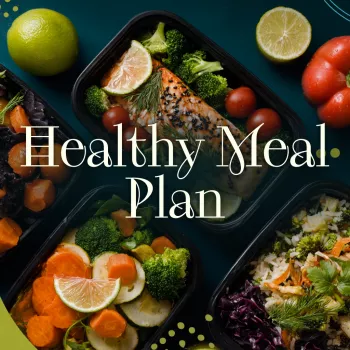
A structured meal planning system can remove daily guesswork by pairing balanced meal templates with goal tracking that updates as habits, schedules, and targets change. Instead of starting from scratch every morning, a digital plan helps keep meals repeatable, groceries predictable, and progress measurable—even when workweeks get hectic or training blocks shift. The Balanced Nutrition Kit with AI-Based Goal Tracking is built around practical planning tools plus adaptive tracking so nutrition stays consistent across busy weeks, performance goals, or health-focused routines.
What the 4-in-1 bundle is designed to do
- Turn nutrition goals into clear daily targets that are easy to follow.
- Support balanced meal planning with repeatable templates and adjustable portions.
- Track progress over time so calorie, macro, and habit targets stay realistic.
- Reduce decision fatigue by streamlining grocery lists and weekly schedules.
Rather than relying on rigid “perfect days,” the bundle emphasizes patterns: a dependable plan you can repeat, adjust, and sustain. If you’d like an evidence-based reference point for what “balanced” typically includes, the Dietary Guidelines for Americans and MyPlate offer simple, widely used frameworks.
Who it fits best
- People who want structure without rigid dieting rules.
- Busy professionals who benefit from pre-planned meals and automated tracking.
- Fitness-focused users who want consistent protein, carbs, and fats day to day.
- Households coordinating meals across different preferences and schedules.
- Anyone building long-term habits like regular meal timing, hydration, and mindful portions.
This approach is especially helpful for “in-between” situations: eating well most days, but struggling with late meetings, travel weeks, or the common cycle of great Mondays and messy Thursdays. A plan plus trend-based tracking keeps the week from drifting off course.
How AI-based goal tracking can improve consistency
- Adjusts targets based on recent adherence rather than forcing unrealistic jumps.
- Highlights trends (missed breakfasts, low fiber days, inconsistent protein) that are hard to notice manually.
- Encourages small course-corrections: portion tweaks, snack swaps, or meal timing changes.
- Creates accountability by showing progress in measurable checkpoints.
Examples of goal tracking metrics and what they help with
| Metric tracked | What it indicates | Typical adjustment |
|---|---|---|
| Average daily calories | Energy balance over time | Increase or decrease portions across main meals |
| Protein consistency | Muscle support and satiety patterns | Add a protein-forward breakfast or snack |
| Fiber intake | Digestive support and fullness | Swap refined grains for whole grains, add legumes/berries |
| Meal timing regularity | Routine stability and hunger swings | Set a consistent lunch window and prep options |
| Hydration habit | Recovery and appetite signals | Schedule reminders and pair water with meals |
What a balanced week can look like with a digital plan
- Start with a weekly structure: 2–3 breakfast options, 3–4 lunch/dinner rotations, and flexible snacks.
- Build plates around protein + high-fiber carbs + colorful produce + healthy fats.
- Use portion scaling for different days (training vs. rest, long workdays vs. weekends).
- Batch prep core ingredients (grains, proteins, chopped vegetables) to mix-and-match quickly.
- Plan for real life: one or two convenience meals that still fit targets.
Rotation is the secret to consistency. When your week includes repeatable “default meals,” the plan holds even if dinner plans change or you only have 10 minutes for lunch. A digital system also makes it easier to keep grocery buying aligned with what you’ll actually eat—so healthy choices are available when energy and time are low.
How to set goals that stay sustainable
- Choose one primary outcome goal (weight change, performance, energy, or consistency) and 2–3 behavior goals.
- Set a realistic pacing: small weekly changes are more maintainable than aggressive shifts.
- Prioritize protein and fiber first; these often improve satiety and meal quality without complex rules.
- Leave flexibility for social meals by planning “buffer” meals or snacks earlier in the day.
- Reassess every 2–4 weeks using tracking trends rather than one-off days.
Behavior goals are often the glue that holds everything together. Examples include “eat breakfast within 90 minutes of waking,” “include a fruit or vegetable at two meals,” or “hit a minimum protein target at lunch.” When those basics are consistent, calorie and macro targets become easier to manage without feeling obsessive.
Using the bundle day to day
- Pick a weekly target and confirm daily ranges for calories and macros (or focus metrics like protein and fiber first).
- Select meals from the planner, then generate a grocery list aligned to the week.
- Log outcomes consistently enough to spot patterns, not necessarily perfectly.
- Review progress at set intervals and let targets adapt based on adherence and results.
- Keep a short list of dependable meals for “low time” days to prevent skipping or oversnacking.
Product details and where to get it
- Balanced Nutrition Kit with AI-Based Goal Tracking | 4-in-1 Digital Meal Planning Bundle
- Price: $314.99 (USD)
- Availability: In stock
- Best for: building repeatable weekly meal plans with goal tracking and progress check-ins
FAQ
Is AI-based goal tracking useful if goals change often?
Yes. Trend-based updates can help targets adapt to shifting schedules, training blocks, or appetite changes while keeping core habits (like protein at meals or consistent meal timing) steady. Instead of restarting your plan, you refine it based on recent patterns.
Does digital meal planning work for families with different preferences?
It can work well by using a shared “base plan” (proteins, grains, vegetables) and letting each person customize with add-ons, sauces, or portion scaling. Rotating a few family favorites and keeping one flexible meal slot helps accommodate changing schedules.
What should be tracked first for better results without complexity?
Start with consistent meal timing plus one or two metrics such as protein, fiber, or hydration. Once those are steady, adding calories and macros can be useful if you need tighter control for a specific goal.















Leave a comment