-
Shop
- Adidas
- Advanced Technologies
- AI Skills Mastery 2026 Collection
- Best-Sellers
- Calvin Klein
- Car Accessories
- Confidence
- Dating & Social Skills
- Digital Resources
- AI & Technology
- AI Skills
- Beauty
- Budgeting & Saving
- Car Buying & Ownership
- Cozy Feast Collection
- Electronics & Technology
- Entrepreneurship & Business Growth
- Financial Education
- Financial Independence
- Financial Mindset & Psychology
- Goal Setting
- Hobbies
- Home Styling & Organization
- Kitchen & Recipes
- Leadership
- Mindset
- Online Business
- Parenting & Child Development
- Personal Style & Fashion
- Pet Lifestyle & Wellness
- Positive Thinking
- Sleep Improvement
- Stress Management & Relaxation
- Travel Planning
- Yoga & Fitness
- Yoga & Mind-Body Practices
- Education & Learning
- Family & Parenting
- Fashion
- Alexander McQueen
- Bags
- Bags & Wallets
- Balenciaga
- Belts
- Blazers
- Bottega Veneta
- Brunello Cucinelli
- Burberry
- Chanel
- Chloé
- Dior
- Dolce & Gabbana
- Dresses
- Etro
- Fendi
- Gucci
- Hats & Hair Accessories
- Hoodies & Sweatshirts
- Jacquemus
- Jewelry
- Jil Sander
- Keychains
- Kiton
- Luggage
- Miu Miu
- Off-White
- Prada
- Rick Owens
- Saint Laurent
- Socks & Tights
- Sweaters & Cardigans
- The Row
- Tom Ford
- Tops & Shirts
- Valentino
- Valentino Garavani
- Versace
- Vivienne Westwood
- Watches
- Furniture
- Gadgets
- Health & Beauty
- Health & Wellness
- Home & Garden
- Kids & Babies
- Kitchen
- Lighting
- Patio, Lawn & Garden
- Personal Growth
- Pet Care
- Pet Supplies
- Pets
- Shoes
- Smart Home Living Guides
- Sport & Outdoors
- Stress Relief & Relaxation
- TikTok Growth & Monetization Mastery
- Travel
- Travel & Adventure
- Wealth
- Wellness
- YouTube Shorts Best-Sellers
- Popular
- Best deals
Create a Calm Bedroom With Small, Simple Changes
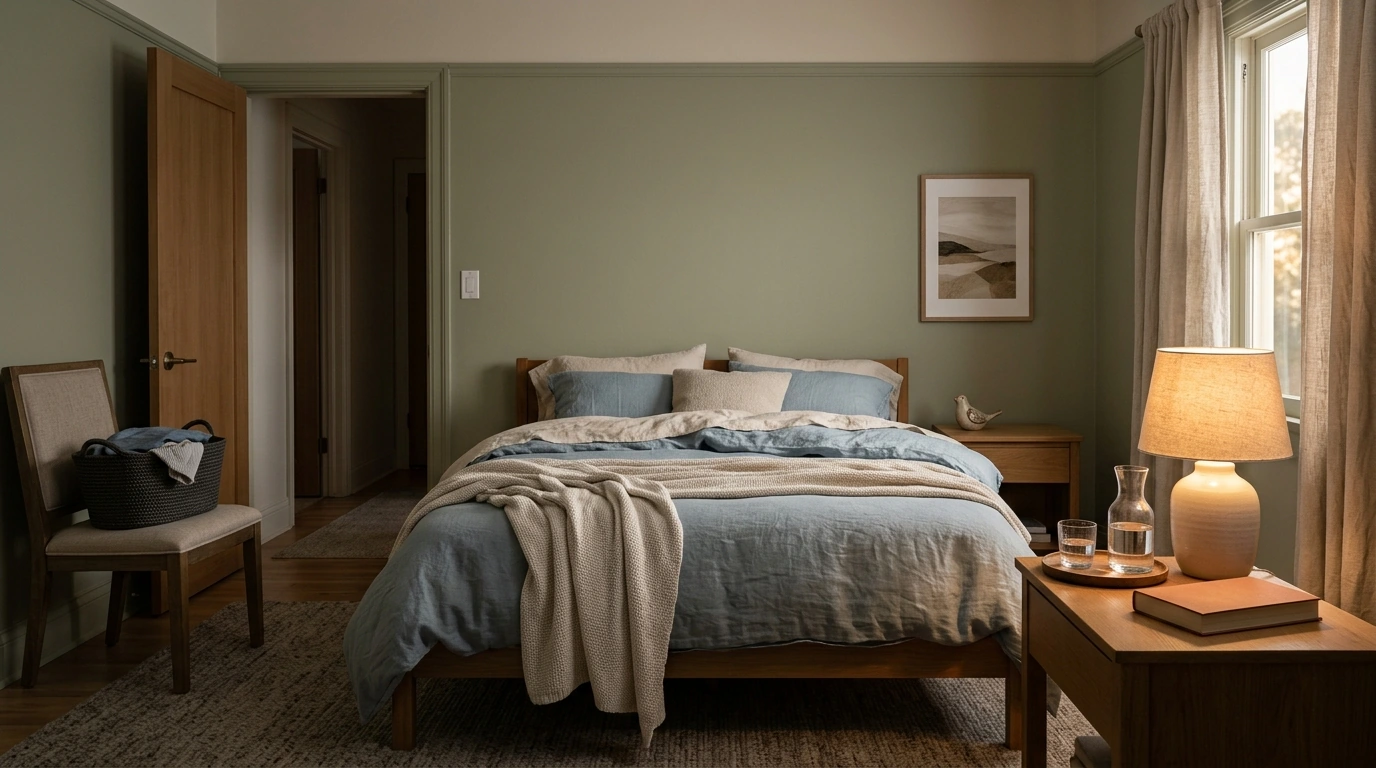
A calmer bedroom does not require a complete makeover. Clearing one surface, changing how you light the room, and making space for a quiet evening habit can all make it easier to settle in. We recommend starting with what you can do today, then keeping the changes that make your room more comfortable for you.
Start with what you see from the bed
Sit where you normally rest and look around. Is there one spot that catches your eye because it feels busy—a bedside table, a chair covered in clothes, or a crowded dresser? Choose that spot first. You do not need to organize the whole bedroom to notice an improvement.
Return a few things to their usual places, carry out anything that belongs in another room, and leave your bedside surface useful. You might want room for a lamp, a book, and a glass of water. You might need something different. The aim is not an empty room: a calm bedroom can still hold the objects, colors, and memories that make it yours.
| Area | Try this first | Keep it manageable |
|---|---|---|
| Bedside table | Clear away items outside your evening or morning routine. | Leave room for essentials you actually use. |
| Lighting | Choose a softer light for the hour before bed. | Adjust one light source first. |
| Clothing | Give worn and clean clothes separate places. | Reset the chair or floor for a few minutes each day. |
| Evening routine | Pick one quiet activity to repeat. | Start with five or ten minutes. |
Make lighting feel gentler in the evening
One bright overhead light gives you limited choice. Layered lighting lets you use the light you need for getting dressed or cleaning, then switch to a gentler option when you are winding down. If you already have a bedside lamp, try using it instead of the overhead fixture for part of the evening. Where your fixture and bulbs are compatible, dimming may offer another option. Curtains or shades can help when light from outside is distracting.
Pay attention to what feels comfortable rather than aiming for a particular look. Keep enough light to move around the room safely, especially along the path to the door. If you are considering a new overhead fixture, our Heart Shaped Crystal Ceiling Light is one design option; decide whether its style suits your space separately from how you plan to create softer evening light. An overhead fixture does not need to do every job in the room.
Declutter for ease, not perfection
A short reset can be more useful than an occasional, exhausting cleanout. Before bed, put away a few items, clear a walking path, and set aside a place for tomorrow’s essentials. Even two minutes counts if that is what you can manage. When an item repeatedly lands in the same inconvenient spot, consider whether it needs a more accessible home.
A laundry basket can keep clothes from collecting on a chair or the floor. A small tray can hold the bedside objects you reach for regularly without letting them spread across the whole surface. Use what you already have before buying organizers. Storage needs differ from room to room, and our goal is to make your bedroom easier to use—not to make it look unoccupied.
Choose a few comforting details
Start with comfort before decoration. Notice whether your bedding feels pleasant to you and whether the room’s temperature, noise, and light suit your needs. If one of those feels off, a small adjustment may matter more than adding another decorative object. The National Heart, Lung, and Blood Institute’s healthy sleep habits guidance also recommends a quiet, cool, dark sleep environment.
Keep the details you find meaningful, but give them room to be noticed. A favorite book or a few personal objects may feel more restful than filling every surface. The same goes for your evening activity: reading, gentle stretching, or taking a few quiet breaths can be enough. You do not need an elaborate ritual to make a transition from the day.
Build a routine you can return to
Try a simple sequence for several evenings: spend a few minutes resetting the room, switch to gentler lighting, and choose one screen-free activity if that feels helpful. Make the sequence short enough that you can return to it on an ordinary day, not just when you have extra time. The Centers for Disease Control and Prevention’s sleep guidance notes the value of consistent habits and a comfortable sleep environment.
After a few nights, ask yourself which step made the room easier to settle into. Keep that step and adjust anything that felt like work. If you want more ideas to explore, our Simple Ways to Create a Calm Bedroom ebook is a digital guide centered on bedroom atmosphere, decluttering, lighting, and relaxation. You can begin without buying anything, then use the guide if you would welcome more inspiration as you make changes over time.
FAQ
How can I make my bedroom feel calmer without buying anything?
Clear one surface, put clothes in their places, and reduce visual clutter near the bed. Try a short evening reset using what you already own.
What should I change first in a cluttered bedroom?
Start with the area you notice most when getting into bed. Make one small, usable improvement before moving to another part of the room.
Does a calm bedroom need to be minimalist?
No. The goal is a space that feels comfortable and easy to use; favorite books, colors, and personal objects can remain.
Recommended for you



How to Style a Modern Handmade Rattan Floor Lamp
Oct 27, 2026










Leave a comment