-
Shop
- Adidas
- Advanced Technologies
- AI Skills Mastery 2026 Collection
- Best-Sellers
- Calvin Klein
- Car Accessories
- Confidence
- Dating & Social Skills
- Digital Resources
- AI & Technology
- AI Skills
- Beauty
- Budgeting & Saving
- Car Buying & Ownership
- Cozy Feast Collection
- Electronics & Technology
- Entrepreneurship & Business Growth
- Financial Education
- Financial Independence
- Financial Mindset & Psychology
- Goal Setting
- Hobbies
- Home Styling & Organization
- Kitchen & Recipes
- Leadership
- Mindset
- Online Business
- Parenting & Child Development
- Personal Style & Fashion
- Pet Lifestyle & Wellness
- Positive Thinking
- Sleep Improvement
- Stress Management & Relaxation
- Travel Planning
- Yoga & Fitness
- Yoga & Mind-Body Practices
- Education & Learning
- Family & Parenting
- Fashion
- Alexander McQueen
- Bags
- Bags & Wallets
- Balenciaga
- Belts
- Blazers
- Bottega Veneta
- Brunello Cucinelli
- Burberry
- Chanel
- Chloé
- Dior
- Dolce & Gabbana
- Dresses
- Etro
- Fendi
- Gucci
- Hats & Hair Accessories
- Hoodies & Sweatshirts
- Jacquemus
- Jewelry
- Jil Sander
- Keychains
- Kiton
- Luggage
- Miu Miu
- Off-White
- Prada
- Rick Owens
- Saint Laurent
- Socks & Tights
- Sweaters & Cardigans
- The Row
- Tom Ford
- Tops & Shirts
- Valentino
- Valentino Garavani
- Versace
- Vivienne Westwood
- Watches
- Furniture
- Gadgets
- Health & Beauty
- Health & Wellness
- Home & Garden
- Kids & Babies
- Kitchen
- Lighting
- Patio, Lawn & Garden
- Personal Growth
- Pet Care
- Pet Supplies
- Pets
- Shoes
- Smart Home Living Guides
- Sport & Outdoors
- Stress Relief & Relaxation
- TikTok Growth & Monetization Mastery
- Travel
- Travel & Adventure
- Wealth
- Wellness
- YouTube Shorts Best-Sellers
- Popular
- Best deals
Double-Ended Liner & Brow Brush for Sharp Wings
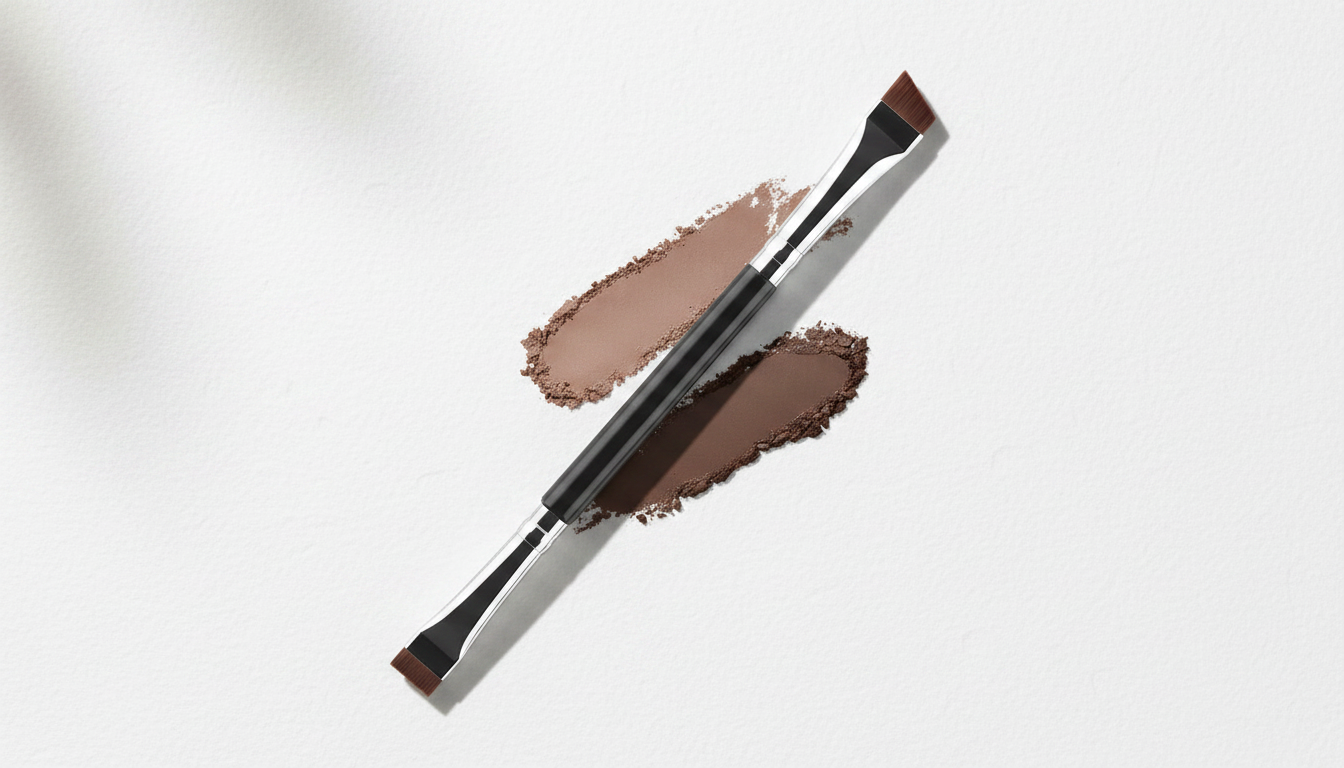
Double Head Eyeliner & Eyebrow Brush Set: Cleaner Lines, Fuller Brows
A double-ended eyeliner and eyebrow brush set streamlines daily makeup by pairing precision lining with controlled brow shaping in one compact tool. This type of brush is designed to help create crisp winged liner, tightline definition, and natural-looking brow strokes with better product placement and less waste—especially when working with gel, cream, pomade, or pressed powder formulas. For more guidance, see 4 Best Makeup Brushes of 2026, Tested by Experts.
If you’ve ever struggled with uneven wings, blocky brows, or product that skips as you apply, a dual-ended brush can make technique feel simpler because each end is built for a specific job. For a practical, budget-friendly pick, the Double Head Eyeliner & Eyebrow Brush Set is an easy add-on that keeps liner and brow steps in one place. For further reading, see Makeup Skills for Alopecia: Lashes, Base, and Contour with ….
What a Double-Ended Eye Brush Set Does Best
- Creates sharper eyeliner edges by concentrating pigment into a smaller working area than many applicators.
- Improves brow definition by guiding product through sparse areas without overfilling the front of the brow.
- Reduces the number of tools needed for everyday routines, gym bags, and travel kits.
- Supports multiple textures (gel, cream, powder) with the same handles for quick swaps.
- Helps keep placement controlled around sensitive areas like the lash line and tail of the brow.
Brush Ends and Their Typical Uses
Most double-ended sets pair a liner-focused brush with a brow-focused brush. The real advantage is consistency: once you learn how each end behaves, you can repeat the same shapes and pressure day after day.
- Angled liner end: ideal for winged liner, upper lash line definition, and stamping along the roots of lashes.
- Flat or angled brow end: useful for outlining the brow shape, filling the tail, and building a soft gradient toward the front.
- Short-stroke technique: mimics hair by placing tiny strokes rather than drawing one continuous block of color.
- Clean-edge technique: uses the brush edge to carve the lower brow line before blending upward.
- Tightline technique: presses pigment between lashes for fuller-looking lash density without a thick line.
Quick Routine: From Bare Brows to Polished Eyes
A simple sequence helps keep everything balanced. When brows are structured first, it’s easier to decide whether your liner should be subtle or bold.
- Prep: remove skincare residue from lids and brows; set with a light dusting of translucent powder if needed.
- Brows first: outline the lower brow line lightly, then fill the tail; soften the front with minimal product.
- Blend: use short, upward strokes to avoid harsh blocks; keep the brow head airy.
- Eyeliner: start thin at the inner corner, thicken gradually, then build the wing in small steps.
- Balance: if brows are bold, keep liner thinner; if liner is dramatic, keep brows more natural.
For extra control, load the brush with less product than you think you need. It’s easier to build definition than to remove it—especially with fast-setting gels or highly pigmented pomades.
Liner and Brow Formulas That Pair Well With These Brushes
The best formula depends on whether you want crisp edges, a soft haze, or long-wear structure. A double-ended brush makes it easier to switch textures without changing your whole toolkit.
- Gel eyeliner: offers saturated color and smooth glide; set quickly for longer wear.
- Cream eyeliner: blends easily for softer looks; build intensity in layers.
- Brow pomade: strong hold and definition; use a light hand to avoid overly sharp brows.
- Brow powder: softer and more forgiving; layer for depth through the tail.
- Soap/clear brow styling products: can be used after filling to lift and set hairs in place.
Choosing a Formula for the Finish You Want
| Goal | Best match | Application tip |
|---|---|---|
| Crisp winged liner | Gel eyeliner | Stamp the wing first, then connect with short strokes |
| Soft smoky liner | Cream eyeliner | Apply thinly, then smudge before it sets |
| Defined, long-wear brows | Brow pomade | Pick up a tiny amount; build the tail gradually |
| Natural everyday brows | Brow powder | Press product into sparse areas and fade the front |
Care, Cleaning, and How to Keep Lines Precise
Precision brushes only stay precise when the bristles remain clean and shaped. Residue is one of the most common reasons liner looks jagged or brows turn muddy.
- Clean frequently: gel and pomade residue can harden and cause skipping or uneven strokes.
- Spot-clean between steps: wipe on a clean tissue or brush cloth when switching shades or products.
- Deep-clean weekly if used daily: use a gentle brush cleanser or mild soap; rinse thoroughly.
- Dry correctly: reshape bristles and dry horizontally to help prevent water from loosening the ferrule.
- Replace when needed: persistent splaying, shedding, or loss of edge sharpness reduces precision.
A Practical, Budget-Friendly Option
In-Stock Picks to Round Out Your Kit
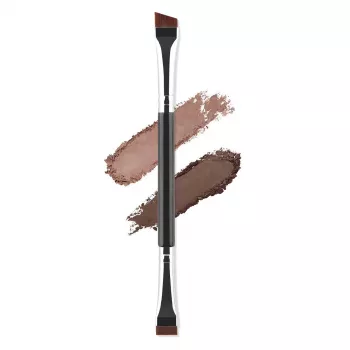
- Double Head Eyeliner & Eyebrow Brush Set — a compact, two-in-one brush for crisp liner placement and controlled brow filling.
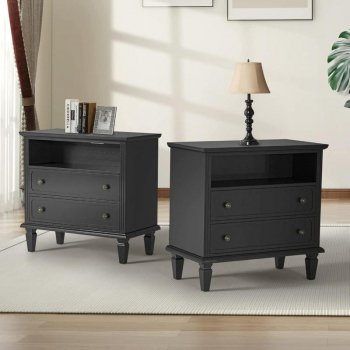
- Solid Wood Coffee Table with Storage Drawers — handy at-home storage for organizing everyday essentials (including beauty items) in a tidy space.
FAQ
Can a double-ended brush be used with both gel eyeliner and brow pomade?
Yes—use one end for liner and the other for brows, but wipe or spot-clean between products to prevent buildup and color transfer. Use minimal product for clean, controlled strokes.
How often should eyeliner and eyebrow brushes be cleaned?
If used with gels or pomades, spot-clean after each use and deep-clean about once a week for daily use. Powder-only use can be cleaned less often, but regular cleaning keeps edges crisp.
Why does eyeliner look jagged when using a brush?
Common causes include too much product, dried gel on the bristles, pressing too hard, or starting with a thick line. Clean the brush, use lighter pressure, and build in short strokes.













Leave a comment