-
Shop
- Adidas
- Advanced Technologies
- AI Skills Mastery 2026 Collection
- Best-Sellers
- Calvin Klein
- Car Accessories
- Confidence
- Dating & Social Skills
- Digital Resources
- AI & Technology
- AI Skills
- Beauty
- Budgeting & Saving
- Car Buying & Ownership
- Cozy Feast Collection
- Electronics & Technology
- Entrepreneurship & Business Growth
- Financial Education
- Financial Independence
- Financial Mindset & Psychology
- Goal Setting
- Hobbies
- Home Styling & Organization
- Kitchen & Recipes
- Leadership
- Mindset
- Online Business
- Parenting & Child Development
- Personal Style & Fashion
- Pet Lifestyle & Wellness
- Positive Thinking
- Sleep Improvement
- Stress Management & Relaxation
- Travel Planning
- Yoga & Fitness
- Yoga & Mind-Body Practices
- Education & Learning
- Family & Parenting
- Fashion
- Alexander McQueen
- Bags
- Bags & Wallets
- Balenciaga
- Belts
- Blazers
- Bottega Veneta
- Brunello Cucinelli
- Burberry
- Chanel
- Chloé
- Dior
- Dolce & Gabbana
- Dresses
- Etro
- Fendi
- Gucci
- Hats & Hair Accessories
- Hoodies & Sweatshirts
- Jacquemus
- Jewelry
- Jil Sander
- Keychains
- Kiton
- Luggage
- Miu Miu
- Off-White
- Prada
- Rick Owens
- Saint Laurent
- Socks & Tights
- Sweaters & Cardigans
- The Row
- Tom Ford
- Tops & Shirts
- Valentino
- Valentino Garavani
- Versace
- Vivienne Westwood
- Watches
- Furniture
- Gadgets
- Health & Beauty
- Health & Wellness
- Home & Garden
- Kids & Babies
- Kitchen
- Lighting
- Patio, Lawn & Garden
- Personal Growth
- Pet Care
- Pet Supplies
- Pets
- Shoes
- Smart Home Living Guides
- Sport & Outdoors
- Stress Relief & Relaxation
- TikTok Growth & Monetization Mastery
- Travel
- Travel & Adventure
- Wealth
- Wellness
- YouTube Shorts Best-Sellers
- Popular
- Best deals
How to Choose Foundation for Your Skin Tone
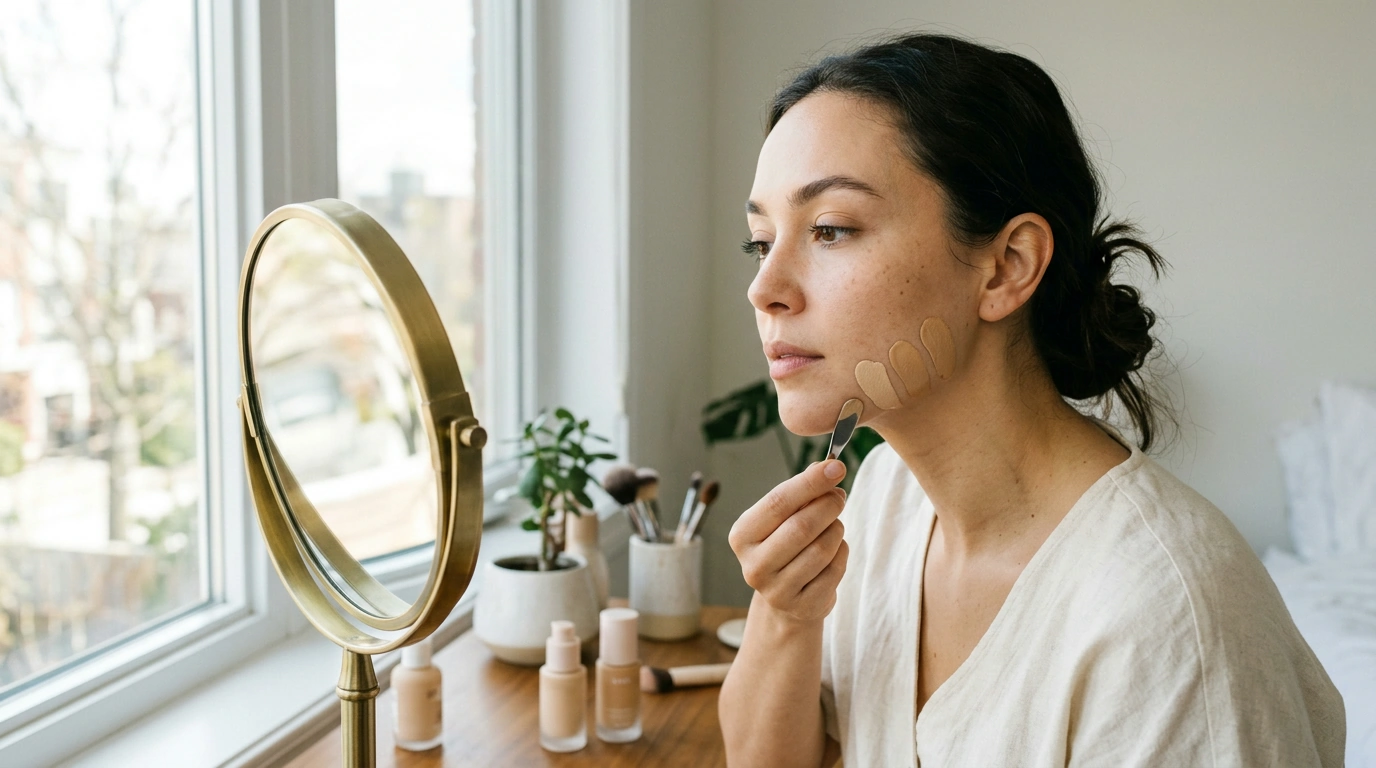
A foundation can look promising under store lights and surprisingly different once you step outside. The right match depends on more than the name on the bottle: your skin’s visible depth, undertone, the formula, and the lighting all influence the result. For more guidance, see Makeup Style Guide Checklist.
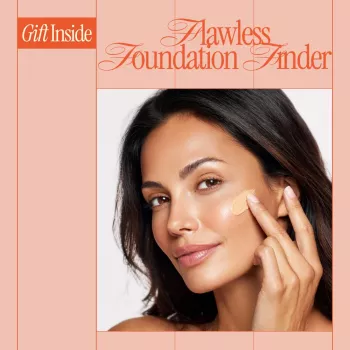
We recommend starting with a few simple comparisons rather than trying to identify a perfect shade from a label alone. Our Flawless Foundation Finder digital checklist offers a convenient starting point for keeping those comparisons organized, whether you are shopping for your first foundation or revisiting an old favorite. For further reading, see The best makeup books for beginners—separating hype ….
Start with Skin Tone and Undertone
Your skin tone is the visible depth of your skin, from fair to deep. Undertone is the subtler color beneath that surface appearance. Two people with a similar skin depth may find that different foundation shades look more natural because their undertones differ.
Warm, cool, and neutral are useful starting categories, but they are not rigid rules. Your skin may have a mix of qualities that does not fit neatly into one description. Foundation labels can help narrow your options, but the swatch itself is more useful than the name.
| Undertone | Common appearance | Foundation shades to explore |
|---|---|---|
| Warm | Golden or yellow tones | Shades labeled warm or golden |
| Cool | Pink or rosy tones | Shades labeled cool or rosy |
| Neutral | A balance of warm and cool tones | Shades labeled neutral |
Surface redness can make skin appear pinker, while a tan can change its visible depth. Indoor lighting may also cast a warm or cool tint. If you are unsure, compare several options instead of deciding your undertone from one feature or one glance in the mirror.
How to Test Foundation Shades
Choose two or three neighboring shades that look close to your skin depth. Apply small swatches along your jawline, where you can see how each shade relates to both your face and neck. Keep the swatches close enough to compare, but separate enough that their edges remain visible.
Let the foundation settle before making your decision. Some formulas can look different after they dry or wear for a short time. Then view the swatches in natural daylight, if possible, rather than relying only on bright overhead lights.
Look for the shade that blends most seamlessly into the surrounding skin. A good match should help create a smooth transition between your face and neck, not noticeably lighten your complexion or add warmth that is not already there. If none of the swatches disappears comfortably, try a nearby depth or a different undertone.
When you can, wear your preferred shade for a few hours before committing. Notice how it looks in different light and whether the finish still feels comfortable. A shade that seems right immediately may look different once the formula has settled.
Choose a Formula for Your Skin and Routine
Shade is only part of the decision. Coverage determines how much of your natural skin shows through, while finish describes the appearance of the product on your skin. A sheer, dewy foundation can offer a fresh-looking result, while a fuller-coverage, matte formula may create a more even, less reflective finish.
Think about what you enjoy wearing and how much time you want to spend applying it. If your skin often feels dry, a hydrating formula may feel more comfortable. If shine is your main concern, you might prefer a lighter formula or a matte finish. You can also choose coverage based on your routine: sheer foundation may suit a quick everyday application, while fuller coverage may appeal when you want a more polished look.
For an unfamiliar formula, read the product label and patch test before applying it widely, especially if your skin is sensitive. Stop using a product if it irritates your skin. The U.S. Food and Drug Administration’s cosmetics safety guidance offers additional information about using cosmetics safely.
Keep Your Search Organized
Before you shop, note the shades, undertones, and formulas you want to compare. Record where you tested each shade and how it looked in daylight after settling. A short note such as “slightly too warm” or “good depth, too pink” can make your next comparison easier.
Our Flawless Foundation Finder digital checklist is a $3.99 resource for shoppers seeking guidance on shade matching and undertones. Explore the product page to decide whether the checklist fits the way you like to shop.
If you like to bring your shopping notes and everyday essentials along, our Elegant Casual Leather Tote Bag for Everyday Style is another option to explore. The important part is keeping your shade notes accessible so you can compare your choices without relying on memory.
FAQ
Should foundation match my face or my neck?
Test foundation along your jawline and compare it with both your face and neck. Choose the shade that creates the most seamless transition.
What if I cannot tell my undertone?
Start with a neutral shade and compare it with warm and cool options in daylight. Labels vary between brands, so rely on how each swatch looks on your skin.
Can my foundation shade change during the year?
Yes. Sun exposure can change your visible skin tone, so checking your shade seasonally can help you maintain a natural-looking match.















Leave a comment