-
Shop
- Adidas
- Advanced Technologies
- AI Skills Mastery 2026 Collection
- Best-Sellers
- Calvin Klein
- Car Accessories
- Confidence
- Dating & Social Skills
- Digital Resources
- AI & Technology
- AI Skills
- Beauty
- Budgeting & Saving
- Car Buying & Ownership
- Cozy Feast Collection
- Electronics & Technology
- Entrepreneurship & Business Growth
- Financial Education
- Financial Independence
- Financial Mindset & Psychology
- Goal Setting
- Hobbies
- Home Styling & Organization
- Kitchen & Recipes
- Leadership
- Mindset
- Online Business
- Parenting & Child Development
- Personal Style & Fashion
- Pet Lifestyle & Wellness
- Positive Thinking
- Sleep Improvement
- Stress Management & Relaxation
- Travel Planning
- Yoga & Fitness
- Yoga & Mind-Body Practices
- Education & Learning
- Family & Parenting
- Fashion
- Alexander McQueen
- Bags
- Bags & Wallets
- Balenciaga
- Belts
- Blazers
- Bottega Veneta
- Brunello Cucinelli
- Burberry
- Chanel
- Chloé
- Dior
- Dolce & Gabbana
- Dresses
- Etro
- Fendi
- Gucci
- Hats & Hair Accessories
- Hoodies & Sweatshirts
- Jacquemus
- Jewelry
- Jil Sander
- Keychains
- Kiton
- Luggage
- Miu Miu
- Off-White
- Prada
- Rick Owens
- Saint Laurent
- Socks & Tights
- Sweaters & Cardigans
- The Row
- Tom Ford
- Tops & Shirts
- Valentino
- Valentino Garavani
- Versace
- Vivienne Westwood
- Watches
- Furniture
- Gadgets
- Health & Beauty
- Health & Wellness
- Home & Garden
- Kids & Babies
- Kitchen
- Lighting
- Patio, Lawn & Garden
- Personal Growth
- Pet Care
- Pet Supplies
- Pets
- Shoes
- Smart Home Living Guides
- Sport & Outdoors
- Stress Relief & Relaxation
- TikTok Growth & Monetization Mastery
- Travel
- Travel & Adventure
- Wealth
- Wellness
- YouTube Shorts Best-Sellers
- Popular
- Best deals
Litter Box Training: A Calm 7-Day Plan for Cats
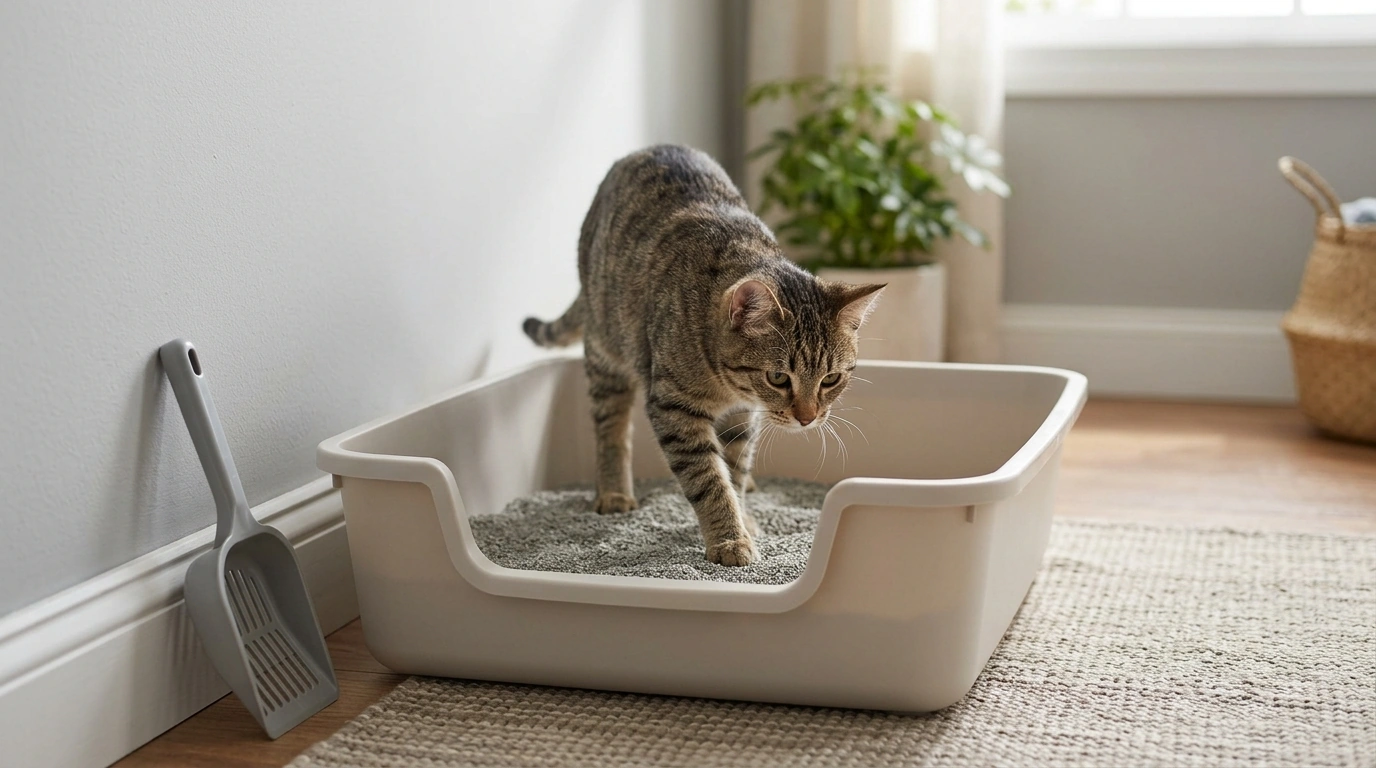
Start With the Right Setup
Litter box training goes smoothly when the box feels safe, easy, and “obvious” to your cat. Most accidents aren’t stubbornness—they’re a sign that something about the setup (location, cleanliness, or texture) doesn’t match what the cat naturally wants. For more guidance, see Feline litter box issues associate with cat personality, breed, and ….
- Pick a quiet, low-traffic spot where your cat can see an exit route. Avoid laundry rooms with loud cycles, busy hallways, or tight corners that feel like a dead end.
- Choose a box big enough for a full turn-around and comfortable digging. For large cats, a roomy storage-tote style pan can be more inviting than a standard box.
- Start with unscented litter. Many cats prefer a fine-grain clumping texture because it feels similar to sand under their paws.
- Stick with one litter and one box style during training. Frequent changes make it harder for your cat to form a reliable bathroom routine.
- Keep food and water well away from the litter area. Cats typically avoid eliminating near where they eat.
Quick Setup Checklist (What to Choose First)
| Item | Best for beginners | Common mistake to avoid |
|---|---|---|
| Litter type | Unscented clumping, fine texture | Strongly scented litter that repels sensitive cats |
| Box style | Open box with low entry (esp. kittens/seniors) | High walls or cramped boxes that discourage use |
| Location | Quiet, easy access, always available | Moving the box often or placing near loud machines |
| Cleaning routine | Scoop daily; full change as needed | Letting odors build up, then blaming “behavior” |
Day 1–3: Introduce the Litter Box Without Pressure
The goal for the first few days is comfort and familiarity—not perfection. Cats learn faster when the box feels like a normal part of the environment rather than a “training task.” For further reading, see Tips for Cat Owners | City of OKC.
- Show your cat where the box is right after arriving home and after naps. Gently set them in the box, then let them step out immediately if they want.
- Count sniffing, stepping in, or pawing once as progress. Reward calm investigation with a tiny treat or soft praise.
- After meals and energetic play, guide your cat toward the box. Many cats need to eliminate shortly after eating or activity.
- If your cat hops out right away, stay neutral. Repeated low-stress exposure works better than holding them in place.
Day 4–7: Build the Habit With a Simple Routine
By this stage, your cat should know where the box is. Now you’re creating a predictable rhythm that makes “box first” the default choice.
- Offer predictable opportunities: after waking, after meals, and before bedtime. Quietly escort your cat to the box and then give space.
- Learn early cues and redirect fast: sniffing corners, circling, a sudden crouch, tail twitching, or abruptly leaving play can all mean “I need to go.”
- Keep the box clean enough that your cat prefers it. Scoop at least once daily; twice daily is often better for kittens or multi-cat homes.
- If an accident happens, use an enzymatic cleaner so lingering odor doesn’t “mark” the spot as the next bathroom.
Troubleshooting: When a Cat Avoids the Box
If your cat was using the box and suddenly isn’t, treat it like a problem to solve—not a behavior to punish. A good troubleshooting plan looks at health, comfort, and stress in that order.
- Rule out discomfort first: constipation, diarrhea, painful urination, or frequent tiny pees can create box aversion quickly. If you see straining, blood, vocalizing, or repeated trips with little output, contact a veterinarian promptly.
- Fix box or litter “dislike”: try a larger box, lower entry, uncovered style, or a different unscented texture. Many cats refuse a box that feels cramped or sharp underfoot.
- Reduce stressors: new pets, visitors, schedule changes, construction noise, or a blocked route to the box can trigger avoidance. Restore calm access and predictable routines.
- Re-check the location: avoid dead ends and “ambush zones.” If another pet can corner your cat near the box, add a second box in a safer route.
- Re-train gently when needed: set up a safe room (food, water, bed, and a box) for 24–72 hours to rebuild the habit, then expand freedom gradually.
For deeper background on common litter box issues, these veterinary and welfare resources are helpful: ASPCA: Litter Box Problems, Cornell Feline Health Center: House Soiling in Cats, and AAHA: Litter Box Training and Common Cat Elimination Problems.
Multi-Cat Homes: Prevent Conflicts and Guarding
Common Mistakes That Slow Training
A Simple Step-by-Step Plan for Ongoing Success
Digital Guide for Pet Owners
- Litter Box Training Your Cat — Complete Step-by-Step Guide (Digital Download)
- Elegant Casual Leather Tote Bag for Everyday Style (a convenient way to carry treats, wipes, and small supplies between rooms during re-training)
FAQ
How long does litter box training usually take?
Many kittens pick it up within a few days with a good setup, while adult cats or rescues may need one to three weeks of consistent routines. Progress looks like repeated calm visits to the box, fewer “almost accidents,” and choosing the box after meals or naps.
What should be done if a cat keeps peeing outside the litter box?
Start with a vet check for urinary or digestive issues, then improve access (add a box, relocate to a quieter spot), use unscented litter, and clean accidents with an enzymatic cleaner. Reduce stressors and consider temporary re-training in a small safe room until the habit becomes reliable again.
Should a litter box be covered or uncovered?
Covered boxes can offer privacy, but they can also trap odors and make cats feel cornered—especially in multi-pet homes. During training, an uncovered box is usually easiest, and you can switch later only if your cat clearly prefers a lid.















Leave a comment