-
Shop
- Adidas
- Advanced Technologies
- AI Skills Mastery 2026 Collection
- Best-Sellers
- Calvin Klein
- Car Accessories
- Confidence
- Dating & Social Skills
- Digital Resources
- AI & Technology
- AI Skills
- Beauty
- Budgeting & Saving
- Car Buying & Ownership
- Cozy Feast Collection
- Electronics & Technology
- Entrepreneurship & Business Growth
- Financial Education
- Financial Independence
- Financial Mindset & Psychology
- Goal Setting
- Hobbies
- Home Styling & Organization
- Kitchen & Recipes
- Leadership
- Mindset
- Online Business
- Parenting & Child Development
- Personal Style & Fashion
- Pet Lifestyle & Wellness
- Positive Thinking
- Sleep Improvement
- Stress Management & Relaxation
- Travel Planning
- Yoga & Fitness
- Yoga & Mind-Body Practices
- Education & Learning
- Family & Parenting
- Fashion
- Alexander McQueen
- Bags
- Bags & Wallets
- Balenciaga
- Belts
- Blazers
- Bottega Veneta
- Brunello Cucinelli
- Burberry
- Chanel
- Chloé
- Dior
- Dolce & Gabbana
- Dresses
- Etro
- Fendi
- Gucci
- Hats & Hair Accessories
- Hoodies & Sweatshirts
- Jacquemus
- Jewelry
- Jil Sander
- Keychains
- Kiton
- Luggage
- Miu Miu
- Off-White
- Prada
- Rick Owens
- Saint Laurent
- Socks & Tights
- Sweaters & Cardigans
- The Row
- Tom Ford
- Tops & Shirts
- Valentino
- Valentino Garavani
- Versace
- Vivienne Westwood
- Watches
- Furniture
- Gadgets
- Health & Beauty
- Health & Wellness
- Home & Garden
- Kids & Babies
- Kitchen
- Lighting
- Patio, Lawn & Garden
- Personal Growth
- Pet Care
- Pet Supplies
- Pets
- Shoes
- Smart Home Living Guides
- Sport & Outdoors
- Stress Relief & Relaxation
- TikTok Growth & Monetization Mastery
- Travel
- Travel & Adventure
- Wealth
- Wellness
- YouTube Shorts Best-Sellers
- Popular
- Best deals
New Kitten First Days: Calm Setup & Stress-Help Plan
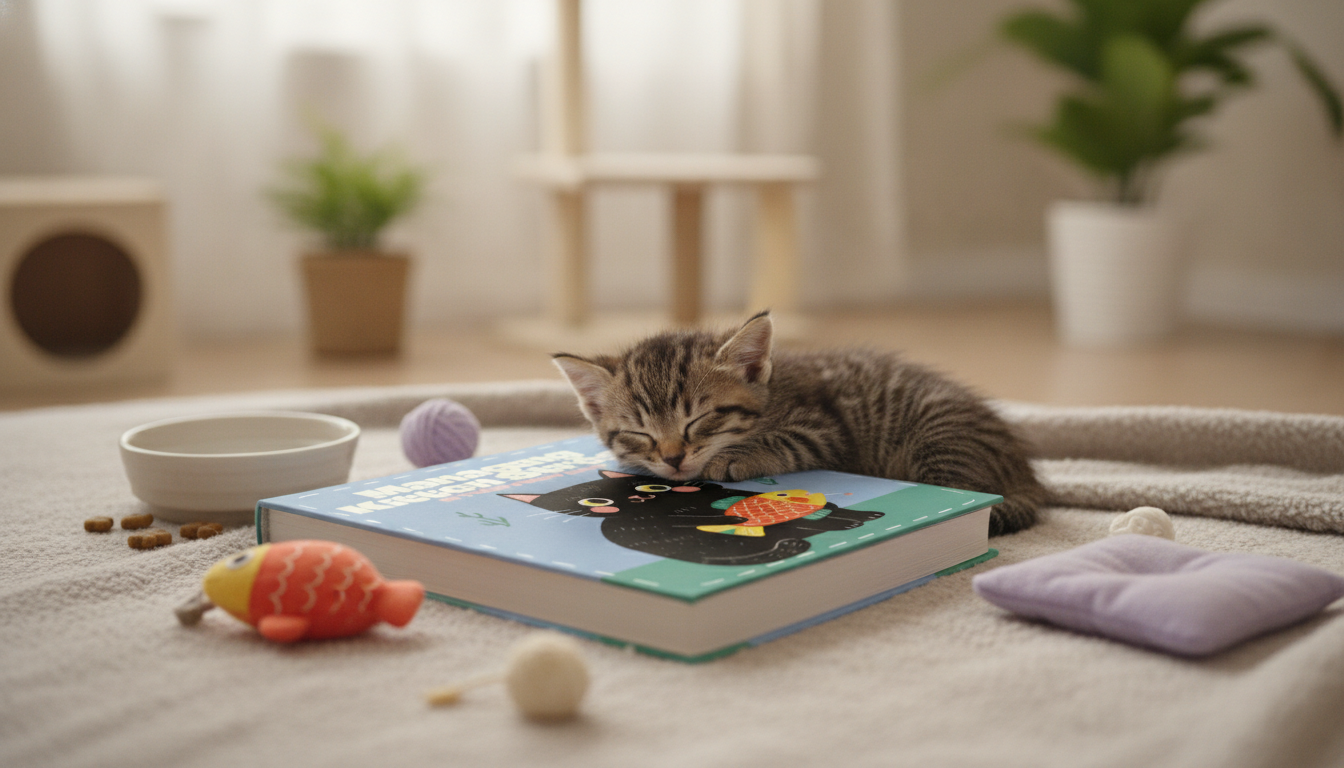
Calm & Curious: Helping a New Kitten Settle In During the First Days
The first days in a new home can feel overwhelming for a kitten: unfamiliar smells, new people, different sounds, and a sudden change in routine. A calm setup and a gentle, step-by-step approach can reduce stress, support confidence, and make socialization smoother for everyone.
What stress can look like in a kitten (and what it can mean)
Many “shy” behaviors are simply your kitten trying to feel safe. Common stress signals include hiding, freezing, a crouched posture, flattened ears, wide pupils, low appetite, vocalizing, excessive sleeping, or restless pacing. These can be normal during the first 24–72 hours, especially after a big transition.
Pay extra attention to litter box changes. Holding urine, accidents outside the box, or frequent small trips can reflect stress, but they can also signal a medical problem (like a urinary issue or parasites). Likewise, play and curiosity may dip at first; a stressed kitten might ignore toys or avoid interaction until they’ve mapped the space and established “escape routes.”
Some signs are urgent rather than “settling in.” Repeated vomiting or diarrhea, not eating for a full day (or eating only tiny amounts for longer), labored breathing, or extreme lethargy warrants a prompt call to a veterinarian.
Set up a “safe room” that does most of the calming work
A safe room is a quiet, low-traffic space where your kitten can decompress for 2–7 days, depending on their confidence level. Bathrooms, bedrooms, and home offices often work well because you can control noise and visitors.
Keep the environment simple and predictable. Provide a litter box (set away from food), water, a food station, a bed, a scratching surface, and at least one enclosed hide (a carrier with the door removed, a covered bed, or a cardboard box). If you have a soft cloth that smells like the kitten’s previous environment, place it in the bed for comfort. Avoid strong cleaners and fragrances during the first week; unfamiliar scents can slow confidence-building.
Limit sudden sounds and movement: keep windows closed if street noise is intense, ask guests to wait before visiting, and keep other pets separated at first. Lighting should be dim-to-normal (not pitch dark), and many kittens relax faster when they have a small vertical option—like a stable chair or a low perch—so they can observe from “up high.” For more general home-prep tips, see the ASPCA’s guidance on bringing home a new cat.
Safe room essentials checklist
| Item | Why it helps | Simple setup tip |
|---|---|---|
| Enclosed hide | Reduces fear by providing a retreat | Use a carrier with a blanket draped over half of it |
| Litter box | Supports routine and prevents accidents | Place in a corner away from food/water |
| Scratch surface | Stress relief + territory marking | Cardboard scratcher near resting area |
| Food + water | Stabilizes energy and hydration | Offer multiple water spots if the kitten is hesitant |
| Toys | Channels nervous energy into play | Start with wand play at a distance |
| Soft bedding | Improves rest and temperature comfort | Add a low-sided bed or folded towel |
A gentle first-week plan: build trust before freedom
Day 1: Prioritize decompression. Sit quietly in the safe room for a few minutes at a time, speak softly, and let the kitten approach. Avoid forced handling; being chased or scooped up too soon can teach a kitten that hands predict stress.
Days 2–3: Add predictable care routines at similar times each day—meals, litter scooping, and short play sessions. Predictability reduces anxiety because your kitten starts to “know what happens next.”
For a deeper “cat-friendly” approach to environment and handling, the American Association of Feline Practitioners (AAFP) Cat Friendly resources can help you fine-tune the setup.
Socialization without overwhelm: small wins add up
Feeding, hydration, and litter habits that reduce stress
Meeting other pets: slow introductions prevent setbacks
When stress may be more than stress
If the kitten was recently adopted, confirm deworming, vaccines, microchip status, and recommended checkup timing. For additional behavior and wellness background, Cornell’s feline resources are a helpful reference: Cornell Feline Health Center.
A printable routine to keep everyone calm and consistent
If a step-by-step plan would make the first week easier, the Calm & Curious: Managing Kitten Stress in Their First Days (printable digital guide) lays out safe-room setup, socialization pacing, and comfort routines you can keep on the fridge.
To make the safe room feel warmer and more settled, some households like adding a soft, easy-to-clean floor layer such as the Earth Design Kids Rug (especially in rooms with slippery floors). And if you want supplies organized in one predictable spot—treats, toys, nail trimmers, and grooming tools—closed storage like the Solid Wood Coffee Table with Storage Drawers can help reduce clutter and keep routines consistent.
FAQ
How long does it take a kitten to adjust to a new home?
Many kittens show noticeable improvement in a few days, but a full adjustment can take a few weeks. Age, prior socialization, and the presence of other pets all affect the timeline, so a safe room plus gradual expansion tends to work best.
Should a new kitten be left alone to “calm down,” or handled often?
A balanced, consent-based approach works well: offer quiet presence and short, positive sessions without forced handling. Increase interaction as the kitten begins approaching, playing, and seeking touch.
What if the kitten hides and won’t eat the first day?
Some hiding is normal, but make the room quiet, offer familiar food, and try warming wet food slightly to boost aroma while providing multiple hiding options. If your kitten won’t eat for a full day, seems very young, or shows vomiting/diarrhea or lethargy, contact a veterinarian promptly.
Recommended for you



75% Wireless Hot-Swap Gaming Keyboard w/ Knob & RGB
Jun 23, 2026
Gladiator T-Strap Sandals: Fit, Comfort, Style Guide
Jun 23, 2026













Leave a comment