-
Shop
- Adidas
- Advanced Technologies
- AI Skills Mastery 2026 Collection
- Best-Sellers
- Calvin Klein
- Car Accessories
- Confidence
- Dating & Social Skills
- Digital Resources
- AI & Technology
- AI Skills
- Beauty
- Budgeting & Saving
- Car Buying & Ownership
- Cozy Feast Collection
- Electronics & Technology
- Entrepreneurship & Business Growth
- Financial Education
- Financial Independence
- Financial Mindset & Psychology
- Goal Setting
- Hobbies
- Home Styling & Organization
- Kitchen & Recipes
- Leadership
- Mindset
- Online Business
- Parenting & Child Development
- Personal Style & Fashion
- Pet Lifestyle & Wellness
- Positive Thinking
- Sleep Improvement
- Stress Management & Relaxation
- Travel Planning
- Yoga & Fitness
- Yoga & Mind-Body Practices
- Education & Learning
- Family & Parenting
- Fashion
- Alexander McQueen
- Bags
- Bags & Wallets
- Balenciaga
- Belts
- Blazers
- Bottega Veneta
- Brunello Cucinelli
- Burberry
- Chanel
- Chloé
- Dior
- Dolce & Gabbana
- Dresses
- Etro
- Fendi
- Gucci
- Hats & Hair Accessories
- Hoodies & Sweatshirts
- Jacquemus
- Jewelry
- Jil Sander
- Keychains
- Kiton
- Luggage
- Miu Miu
- Off-White
- Prada
- Rick Owens
- Saint Laurent
- Socks & Tights
- Sweaters & Cardigans
- The Row
- Tom Ford
- Tops & Shirts
- Valentino
- Valentino Garavani
- Versace
- Vivienne Westwood
- Watches
- Furniture
- Gadgets
- Health & Beauty
- Health & Wellness
- Home & Garden
- Kids & Babies
- Kitchen
- Lighting
- Patio, Lawn & Garden
- Personal Growth
- Pet Care
- Pet Supplies
- Pets
- Shoes
- Smart Home Living Guides
- Sport & Outdoors
- Stress Relief & Relaxation
- TikTok Growth & Monetization Mastery
- Travel
- Travel & Adventure
- Wealth
- Wellness
- YouTube Shorts Best-Sellers
- Popular
- Best deals
Night Drive Smart: Your Night Driving Safety Checklist
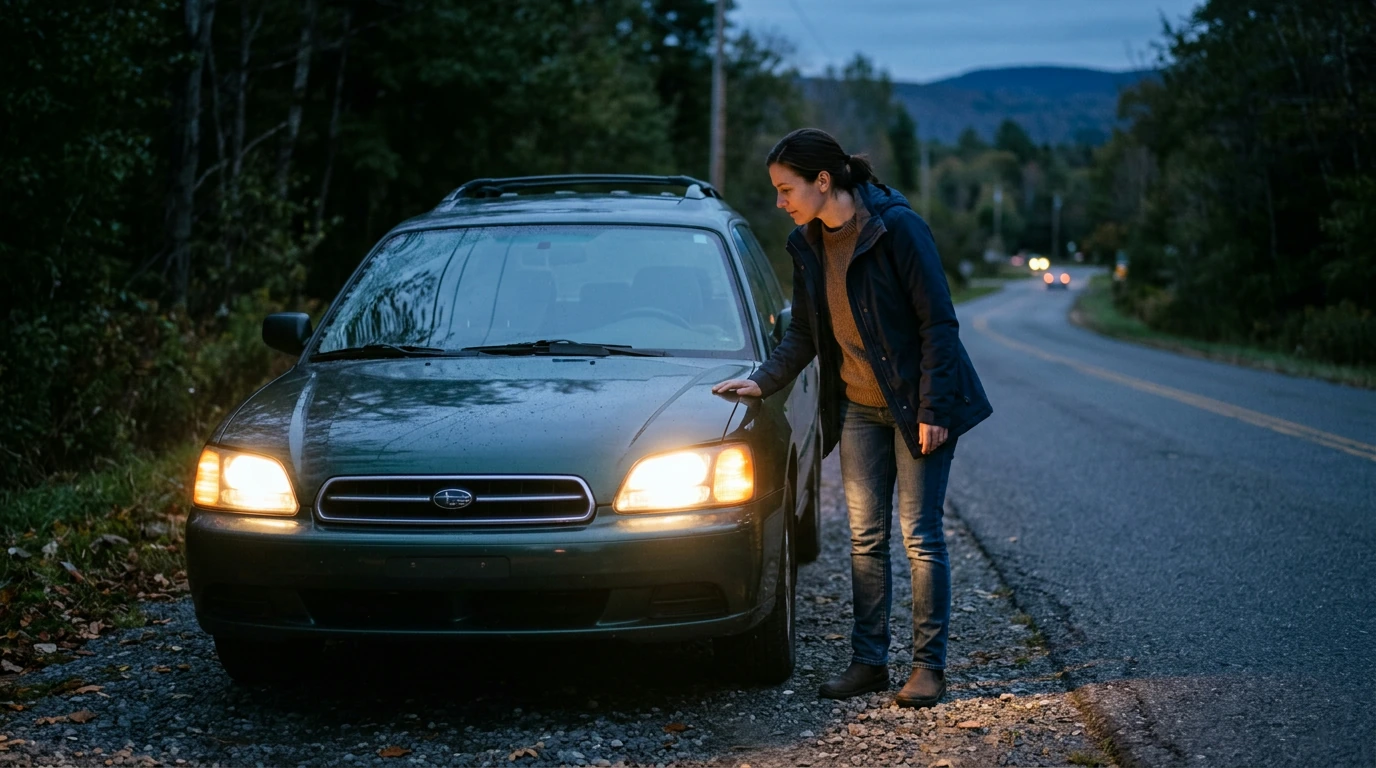
Driving after dark can turn a familiar route into a different experience. Headlights create glare, unlit hazards can be difficult to spot, and a long day can leave you less alert than you realize. A simple routine helps you prepare before you start and pay attention to how you feel along the way.
Our Night Drive Smart printable digital guide brings those reminders together in a convenient format. Use it to build habits that fit your trips, whether you’re heading home after work or setting out on a longer evening drive.
Why a Night Driving Routine Matters
At night, you have less visual information to work with. Pedestrians, animals, road debris, and changes in the pavement may be harder to notice until you’re closer to them. Glare from oncoming vehicles can also make it difficult to see the road ahead, especially when windows or mirrors are dirty.
Fatigue adds another challenge. You may react more slowly or have trouble concentrating without immediately recognizing how tired you are. A checklist gives you a practical pause to consider your vehicle, your route, and your readiness to drive.
It isn’t a guarantee of safety or a substitute for good judgment. Conditions can change during a trip, so be ready to adjust your plans or stop when necessary.
Before You Leave
Start with a quick walk around your vehicle. Check that your headlights, taillights, and turn signals work. Clean your windshield, other windows, and mirrors so grime or streaks don’t make glare worse. If a light isn’t working, address it before your trip rather than assuming other drivers will see you.
Next, review your route and the weather. Look for road closures, construction, rain, fog, or other conditions that might slow you down. Allow extra time so you don’t feel pressured to rush, and consider an alternate route if your usual one is poorly lit or affected by difficult weather.
Finally, check in with yourself. If you’re already struggling to stay awake, delay the trip, arrange another ride, or rest before leaving. Our Night Drive Smart printable digital guide is a convenient reference when you want to make these checks part of a repeatable routine.
Quick Night Driving Safety Checks
| When | Check | Purpose |
|---|---|---|
| Before leaving | Lights, windows and mirrors | Help improve visibility and make the vehicle visible |
| Before leaving | Route and weather | Prepare for delays or difficult conditions |
| During the drive | Speed and following distance | Leave time to respond to hazards |
| During the drive | Alertness | Recognize when it is time to stop and rest |
Stay Alert and Visible on the Road
Choose a speed that lets you respond to what you can see ahead. The posted limit is not always the right speed for darkness, rain, fog, or a winding road. Leave a generous following distance so you have more time to react if the vehicle ahead slows or stops.
Use your headlights as required by local law and whenever conditions make your vehicle harder to see. High beams can help on dark roads when there is no traffic close enough to be affected. Dim them for oncoming vehicles and when following another vehicle, in accordance with local rules.
If oncoming headlights create glare, avoid staring directly into them. Look toward the right edge of the road while maintaining awareness of your lane and the traffic around you. Slow down as needed, and give yourself room to respond. The National Safety Council’s nighttime driving guidance offers additional advice for managing reduced visibility.
Know When to Stop
Frequent yawning, drifting within your lane, and difficulty remembering the last few miles are warning signs that you may be too tired to drive. You might also miss an exit or find yourself struggling to keep your eyes open. Take those signals seriously, even if your destination is close.
Pull over somewhere safe and rest instead of relying on an open window, loud music, or another quick fix. If you can’t get adequate rest, arrange another way to travel or delay the remainder of the trip. The National Highway Traffic Safety Administration provides more information about the risks of drowsy driving.
Keep Night Drive Smart Handy
A printed reminder can be useful near your keys or with the items you take on regular evening trips. For occasional longer drives, you can refer to it while planning your departure and rest stops. The goal is to make preparation easy enough to repeat, not to add a complicated task to your day.
Our Night Drive Smart guide is listed at $3.99. View the product details before purchasing to decide whether the printable guide fits your routine. It complements safe driving practices and local traffic laws; it does not replace them.
If you like keeping everyday essentials together, our Elegant Casual Leather Tote Bag for Everyday Style is another option to explore. Whatever you carry, secure loose items before driving so they don’t become a distraction.
FAQ
What should I check before driving at night?
Check that your vehicle lights work, clean your windows and mirrors, review your route and the weather, and make sure you are alert enough to drive.
What should I do if I feel sleepy while driving?
Pull over somewhere safe and rest. Do not continue driving while drowsy.
What is Night Drive Smart?
Night Drive Smart is a printable digital guide with a night driving safety checklist and tips for safe driving at night.















Leave a comment