-
Shop
- Adidas
- Advanced Technologies
- AI Skills Mastery 2026 Collection
- Best-Sellers
- Calvin Klein
- Car Accessories
- Confidence
- Dating & Social Skills
- Digital Resources
- AI & Technology
- AI Skills
- Beauty
- Budgeting & Saving
- Car Buying & Ownership
- Cozy Feast Collection
- Electronics & Technology
- Entrepreneurship & Business Growth
- Financial Education
- Financial Independence
- Financial Mindset & Psychology
- Goal Setting
- Hobbies
- Home Styling & Organization
- Kitchen & Recipes
- Leadership
- Mindset
- Online Business
- Parenting & Child Development
- Personal Style & Fashion
- Pet Lifestyle & Wellness
- Positive Thinking
- Sleep Improvement
- Stress Management & Relaxation
- Travel Planning
- Yoga & Fitness
- Yoga & Mind-Body Practices
- Education & Learning
- Family & Parenting
- Fashion
- Alexander McQueen
- Bags
- Bags & Wallets
- Balenciaga
- Belts
- Blazers
- Bottega Veneta
- Brunello Cucinelli
- Burberry
- Chanel
- Chloé
- Dior
- Dolce & Gabbana
- Dresses
- Etro
- Fendi
- Gucci
- Hats & Hair Accessories
- Hoodies & Sweatshirts
- Jacquemus
- Jewelry
- Jil Sander
- Keychains
- Kiton
- Luggage
- Miu Miu
- Off-White
- Prada
- Rick Owens
- Saint Laurent
- Socks & Tights
- Sweaters & Cardigans
- The Row
- Tom Ford
- Tops & Shirts
- Valentino
- Valentino Garavani
- Versace
- Vivienne Westwood
- Watches
- Furniture
- Gadgets
- Health & Beauty
- Health & Wellness
- Home & Garden
- Kids & Babies
- Kitchen
- Lighting
- Patio, Lawn & Garden
- Personal Growth
- Pet Care
- Pet Supplies
- Pets
- Shoes
- Smart Home Living Guides
- Sport & Outdoors
- Stress Relief & Relaxation
- TikTok Growth & Monetization Mastery
- Travel
- Travel & Adventure
- Wealth
- Wellness
- YouTube Shorts Best-Sellers
- Popular
- Best deals
Safe Outdoor Time for Pets: Walk, Yard, Hike Tips
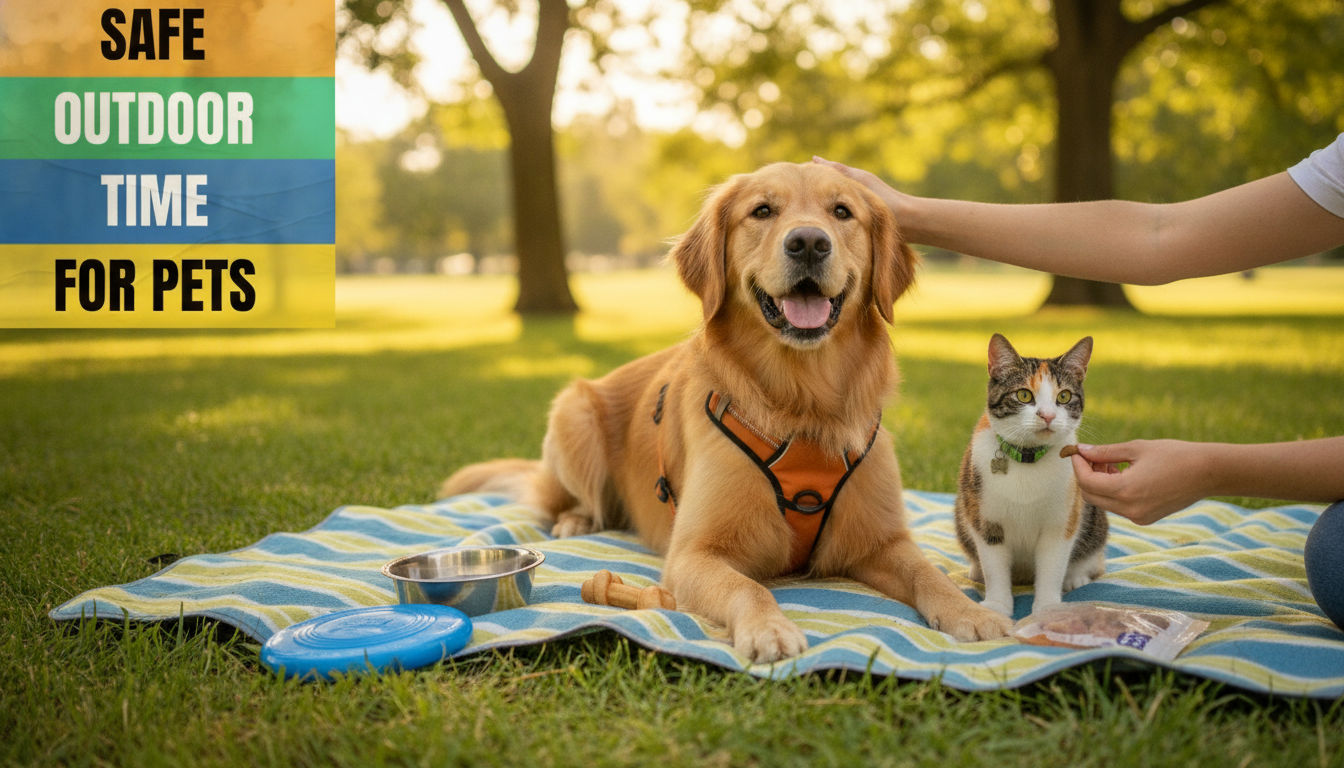
Safe Outdoor Time for Pets: Practical Steps for Confident Walks, Yard Time, and Adventures
Outdoor time can enrich a pet’s life with exercise, mental stimulation, and social exposure—when it’s planned with safety in mind. From heat and cold risks to parasites, traffic, toxic plants, and wildlife encounters, a few routines and the right gear help prevent common emergencies. The steps below are designed to be repeatable for safer walks, backyard play, travel days, and outdoor training so pets can enjoy the outdoors comfortably and you can respond quickly when conditions change.
Start with a quick safety baseline
- Confirm ID is current: a readable collar tag plus a registered microchip. Keep a recent, well-lit photo (full body and close-up) for quick lost-pet posts.
- Check fit and hardware before every outing: look for rubbing, loose buckles, frayed webbing, and worn clips.
- Account for health considerations: brachycephalic breeds, seniors, puppies/kittens, and pets with heart/airway issues typically need shorter sessions, more breaks, and cooler times of day.
- Stay current on preventives: flea/tick control, heartworm prevention (where recommended), and vaccines based on your veterinarian’s guidance.
- Train indoors first: a reliable recall and “leave it” cue should be practiced in low-distraction spaces before asking for them outdoors.
Outdoor safety checklist by situation
| Situation | Main risks | Simple precautions | When to stop and go inside |
|---|---|---|---|
| Neighborhood walk | Traffic, loose dogs, hot pavement, debris | Short leash near roads; choose shaded routes; carry water; avoid broken glass areas | Heavy panting, limping, glazed eyes, or rising pavement heat |
| Backyard time | Escape gaps, toxic plants, standing water, wildlife | Inspect fences weekly; remove hazards; supervise; keep trash secured | Repeated fence-jumping attempts, wildlife activity, or storm approach |
| Park/hike | Ticks, steep terrain, foxtails, dehydration | Stay on-trail; tick check after; bring collapsible bowl; use booties if needed | Lethargy, vomiting, excessive drooling, or disorientation |
| Beach/lake | Saltwater ingestion, algae blooms, drowning | Life jacket; rinse after; avoid unknown water quality; prevent drinking water | Coughing, persistent diarrhea, weakness, or tremors |
Weather and temperature: preventing heat and cold injuries
- Plan timing: aim for early morning or evening in warm months. Humidity makes panting less effective, so shorten sessions even if the temperature seems “manageable.”
- Check the ground: hot pavement and sand can burn paw pads quickly. Choose grass or shaded paths, and consider booties for sensitive paws.
- Hydration routine: offer small sips frequently and bring a portable bowl. Avoid puddles or stagnant water that may contain bacteria or chemicals.
- Cold protection: smaller, short-haired, and senior pets may need coats. Limit time on ice/snow and rinse paws to remove de-icers and salt.
- Know early warning signs: heat stress (excessive panting, drooling, weakness) and hypothermia (shivering, stiffness, slow movement) warrant ending the outing and warming/cooling safely.
For hot-weather specifics—including why parked cars become dangerous so fast—follow guidance from the American Veterinary Medical Association (AVMA).
Leash, yard, and enclosure safety
Parasites, plants, and common outdoor toxins
- Tick strategy: stay on cleared paths and avoid tall grass when possible. After outings, do a full-body check: ears, toes, armpits, groin, collar line, and tail base.
- Flea prevention: keep preventives on schedule. If fleas are suspected, wash bedding and treat the environment only as recommended by your veterinarian.
- Foxtails and burrs: inspect paws, ears, and underbelly. Prompt removal lowers the chance of migration and infection.
- Plant safety: remove or fence off known toxic plants and prevent chewing on mushrooms or unknown greenery. Use the ASPCA plant database to check common landscaping plants.
- Chemical exposure: keep pets off recently treated lawns and away from antifreeze, rodenticides, compost piles, and garage spills.
For practical tick-bite prevention basics (including what ticks look for), the CDC’s tick guidance is a helpful reference.
Wildlife and other animals: reducing conflict
Pack smarter: a small kit for everyday outings and travel
Building confident outdoor habits without stress
A guided, step-by-step resource for safer outdoor routines
For a structured approach that ties preparation, environment checks, gear, training, and emergency readiness into one routine, explore Safe Outdoor Time for Pets: A Comprehensive eBook for Ensuring Your Pet’s Safety and Happiness Outdoors. It’s especially useful when multiple people share pet-handling responsibilities, since a common checklist reduces missed steps.
If you like keeping supplies together for grab-and-go walks or travel days, a dedicated outing bag can make routines easier to maintain: Elegant Casual Leather Tote Bag for Everyday Style.
FAQ
How long should pets stay outside each day?
It depends on species, age, coat type, fitness, and weather, so there isn’t one universal number. Many pets do best with short, frequent sessions plus supervision, ending immediately at the first signs of overheating, shivering, or mounting stress.
What are early signs of heat stress in dogs and cats?
Early signs include heavy or noisy panting, excessive drooling, weakness, vomiting, bright red or very pale gums, and confusion. Move your pet to a cooler area, offer small sips of water, begin gentle cooling, and contact a veterinarian promptly—especially for seniors, brachycephalic breeds, and pets with heart/airway issues.
How do you check a pet for ticks after a walk or hike?
Use your hands (and a fine comb if helpful) to check the head and ears, collar line, armpits, groin, between toes, and the tail base. Remove ticks promptly with a proper tick tool or tweezers by grasping close to the skin, then monitor the bite site for redness or swelling.















Leave a comment