-
Shop
- Adidas
- Advanced Technologies
- AI Skills Mastery 2026 Collection
- Best-Sellers
- Calvin Klein
- Car Accessories
- Confidence
- Dating & Social Skills
- Digital Resources
- AI & Technology
- AI Skills
- Beauty
- Budgeting & Saving
- Car Buying & Ownership
- Cozy Feast Collection
- Electronics & Technology
- Entrepreneurship & Business Growth
- Financial Education
- Financial Independence
- Financial Mindset & Psychology
- Goal Setting
- Hobbies
- Home Styling & Organization
- Kitchen & Recipes
- Leadership
- Mindset
- Online Business
- Parenting & Child Development
- Personal Style & Fashion
- Pet Lifestyle & Wellness
- Positive Thinking
- Sleep Improvement
- Stress Management & Relaxation
- Travel Planning
- Yoga & Fitness
- Yoga & Mind-Body Practices
- Education & Learning
- Family & Parenting
- Fashion
- Alexander McQueen
- Bags
- Bags & Wallets
- Balenciaga
- Belts
- Blazers
- Bottega Veneta
- Brunello Cucinelli
- Burberry
- Chanel
- Chloé
- Dior
- Dolce & Gabbana
- Dresses
- Etro
- Fendi
- Gucci
- Hats & Hair Accessories
- Hoodies & Sweatshirts
- Jacquemus
- Jewelry
- Jil Sander
- Keychains
- Kiton
- Luggage
- Miu Miu
- Off-White
- Prada
- Rick Owens
- Saint Laurent
- Socks & Tights
- Sweaters & Cardigans
- The Row
- Tom Ford
- Tops & Shirts
- Valentino
- Valentino Garavani
- Versace
- Vivienne Westwood
- Watches
- Furniture
- Gadgets
- Health & Beauty
- Health & Wellness
- Home & Garden
- Kids & Babies
- Kitchen
- Lighting
- Patio, Lawn & Garden
- Personal Growth
- Pet Care
- Pet Supplies
- Pets
- Shoes
- Smart Home Living Guides
- Sport & Outdoors
- Stress Relief & Relaxation
- TikTok Growth & Monetization Mastery
- Travel
- Travel & Adventure
- Wealth
- Wellness
- YouTube Shorts Best-Sellers
- Popular
- Best deals
Sleep for Stress Relief: A Calm Wind-Down Plan
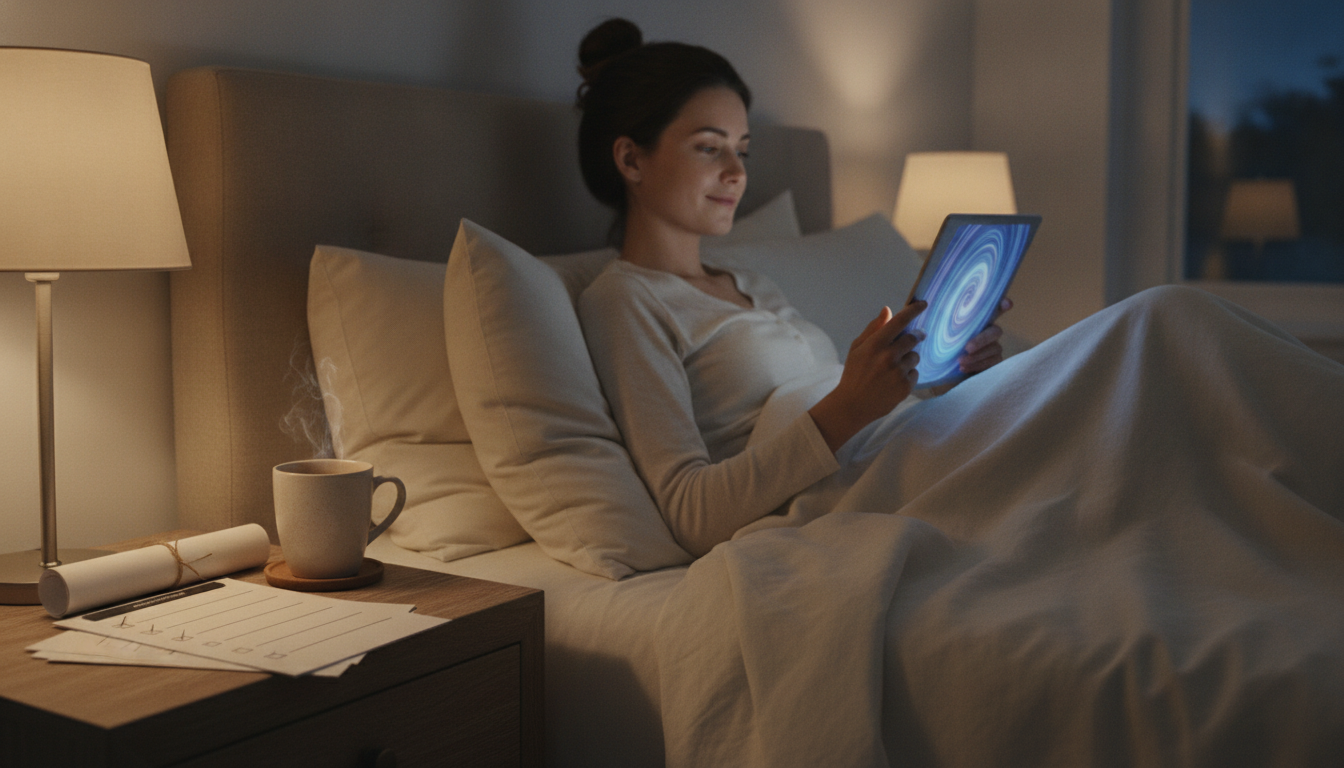
Can Sleep Relieve Stress? A Practical Plan for Calmer Days and Deeper Nights
Stress and sleep are closely connected: tension can make it harder to fall asleep and stay asleep, while poor sleep can make everyday stress feel heavier. Better sleep doesn’t erase life’s challenges, but it can improve mood regulation, resilience, and the ability to recover after a demanding day. This guide explains how sleep supports stress relief and offers simple, trackable steps to build a calmer nightly routine.
How Sleep Helps the Body Recover From Stress
- Supports emotional regulation: Adequate sleep helps the brain respond more evenly to frustration, worry, and negative thoughts, making emotional “spikes” feel less overwhelming.
- Helps rebalance stress hormones: Regular sleep supports healthier cortisol timing—more alert in the morning, more settled at night—which can make evenings feel less wired.
- Improves problem-solving: A rested brain is better at prioritizing, planning, and choosing responses instead of reacting on autopilot.
- Reduces physical strain: Sleep supports immune function, inflammation regulation, and muscle recovery—areas that can take a hit during chronic stress.
For a deeper overview of the stress-sleep cycle, see Sleep and stress (Sleep Foundation).
Common Signs Stress Is Disrupting Sleep
- Racing thoughts at bedtime, frequent clock-checking, or feeling “tired but wired.”
- Difficulty falling asleep (often longer than 30 minutes) or waking up repeatedly.
- Early awakenings with a sense of dread or mental chatter that won’t switch off.
- Nighttime habits that backfire: late caffeine, alcohol as a sedative, doomscrolling, or working in bed.
- Daytime clues: irritability, low patience, cravings for quick energy, or needing long naps to function.
If these patterns are happening most nights, treat it as a signal—not a personal failure. A small, repeatable routine usually works better than a “perfect” routine that only happens on calm days.
A 30–60 Minute Wind-Down That Trains the Nervous System
The goal is to create a predictable downshift. When the body recognizes the same cues night after night, it learns that bedtime is safe, not another problem to solve.
- Pick a consistent “lights-down” window: Aim for the same general bedtime and wake time most days (even if it’s not exact to the minute).
- Create a buffer: Stop demanding tasks 60 minutes before bed; if needed, set a hard cutoff alarm so decisions don’t drag on.
- Do a brain-dump: Write tomorrow’s top 3 priorities and any looping worries; close the notebook when done to “contain” the thoughts.
- Try a downshift routine: Warm shower, gentle stretching, calming music, or a short guided relaxation.
- Keep the bed for sleep: If you’re awake too long, get up for a quiet activity under low light, then return when sleepy (this helps prevent the bed from becoming a stress trigger).
One practical option for staying consistent is a structured guide with prompts and checklists. The Can Sleep Relieve Stress | Stress Relief & Better Sleep eBook (Digital Download) is designed for repeatable nightly use, especially when decision fatigue makes it hard to choose what to do next.
Sleep Environment Tweaks That Lower Nighttime Arousal
- Light: Dim lights 1–2 hours before bed; consider blackout curtains if early light wakes you.
- Temperature: Keep the room cool and bedding breathable to reduce wake-ups.
- Sound: Use consistent background noise (fan/white noise) if intermittent sounds are a trigger.
- Phone placement: Charge the phone outside the bedroom or across the room to reduce late scrolling and impulsive checking.
- Bedtime comfort: A supportive pillow/mattress and an uncluttered bedside area can reduce mental stimulation.
If bedroom lighting keeps the brain alert, upgrading the vibe can help cue relaxation. Consider a statement fixture that supports a calmer atmosphere, such as the Heart Shaped Crystal Ceiling Light.
Daily Habits That Make Sleep More Stress-Resistant
For a quick refresher on healthy sleep basics and recommended habits, see Healthy Sleep (CDC).
A Simple Checklist for Better Sleep on High-Stress Days
Quick Sleep-and-Stress Reset Checklist
| Step | What to Do | When | Why It Helps |
|---|---|---|---|
| Brain dump | Write worries + tomorrow’s top 3 | 30–60 min before bed | Reduces mental looping |
| Downshift cue | Warm shower or gentle stretch | 20–40 min before bed | Signals safety and calm |
| Light + screens | Dim lights; put phone away | 60 min before bed | Supports melatonin and reduces stimulation |
| Breathing | Slow exhale breathing (e.g., 4–6 breaths/min) | 5–10 min before sleep | Lowers arousal and heart rate |
| Bedroom setup | Cool, dark, quiet (or steady noise) | At bedtime | Fewer awakenings |
Using a Guided Resource to Stay Consistent
If warm water is part of your downshift cue, a reliable setup can make the routine easier to repeat. The Instant Wall-Mounted Electric Water Heater with LCD Display can support a consistent pre-bed shower routine in the right home setup.
When to Get Extra Help
For an evidence-based overview of CBT-I, see Cognitive Behavioral Therapy for Insomnia (CBT-I) (National Sleep Foundation).
FAQ
Can better sleep actually reduce stress, or does it just help you cope?
Better sleep can reduce how intensely stress is experienced by improving emotional regulation and supporting healthier stress-hormone rhythms. Stressors may still exist, but recovery is faster and reactions are often less amplified.
What is the fastest bedtime relaxation method for a racing mind?
Try a short sequence: do a 3–5 minute brain dump, then practice slow-exhale breathing for a few minutes. If you’re still wide awake, get out of bed for a low-stimulation activity under dim light and return when sleepy.
How long does it take to notice stress relief from improved sleep habits?
Some people notice a shift within a few nights, especially with a consistent wind-down and less late-night stimulation. More stable improvements often take about 2–4 weeks, so tracking one simple metric (like morning energy) can help you see progress.
Recommended for you


Funny Encouraging Quotes for Quick Mood Resets
Aug 3, 2026













Leave a comment