-
Shop
- Adidas
- Advanced Technologies
- AI Skills Mastery 2026 Collection
- Best-Sellers
- Calvin Klein
- Car Accessories
- Confidence
- Dating & Social Skills
- Digital Resources
- AI & Technology
- AI Skills
- Beauty
- Budgeting & Saving
- Car Buying & Ownership
- Cozy Feast Collection
- Electronics & Technology
- Entrepreneurship & Business Growth
- Financial Education
- Financial Independence
- Financial Mindset & Psychology
- Goal Setting
- Hobbies
- Home Styling & Organization
- Kitchen & Recipes
- Leadership
- Mindset
- Online Business
- Parenting & Child Development
- Personal Style & Fashion
- Pet Lifestyle & Wellness
- Positive Thinking
- Sleep Improvement
- Stress Management & Relaxation
- Travel Planning
- Yoga & Fitness
- Yoga & Mind-Body Practices
- Education & Learning
- Family & Parenting
- Fashion
- Alexander McQueen
- Bags
- Bags & Wallets
- Balenciaga
- Belts
- Blazers
- Bottega Veneta
- Brunello Cucinelli
- Burberry
- Chanel
- Chloé
- Dior
- Dolce & Gabbana
- Dresses
- Etro
- Fendi
- Gucci
- Hats & Hair Accessories
- Hoodies & Sweatshirts
- Jacquemus
- Jewelry
- Jil Sander
- Keychains
- Kiton
- Luggage
- Miu Miu
- Off-White
- Prada
- Rick Owens
- Saint Laurent
- Socks & Tights
- Sweaters & Cardigans
- The Row
- Tom Ford
- Tops & Shirts
- Valentino
- Valentino Garavani
- Versace
- Vivienne Westwood
- Watches
- Furniture
- Gadgets
- Health & Beauty
- Health & Wellness
- Home & Garden
- Kids & Babies
- Kitchen
- Lighting
- Patio, Lawn & Garden
- Personal Growth
- Pet Care
- Pet Supplies
- Pets
- Shoes
- Smart Home Living Guides
- Sport & Outdoors
- Stress Relief & Relaxation
- TikTok Growth & Monetization Mastery
- Travel
- Travel & Adventure
- Wealth
- Wellness
- YouTube Shorts Best-Sellers
- Popular
- Best deals
Walking for Stress Relief: A Practical Guide to Calm
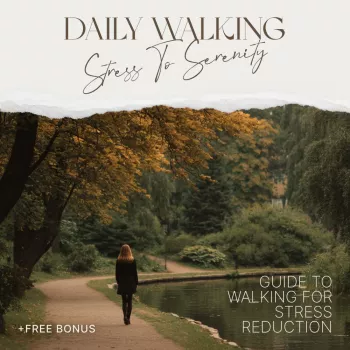
A busy day can leave little room to pause, but a walk can offer a simple way to step away from your usual demands. You don’t need a particular destination or a packed schedule to begin. A comfortable loop around your neighborhood, a few minutes indoors, or a stroll with someone you enjoy can all provide space to reset.
Our team put together these practical ideas to help you find an approach that fits your life. Start small, pay attention to how you feel, and let your routine develop at a pace that works for you.
Why a Walk Can Help Ease Stress
Physical activity can reduce feelings of anxiety and support sleep, although the effects vary from person to person. The Centers for Disease Control and Prevention notes that some benefits of physical activity can begin right after a session. Walking gives you an approachable way to add movement to your day without making it another complicated task.
A change of scenery can also provide a break from the demands competing for your attention. Leaving your desk, stepping outside, or moving to another part of your home may give you a chance to return to your day feeling more settled.
That doesn’t mean every walk will feel peaceful. Some days your thoughts may stay busy, or you may simply feel tired. Walking is a tool for supporting well-being, not a promise to eliminate stress or a replacement for mental health care.
Start With a Walk That Fits Your Day
Choose a familiar route and a pace that feels comfortable. You might start with a short walk around the block or a few minutes along a hallway. There is no required starting duration: what matters is finding an option that feels manageable enough to try again.
Consider when you have a natural opening rather than waiting for a perfectly clear calendar. The ideas below can help you match a walk to a moment you already have.
| Moment | Walking idea | Purpose |
|---|---|---|
| Morning | Walk around the block | Start the day with a quiet pause |
| Lunch break | Take a short outdoor loop | Step away from daily demands |
| Evening | Choose a comfortable, familiar route | Transition out of the workday |
If you want to walk longer, add time gradually as your schedule and comfort allow. Rest when you need to, and give yourself permission to shorten or skip a walk on a demanding day. A flexible routine is easier to return to than one that leaves you feeling pressured.
Bring More Calm to Each Step
Once you begin walking, try noticing the rhythm of your footsteps or the sensation of your feet meeting the ground. Let your breathing happen naturally rather than trying to force it into a particular pattern. You can also notice a few details around you: the sound of birds, the movement of trees, or the colors of buildings along your route.
If your mind wanders to your to-do list, that’s normal. You don’t have to clear every thought or maintain a perfect pace. Simply return your attention to your surroundings whenever you want a moment of focus.
For a quieter break, leave your phone behind when it’s practical and safe, or silence nonessential notifications. If conversation feels more comforting than solitude, invite a supportive companion. You can choose differently from one day to the next.
Make Walking a Sustainable Habit
Pairing a walk with something you already do can make it easier to remember. You might walk after breakfast, before picking up lunch, or when you finish work. Keep the plan loose enough that a missed day doesn’t feel like a setback.
Choose a safe, accessible route that suits your needs, and consider lighting, traffic, surfaces, and weather before heading out. Indoor walking is a useful alternative when conditions outside are uncomfortable or impractical. A hallway, indoor track, or other accessible space can give you room to move and take a break from daily demands.
If you have health concerns or mobility limitations, a health professional can help you decide what kind of movement is appropriate for you. The most useful routine is one you can adapt to your circumstances, including days when rest is the better choice.
Explore the Walking and Stress Reduction Guide
For more support as you build a routine, explore our How Walking Transforms Stress Into Serenity guide. It’s an option for readers interested in walking and stress reduction, with a listed price of $17.99. Visit the product page for current purchasing details.
If you like to bring personal items along, our Elegant Casual Leather Tote Bag for Everyday Style is another option to consider. Choose what feels comfortable to carry, or keep your walk simple and take only what you need.
There’s no need to change your entire day at once. Choose one manageable walk, notice how it fits, and build from there.
FAQ
How long should I walk to help manage stress?
A short, comfortable walk can be a useful starting point. Build gradually according to your needs and schedule rather than relying on a guaranteed duration.
Does walking have to be outdoors to help with stress?
No. Indoor walking can also provide movement and a break from daily demands; choose a setting that feels safe and comfortable.
Can walking replace treatment for anxiety?
Walking can support well-being, but it is not a substitute for professional care. If symptoms are persistent or disrupt your daily life, speak with a health professional.












Leave a comment