-
Shop
- Adidas
- Advanced Technologies
- AI Skills Mastery 2026 Collection
- Best-Sellers
- Calvin Klein
- Car Accessories
- Confidence
- Dating & Social Skills
- Digital Resources
- AI & Technology
- AI Skills
- Beauty
- Budgeting & Saving
- Car Buying & Ownership
- Cozy Feast Collection
- Electronics & Technology
- Entrepreneurship & Business Growth
- Financial Education
- Financial Independence
- Financial Mindset & Psychology
- Goal Setting
- Hobbies
- Home Styling & Organization
- Kitchen & Recipes
- Leadership
- Mindset
- Online Business
- Parenting & Child Development
- Personal Style & Fashion
- Pet Lifestyle & Wellness
- Positive Thinking
- Sleep Improvement
- Stress Management & Relaxation
- Travel Planning
- Yoga & Fitness
- Yoga & Mind-Body Practices
- Education & Learning
- Family & Parenting
- Fashion
- Alexander McQueen
- Bags
- Bags & Wallets
- Balenciaga
- Belts
- Blazers
- Bottega Veneta
- Brunello Cucinelli
- Burberry
- Chanel
- Chloé
- Dior
- Dolce & Gabbana
- Dresses
- Etro
- Fendi
- Gucci
- Hats & Hair Accessories
- Hoodies & Sweatshirts
- Jacquemus
- Jewelry
- Jil Sander
- Keychains
- Kiton
- Luggage
- Miu Miu
- Off-White
- Prada
- Rick Owens
- Saint Laurent
- Socks & Tights
- Sweaters & Cardigans
- The Row
- Tom Ford
- Tops & Shirts
- Valentino
- Valentino Garavani
- Versace
- Vivienne Westwood
- Watches
- Furniture
- Gadgets
- Health & Beauty
- Health & Wellness
- Home & Garden
- Kids & Babies
- Kitchen
- Lighting
- Patio, Lawn & Garden
- Personal Growth
- Pet Care
- Pet Supplies
- Pets
- Shoes
- Smart Home Living Guides
- Sport & Outdoors
- Stress Relief & Relaxation
- TikTok Growth & Monetization Mastery
- Travel
- Travel & Adventure
- Wealth
- Wellness
- YouTube Shorts Best-Sellers
- Popular
- Best deals
Is It Smart to Buy Commercial Property Right Now?
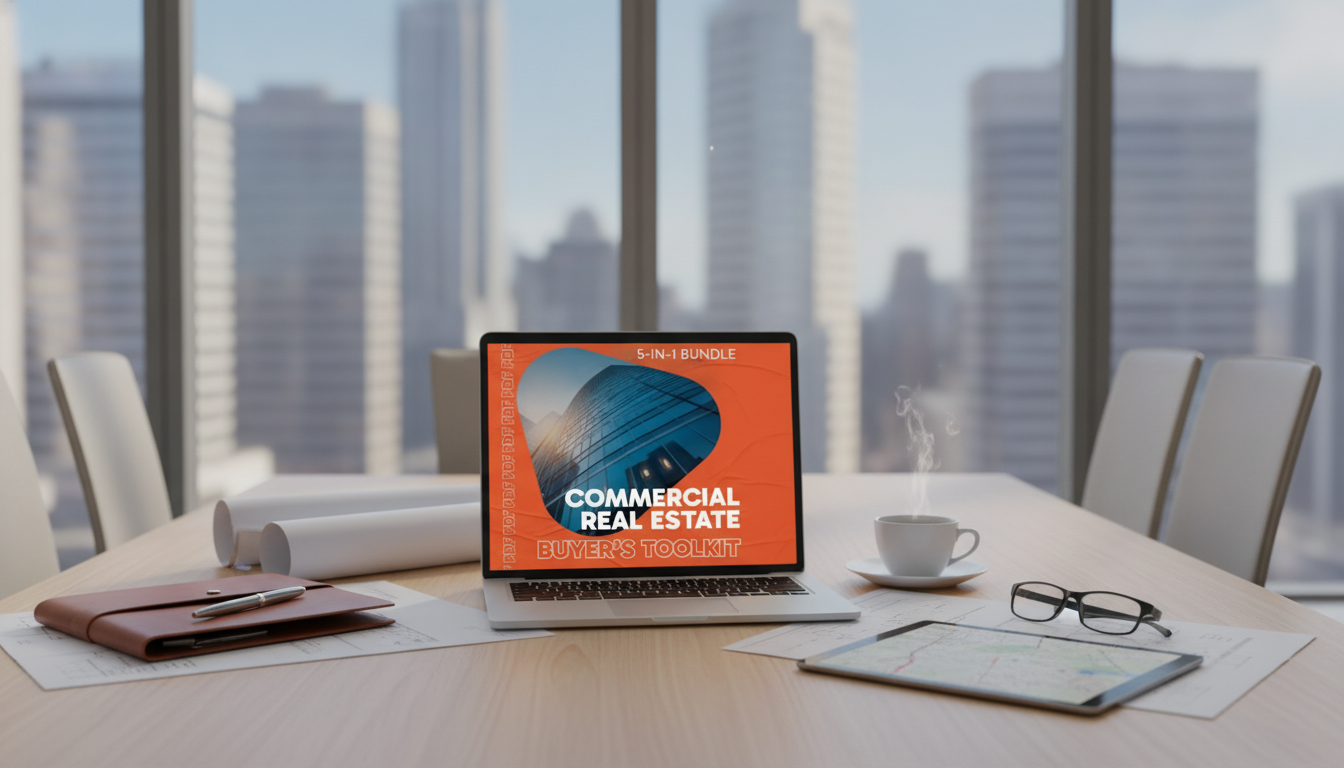
Is it smart to buy commercial property right now?
It can be, but only if a specific property works for your finances and your plans. A favorable asking price is not enough. We would judge the purchase by its total cost, the income it can realistically produce, and how well you could handle a vacancy, a repair, or a change in interest rates.
What makes a purchase worth considering?
Start with your purpose. If you plan to run your business from the property, compare ownership costs with leasing a suitable space. Include the down payment, loan payments, taxes, insurance, maintenance, and improvements needed before you can move in. Ownership may give you more control over the space, but it also makes you responsible for expenses a landlord might otherwise cover.
If you plan to lease the property to others, focus on dependable net income rather than advertised rent. Review current leases, tenant payment history, operating expenses, and upcoming lease expirations. A building that looks profitable while fully occupied may be much less attractive if you must carry it through several vacant months.
What should you work out before making an offer?
Set a maximum purchase price based on conservative numbers, not the seller’s best-case forecast. Ask your lender what financing terms you can actually qualify for, and make sure you will still have cash available after closing. We recommend budgeting for inspections, legal review, immediate repairs, and a reserve for unexpected costs.
Pay particular attention to the property’s intended use. Zoning, access, parking, building condition, and any required renovations can determine whether a space is practical for you or attractive to tenants. Before committing, have qualified professionals review the title, leases, physical condition, and any environmental concerns relevant to the site.
When is waiting the better choice?
Wait if the numbers only work with optimistic rent increases, if a major repair would strain your finances, or if you cannot clearly explain how you will use or lease the space. Passing on a weak deal preserves your ability to act when a stronger one appears. For a step-by-step way to organize your search and due diligence, use our commercial real estate buyer toolkit.
FAQ
How much cash should you keep after buying commercial property?
Keep enough to cover planned improvements and a reserve for loan payments, operating expenses, vacancies, and unexpected repairs. The right amount depends on the property and its tenants; your lender and financial advisor can help you test a realistic scenario.
Recommended for you


How to Help a Cat Stop Spraying: A Gentle Checklist
Oct 21, 2026













Leave a comment