-
Shop
- Adidas
- Advanced Technologies
- AI Skills Mastery 2026 Collection
- Best-Sellers
- Calvin Klein
- Car Accessories
- Confidence
- Dating & Social Skills
- Digital Resources
- AI & Technology
- AI Skills
- Beauty
- Budgeting & Saving
- Car Buying & Ownership
- Cozy Feast Collection
- Electronics & Technology
- Entrepreneurship & Business Growth
- Financial Education
- Financial Independence
- Financial Mindset & Psychology
- Goal Setting
- Hobbies
- Home Styling & Organization
- Kitchen & Recipes
- Leadership
- Mindset
- Online Business
- Parenting & Child Development
- Personal Style & Fashion
- Pet Lifestyle & Wellness
- Positive Thinking
- Sleep Improvement
- Stress Management & Relaxation
- Travel Planning
- Yoga & Fitness
- Yoga & Mind-Body Practices
- Education & Learning
- Family & Parenting
- Fashion
- Alexander McQueen
- Bags
- Bags & Wallets
- Balenciaga
- Belts
- Blazers
- Bottega Veneta
- Brunello Cucinelli
- Burberry
- Chanel
- Chloé
- Dior
- Dolce & Gabbana
- Dresses
- Etro
- Fendi
- Gucci
- Hats & Hair Accessories
- Hoodies & Sweatshirts
- Jacquemus
- Jewelry
- Jil Sander
- Keychains
- Kiton
- Luggage
- Miu Miu
- Off-White
- Prada
- Rick Owens
- Saint Laurent
- Socks & Tights
- Sweaters & Cardigans
- The Row
- Tom Ford
- Tops & Shirts
- Valentino
- Valentino Garavani
- Versace
- Vivienne Westwood
- Watches
- Furniture
- Gadgets
- Health & Beauty
- Health & Wellness
- Home & Garden
- Kids & Babies
- Kitchen
- Lighting
- Patio, Lawn & Garden
- Personal Growth
- Pet Care
- Pet Supplies
- Pets
- Shoes
- Smart Home Living Guides
- Sport & Outdoors
- Stress Relief & Relaxation
- TikTok Growth & Monetization Mastery
- Travel
- Travel & Adventure
- Wealth
- Wellness
- YouTube Shorts Best-Sellers
- Popular
- Best deals
Key Fashion History Eras: From Ancient to Today
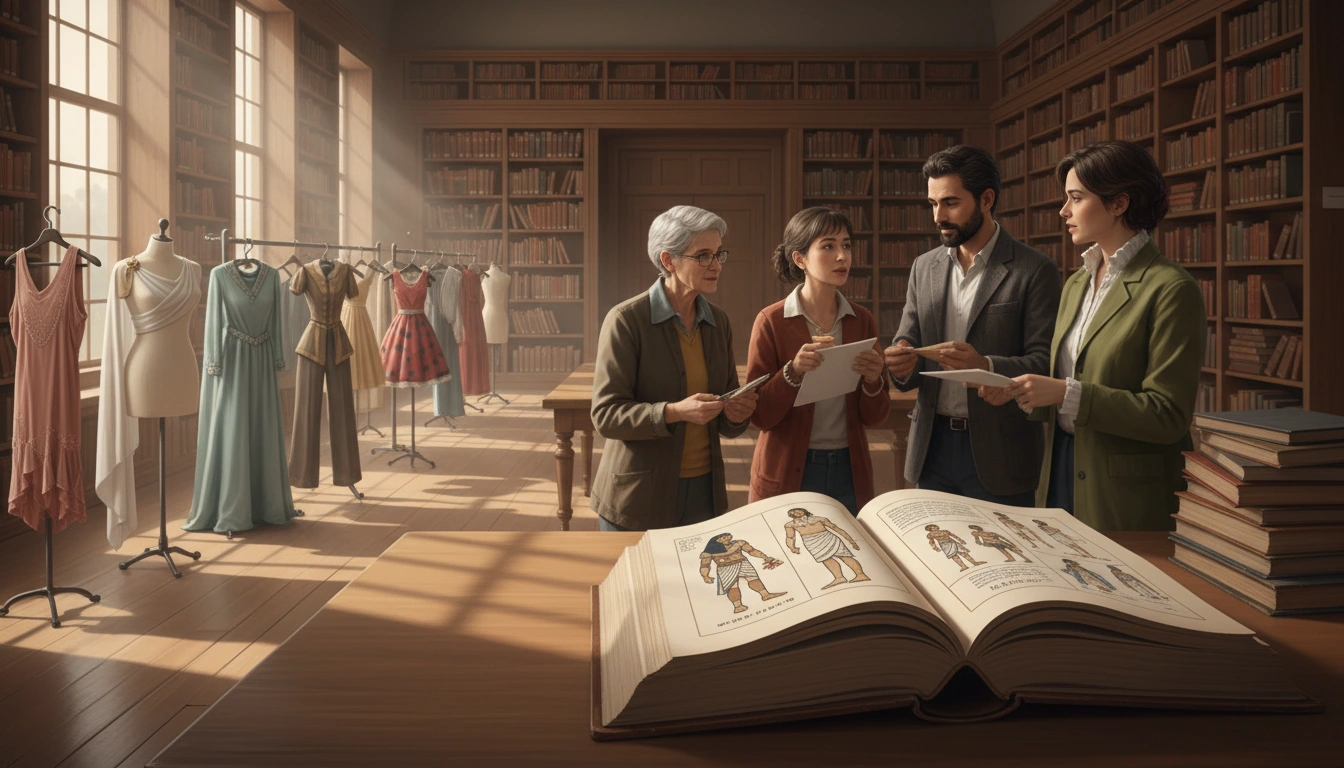
What are the key eras in fashion history?
Fashion history is often told through a handful of defining eras—each shaped by art, politics, technology, and shifting ideals of beauty. While trends constantly overlap and reappear, these periods are widely recognized for introducing silhouettes and styling codes that still influence wardrobes today.
Ancient to Medieval foundations
Early dress in ancient civilizations centered on draped or wrapped garments, practical construction, and status-driven materials. In the Medieval period, tailoring advanced, and clothing became a clearer marker of rank through richer textiles, tighter sleeves, and more structured layers.
Renaissance and Baroque grandeur
Renaissance fashion emphasized formality and craftsmanship, with intricate textiles, fitted bodices, and ornate details. Baroque and Rococo later pushed opulence further—think exaggerated volume, decorative trims, and styling that signaled wealth and court influence.
Georgian to Victorian structure
From the 18th century into the 19th, silhouettes became increasingly engineered. Corsetry, layered skirts, and evolving sleeve shapes defined women’s fashion, while men’s dress shifted toward refined tailoring. Victorian style is especially known for its dramatic shape changes and strict social codes reflected in dress.
Early 20th century: liberation and modernity
The 1900s through the 1930s brought slimmer lines, simpler construction, and new freedom of movement. By the 1940s, utility and wartime restrictions influenced sharp shoulders and practical designs, followed by the 1950s return to nipped waists and full skirts.
1960s to 1990s: youth culture and experimentation
The 1960s introduced bold hemlines and graphic modernism; the 1970s mixed bohemian ease with disco glamour. The 1980s favored power dressing and strong proportions, while the 1990s leaned into minimalism, grunge, and streetwear signals.
2000s to today: remix and individuality
Contemporary fashion blends rapid trend cycles with archival revivals, niche aesthetics, and a growing focus on personal styling. For a deeper look at how shapes change across periods, visit this guide to comparing silhouettes across eras.
FAQ
How can I compare silhouettes across different fashion eras?
Start with the outline: shoulder width, waist emphasis, skirt or pant volume, and hem length. Then note what creates the shape—corsets, padding, tailoring, or fabric drape—to see why each era looks distinct.











Leave a comment