-
Shop
- Adidas
- Advanced Technologies
- AI Skills Mastery 2026 Collection
- Best-Sellers
- Calvin Klein
- Car Accessories
- Confidence
- Dating & Social Skills
- Digital Resources
- AI & Technology
- AI Skills
- Beauty
- Budgeting & Saving
- Car Buying & Ownership
- Cozy Feast Collection
- Electronics & Technology
- Entrepreneurship & Business Growth
- Financial Education
- Financial Independence
- Financial Mindset & Psychology
- Goal Setting
- Hobbies
- Home Styling & Organization
- Kitchen & Recipes
- Leadership
- Mindset
- Online Business
- Parenting & Child Development
- Personal Style & Fashion
- Pet Lifestyle & Wellness
- Positive Thinking
- Sleep Improvement
- Stress Management & Relaxation
- Travel Planning
- Yoga & Fitness
- Yoga & Mind-Body Practices
- Education & Learning
- Family & Parenting
- Fashion
- Alexander McQueen
- Bags
- Bags & Wallets
- Balenciaga
- Belts
- Blazers
- Bottega Veneta
- Brunello Cucinelli
- Burberry
- Chanel
- Chloé
- Dior
- Dolce & Gabbana
- Dresses
- Etro
- Fendi
- Gucci
- Hats & Hair Accessories
- Hoodies & Sweatshirts
- Jacquemus
- Jewelry
- Jil Sander
- Keychains
- Kiton
- Luggage
- Miu Miu
- Off-White
- Prada
- Rick Owens
- Saint Laurent
- Socks & Tights
- Sweaters & Cardigans
- The Row
- Tom Ford
- Tops & Shirts
- Valentino
- Valentino Garavani
- Versace
- Vivienne Westwood
- Watches
- Furniture
- Gadgets
- Health & Beauty
- Health & Wellness
- Home & Garden
- Kids & Babies
- Kitchen
- Lighting
- Patio, Lawn & Garden
- Personal Growth
- Pet Care
- Pet Supplies
- Pets
- Shoes
- Smart Home Living Guides
- Sport & Outdoors
- Stress Relief & Relaxation
- TikTok Growth & Monetization Mastery
- Travel
- Travel & Adventure
- Wealth
- Wellness
- YouTube Shorts Best-Sellers
- Popular
- Best deals
Keep Your Dog Warm in Winter: Layering & Paw Care
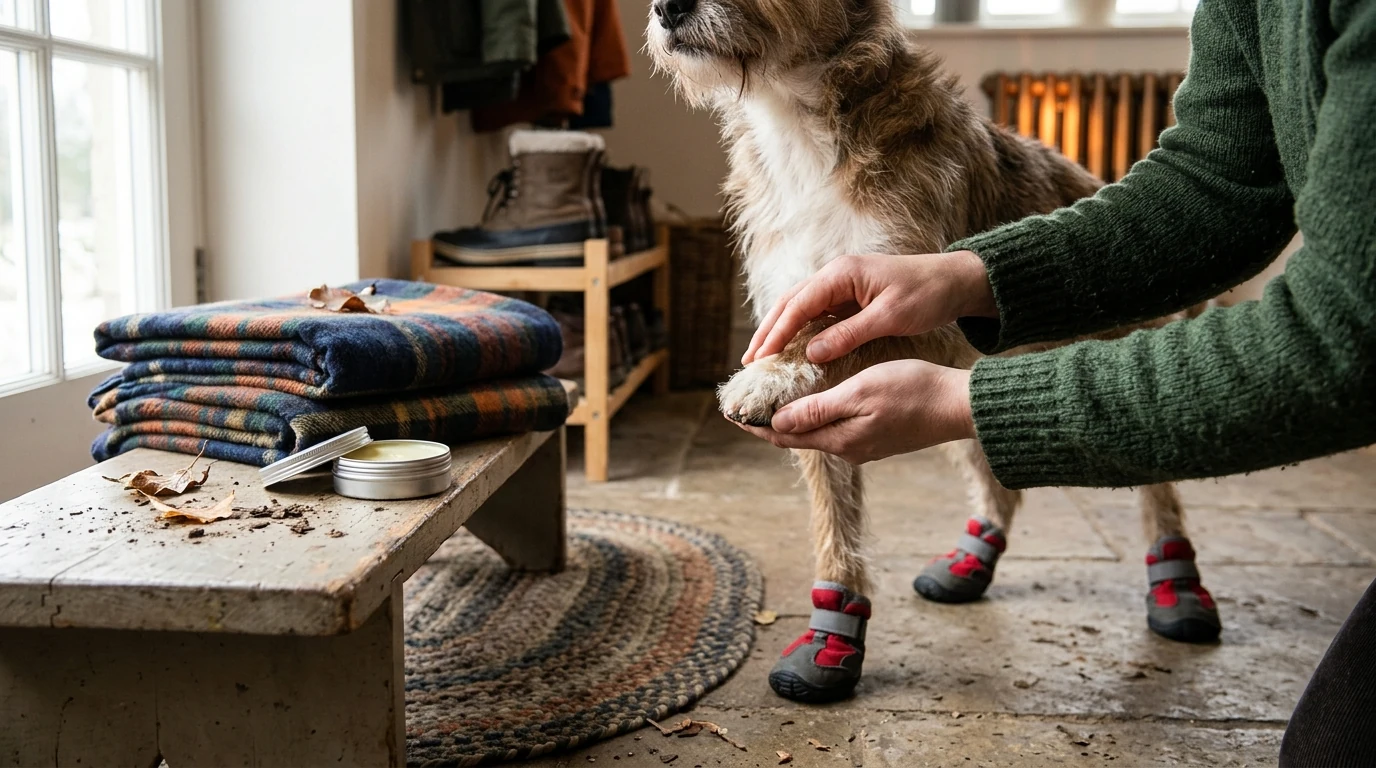
Q: What is the best way to keep my dog warm in the winter?
A: Layer smart, block wind, and keep paws protected
Winter comfort comes down to managing heat loss without restricting movement. Our team recommends starting with a warm, well-fitted base layer, then adding targeted protection for wind, wet conditions, and cold surfaces.
1) Use an insulating layer that stays put
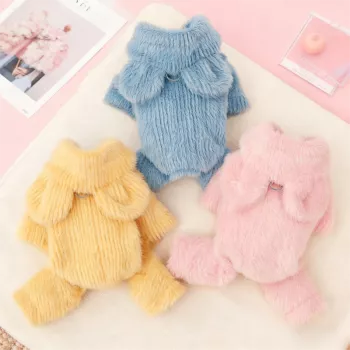
A snug (not tight) jumpsuit or pajama-style layer helps trap body heat across the chest, belly, and legs—areas that often get chilly on short-coated or small dogs. Aim for coverage that allows full shoulder and hip motion, with no pulling at the armpits or groin. If the fabric twists or rides up, warmth drops fast.
2) Add weather protection when needed
If it’s windy, sleeting, or your dog’s coat gets damp easily, top the warm layer with a water-resistant shell or windbreaker for outdoor time. Keeping the insulating layer dry is key—wet fabric pulls heat away from the body and can make your dog feel colder after the walk.
3) Keep paws and legs safe from cold ground
Sidewalks and packed snow can chill paws quickly, and ice melt can irritate skin. Use dog boots when your dog tolerates them; if not, limit exposure time and rinse paws after walks to remove salt and grit. Check between toes for packed snowballs that can cause discomfort and limping.
4) Watch for overheating indoors
Many dogs need winter gear outdoors but not in a heated home. If your dog starts panting, seems restless, or the ears feel unusually warm, remove a layer and offer water. Comfort is the goal, not maximum insulation at all times.
5) Prioritize safety and easy care
Choose clothing with smooth seams and secure closures that won’t snag. Keep nails trimmed to prevent fabric pulls, and launder winter wear regularly to remove salt residue and maintain softness. For deeper fit, safety, and care tips on plush winter gear, visit our guide: https://lustrina.com/guide-plush-pet-jumpsuit-pajamas-winter-fit-safety-care/.
FAQ
Should my dog wear a coat in freezing temperatures?
Many dogs benefit from a coat or warm jumpsuit in freezing weather, especially small, short-haired, senior, or low-body-fat dogs. Choose a piece that covers the chest and belly while allowing free movement.
Recommended for you

Motivate a Teen Who “Doesn’t Care”: Parent Checklist
Oct 12, 2026













Leave a comment