-
Shop
- Adidas
- Advanced Technologies
- AI Skills Mastery 2026 Collection
- Best-Sellers
- Calvin Klein
- Car Accessories
- Confidence
- Dating & Social Skills
- Digital Resources
- AI & Technology
- AI Skills
- Beauty
- Budgeting & Saving
- Car Buying & Ownership
- Cozy Feast Collection
- Electronics & Technology
- Entrepreneurship & Business Growth
- Financial Education
- Financial Independence
- Financial Mindset & Psychology
- Goal Setting
- Hobbies
- Home Styling & Organization
- Kitchen & Recipes
- Leadership
- Mindset
- Online Business
- Parenting & Child Development
- Personal Style & Fashion
- Pet Lifestyle & Wellness
- Positive Thinking
- Sleep Improvement
- Stress Management & Relaxation
- Travel Planning
- Yoga & Fitness
- Yoga & Mind-Body Practices
- Education & Learning
- Family & Parenting
- Fashion
- Alexander McQueen
- Bags
- Bags & Wallets
- Balenciaga
- Belts
- Blazers
- Bottega Veneta
- Brunello Cucinelli
- Burberry
- Chanel
- Chloé
- Dior
- Dolce & Gabbana
- Dresses
- Etro
- Fendi
- Gucci
- Hats & Hair Accessories
- Hoodies & Sweatshirts
- Jacquemus
- Jewelry
- Jil Sander
- Keychains
- Kiton
- Luggage
- Miu Miu
- Off-White
- Prada
- Rick Owens
- Saint Laurent
- Socks & Tights
- Sweaters & Cardigans
- The Row
- Tom Ford
- Tops & Shirts
- Valentino
- Valentino Garavani
- Versace
- Vivienne Westwood
- Watches
- Furniture
- Gadgets
- Health & Beauty
- Health & Wellness
- Home & Garden
- Kids & Babies
- Kitchen
- Lighting
- Patio, Lawn & Garden
- Personal Growth
- Pet Care
- Pet Supplies
- Pets
- Shoes
- Smart Home Living Guides
- Sport & Outdoors
- Stress Relief & Relaxation
- TikTok Growth & Monetization Mastery
- Travel
- Travel & Adventure
- Wealth
- Wellness
- YouTube Shorts Best-Sellers
- Popular
- Best deals
5-Minute Nightly Tidy-Up: A Simple Reset That Sticks
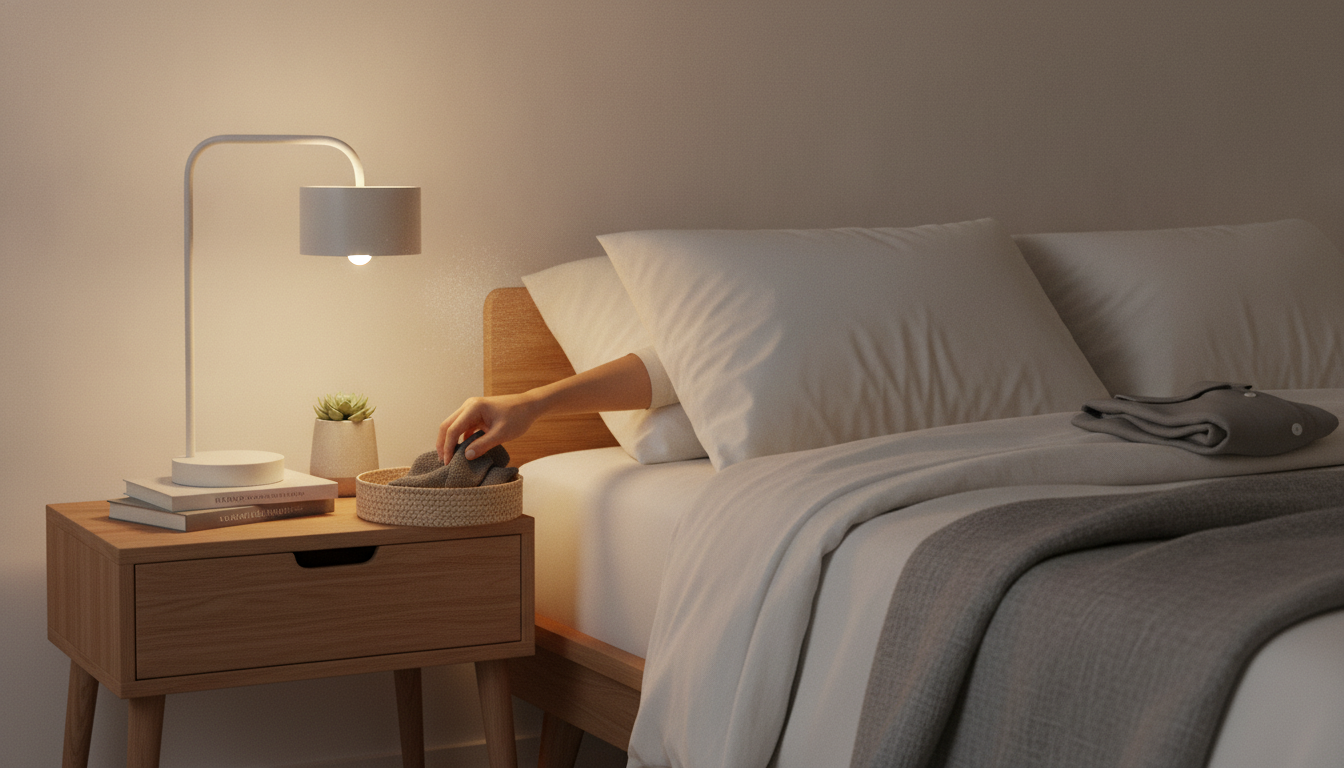
The Power of a 5-Minute Nightly Tidy-Up
A short reset at the end of the day can make the next morning smoother, reduce visual clutter, and help a home feel calmer—without turning evenings into a full cleaning session. A 5-minute tidy-up routine focuses on quick wins: returning items to their “homes,” clearing key surfaces, and setting up an easier start for tomorrow. The goal isn’t a spotless house; it’s a consistent baseline that keeps life from piling up.
Why 5 minutes works when long cleanups don’t
Long cleanups often fail for a simple reason: they ask for too much energy at the exact moment energy is lowest. Five minutes is small enough to feel doable even on tired nights, which lowers resistance and makes starting easier.
Consistency also compounds. A daily micro-reset prevents clutter from growing into an all-day weekend project. Instead of letting the entryway, kitchen counter, and living room floor accumulate “friction,” you target the spots that most affect how a space feels when you walk through it.
This matters for winding down, too. A calmer environment supports better nighttime routines and sleep-friendly habits (see the National Sleep Foundation’s overview of sleep hygiene).
What a nightly tidy-up is (and isn’t)
It is:
- Putting items back where they belong
- Clearing one or two key surfaces
- A quick trash/recycle pass
- Resetting a couple of high-traffic zones
It isn’t:
- Deep cleaning
- Reorganizing closets or drawers
- Tackling delayed projects or decision-heavy sorting
A helpful rule: if it needs supplies, soaking, scrubbing, or lots of decisions, it’s not part of the five minutes. Save that for a separate schedule.
Set up the routine once so it runs on autopilot
Habits stick best when they have a clear cue and a simple path (the APA defines a habit as a well-learned behavior that becomes automatic). Choose a consistent trigger, then reduce the number of choices you have to make.
- Pick a trigger: after dinner, after kids’ bedtime, after the last screen break, or right before brushing teeth.
- Choose 2–3 reset zones: kitchen counter + living room + entryway is a solid starting trio.
- Create obvious homes for common strays: a tray for keys, a basket for remotes, a drop zone for mail.
- Make “quick exits” easy: keep a donation bag, laundry hamper, and small trash bin within reach.
If you want a structured way to set this up (focus areas, checklists, and repeatable rhythms), the The Power of a 5-Minute Tidy-Up digital guide is designed to be used on a phone/tablet or printed for a quick reference near your main reset zone.
The 5-minute checklist (simple and repeatable)
Set a timer. When it ends, stop. Success is completing the routine—not perfect results.
- Minute 1: Quick collect — grab items that don’t belong (cups, wrappers, toys, mail, clothes).
- Minute 2: Return — walk a short loop and put items back where they live (or into one “sort tomorrow” basket).
- Minute 3: Surfaces — clear the most visible flat area (kitchen counter or coffee table).
- Minute 4: Floor reset — straighten pillows/blankets, pick up the floor in one small zone.
- Minute 5: Tomorrow prep — set out one thing that makes morning easier (lunch container, coffee setup, outfit, gym bag).
For nights when you want to do a fast “carry loop,” a sturdy bag can help you gather out-of-place items and return them in one pass. If you prefer something that looks polished and holds a lot, consider the Elegant Casual Leather Tote Bag for Everyday Style as a grab-and-go reset helper (especially for quick sweeps between rooms).
5-minute tidy-up variations for different homes
The routine should flex with your space and season. Keep the timer the same; adjust the scope.
Choose a 5-minute plan that fits the night you’re having
| Energy level | 5-minute focus | What to ignore for now | Best payoff |
|---|---|---|---|
| Low | Trash/recycle + clear one surface | Laundry folding, sorting papers | Space looks calmer fast |
| Medium | Return items + reset sink/counter | Deep cleaning, reorganizing | Morning kitchen feels ready |
| High | Living room + entryway reset | Closets, storage bins | Home feels welcoming |
| Overwhelmed | One basket sweep + quick floor pick-up | All decisions; only collect | Containment without burnout |
Minimalist habits that make tidying faster
For a deeper behavior-change lens, the cue–craving–response–reward framework popularized in Atomic Habits can help: make the tidy-up obvious (timer), easy (homes and baskets), and satisfying (a clear counter and a calmer room).
Common obstacles and quick fixes
Make it stick: cues, rewards, and a tiny finish line
A guided routine for nights when motivation is low
Digital guide: The Power of a 5-Minute Tidy-Up
If you want a simple structure you can repeat without thinking, The Power of a 5-Minute Tidy-Up digital guide is a quick-implementation download built around focus areas, checklist steps, and easy rhythms—so the nightly reset becomes a steady home habit.
FAQ
Is a 5-minute nightly tidy-up enough to keep a home clean?
It’s enough to prevent clutter buildup and keep key areas feeling reset day to day. Deep cleaning still fits best on a separate schedule (weekly or biweekly) so the five minutes stays easy to repeat.
What if the house is already very messy—where should the 5 minutes go first?
Put the five minutes into one high-visibility surface (like the kitchen counter) and a single containment sweep using one basket. Repeat nightly to build momentum; the goal is a smaller mess tomorrow than today.
How can a family get everyone to participate without arguments?
Assign micro-tasks that take about one minute each, run a timer, and keep the “reset” definition simple for shared spaces. When everyone knows what “done” looks like, it reduces negotiation and repeat reminders.
Recommended for you



Kitchen Mood Makeover Checklist: Quick, Cozy Updates
Jul 31, 2026











Leave a comment