-
Shop
- Adidas
- Advanced Technologies
- AI Skills Mastery 2026 Collection
- Best-Sellers
- Calvin Klein
- Car Accessories
- Confidence
- Dating & Social Skills
- Digital Resources
- AI & Technology
- AI Skills
- Beauty
- Budgeting & Saving
- Car Buying & Ownership
- Cozy Feast Collection
- Electronics & Technology
- Entrepreneurship & Business Growth
- Financial Education
- Financial Independence
- Financial Mindset & Psychology
- Goal Setting
- Hobbies
- Home Styling & Organization
- Kitchen & Recipes
- Leadership
- Mindset
- Online Business
- Parenting & Child Development
- Personal Style & Fashion
- Pet Lifestyle & Wellness
- Positive Thinking
- Sleep Improvement
- Stress Management & Relaxation
- Travel Planning
- Yoga & Fitness
- Yoga & Mind-Body Practices
- Education & Learning
- Family & Parenting
- Fashion
- Alexander McQueen
- Bags
- Bags & Wallets
- Balenciaga
- Belts
- Blazers
- Bottega Veneta
- Brunello Cucinelli
- Burberry
- Chanel
- Chloé
- Dior
- Dolce & Gabbana
- Dresses
- Etro
- Fendi
- Gucci
- Hats & Hair Accessories
- Hoodies & Sweatshirts
- Jacquemus
- Jewelry
- Jil Sander
- Keychains
- Kiton
- Luggage
- Miu Miu
- Off-White
- Prada
- Rick Owens
- Saint Laurent
- Socks & Tights
- Sweaters & Cardigans
- The Row
- Tom Ford
- Tops & Shirts
- Valentino
- Valentino Garavani
- Versace
- Vivienne Westwood
- Watches
- Furniture
- Gadgets
- Health & Beauty
- Health & Wellness
- Home & Garden
- Kids & Babies
- Kitchen
- Lighting
- Patio, Lawn & Garden
- Personal Growth
- Pet Care
- Pet Supplies
- Pets
- Shoes
- Smart Home Living Guides
- Sport & Outdoors
- Stress Relief & Relaxation
- TikTok Growth & Monetization Mastery
- Travel
- Travel & Adventure
- Wealth
- Wellness
- YouTube Shorts Best-Sellers
- Popular
- Best deals
Break the Swipe Cycle: A Guide to Intentional Spending
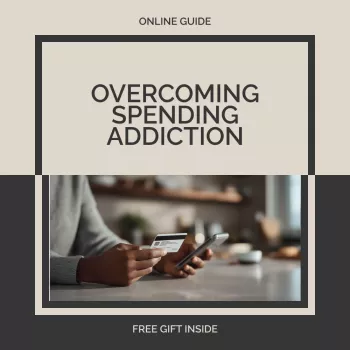
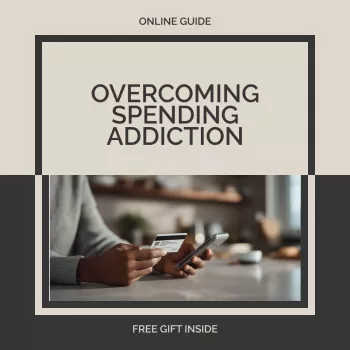
Spending can become a quick response to a difficult day, a tempting offer, or even a few spare minutes. If that sounds familiar, you don’t have to judge yourself for it. Our guide to more intentional spending starts with a simple goal: notice what’s happening, make room for a pause, and choose what fits your priorities.
When spending starts to feel automatic
You might open a shopping app when you’re stressed, buy something you hadn’t planned to purchase, or feel surprised by how quickly small transactions add up. Occasional impulse purchases don’t necessarily signal a serious problem, but a recurring pattern can be worth exploring if it leaves you feeling uneasy or stretches your budget.
Try looking beyond the purchase itself. What happened beforehand? Were you tired, bored, anxious, or responding to a promotion? Noticing the situation and your feelings can help you identify opportunities to make a different choice, without turning the exercise into a list of personal failures.
A digital guide can support that reflection, but it is not a substitute for professional help. If spending feels difficult to control or causes significant distress, you deserve individualized support.
Meet the Break the Swipe Cycle digital guide
Our Break the Swipe Cycle digital guide focuses on practical strategies and mindset shifts for curbing spending addiction and taking greater control of your finances. It is listed at $11.99.
We offer it as a starting point, not a promise of a particular result. Your circumstances, financial obligations, and support needs are personal. You can use a resource like this alongside your own budget and, when appropriate, professional guidance.
Before purchasing any resource, including ours, consider whether its cost fits your current spending plan. If it doesn’t, you can begin with the free steps below and return to the decision later.
Create a pause between the urge and the purchase
A pause gives you time to separate the desire to buy from the decision to spend. For a nonessential purchase, you might wait 24 hours, a few days, or another period that makes sense for your finances. During that time, ask yourself:
- Do I need this now, or do I want the feeling of buying it?
- Can I afford it after covering bills, essentials, and other priorities?
- Would I still want it if the promotion or notification disappeared?
These are examples you can adapt to your life, rather than a description of the guide’s contents. The goal is not to prohibit every purchase; it is to make the choice more deliberate.
| Trigger | Pause to try | Next step |
|---|---|---|
| Stress after a long day | Step away from the shopping app | Choose a non-shopping activity before deciding |
| A limited-time offer | Wait before checking out | Compare the purchase with current priorities |
| Browsing out of habit | Close the store page | Review a planned spending limit |
For example, if you’re considering our Elegant Casual Leather Tote Bag for Everyday Style, listed at $322.67, a pause can help you decide whether it fits your discretionary budget. You might compare it with a bag you already own and other things you’re saving for before deciding whether to buy it.
Build a spending routine that fits your life
Start by reviewing recent transactions over a period that feels manageable. Look for recurring bills and essentials, then note discretionary purchases and patterns you want to understand. You don’t need a perfect record to learn something useful; even a brief review can show where your money has been going.
Next, set a realistic amount for discretionary spending after accounting for necessities and financial obligations. A limit that reflects your actual circumstances is more useful than a restrictive number you can’t maintain. If income or expenses vary, revisit the amount when your situation changes.
You can also make unplanned purchases a little less frictionless. Remove saved payment details, mute promotional notifications, or unsubscribe from messages that prompt frequent browsing. Small barriers create a moment to reconsider without relying entirely on willpower.
Choose a regular check-in, such as once a week or once a month, to compare your spending with your plan. If you go over your limit, look at what happened and adjust your next step. A setback is information, not a reason to abandon the routine. The Consumer Financial Protection Bureau’s Your Money, Your Goals resources offer additional tools for thinking through financial priorities.
Know when to seek additional support
If spending feels difficult to control, creates significant distress, or repeatedly interferes with daily life, consider speaking with a qualified mental health professional. They can help you explore what drives the behavior and develop an approach suited to your needs.
If debt or bill payments are becoming hard to manage, a reputable nonprofit credit counselor may help you understand your options. The National Foundation for Credit Counseling is one place to look for counseling resources.
Our team encourages you to start where you are. If it fits your budget and needs, exploring our digital guide can be one step toward a more intentional relationship with spending.
FAQ
Who might benefit from Break the Swipe Cycle?
People looking for practical strategies and mindset shifts to address unwanted spending patterns may find it helpful. Results will depend on individual circumstances.
What can I do when I feel an urge to shop?
Pause, identify what triggered the urge, and check whether the purchase fits your budget before deciding.
Can a digital guide replace professional support?
No. A guide can support personal reflection, but a mental health professional or nonprofit credit counselor can provide individualized help.
Recommended for you


15W Wireless Charger Stand with Clock: What to Know
Nov 12, 2026













Leave a comment