-
Shop
- Adidas
- Advanced Technologies
- AI Skills Mastery 2026 Collection
- Best-Sellers
- Calvin Klein
- Car Accessories
- Confidence
- Dating & Social Skills
- Digital Resources
- AI & Technology
- AI Skills
- Beauty
- Budgeting & Saving
- Car Buying & Ownership
- Cozy Feast Collection
- Electronics & Technology
- Entrepreneurship & Business Growth
- Financial Education
- Financial Independence
- Financial Mindset & Psychology
- Goal Setting
- Hobbies
- Home Styling & Organization
- Kitchen & Recipes
- Leadership
- Mindset
- Online Business
- Parenting & Child Development
- Personal Style & Fashion
- Pet Lifestyle & Wellness
- Positive Thinking
- Sleep Improvement
- Stress Management & Relaxation
- Travel Planning
- Yoga & Fitness
- Yoga & Mind-Body Practices
- Education & Learning
- Family & Parenting
- Fashion
- Alexander McQueen
- Bags
- Bags & Wallets
- Balenciaga
- Belts
- Blazers
- Bottega Veneta
- Brunello Cucinelli
- Burberry
- Chanel
- Chloé
- Dior
- Dolce & Gabbana
- Dresses
- Etro
- Fendi
- Gucci
- Hats & Hair Accessories
- Hoodies & Sweatshirts
- Jacquemus
- Jewelry
- Jil Sander
- Keychains
- Kiton
- Luggage
- Miu Miu
- Off-White
- Prada
- Rick Owens
- Saint Laurent
- Socks & Tights
- Sweaters & Cardigans
- The Row
- Tom Ford
- Tops & Shirts
- Valentino
- Valentino Garavani
- Versace
- Vivienne Westwood
- Watches
- Furniture
- Gadgets
- Health & Beauty
- Health & Wellness
- Home & Garden
- Kids & Babies
- Kitchen
- Lighting
- Patio, Lawn & Garden
- Personal Growth
- Pet Care
- Pet Supplies
- Pets
- Shoes
- Smart Home Living Guides
- Sport & Outdoors
- Stress Relief & Relaxation
- TikTok Growth & Monetization Mastery
- Travel
- Travel & Adventure
- Wealth
- Wellness
- YouTube Shorts Best-Sellers
- Popular
- Best deals
Eco Kids Playhouse: Recycling & Gardening Activities
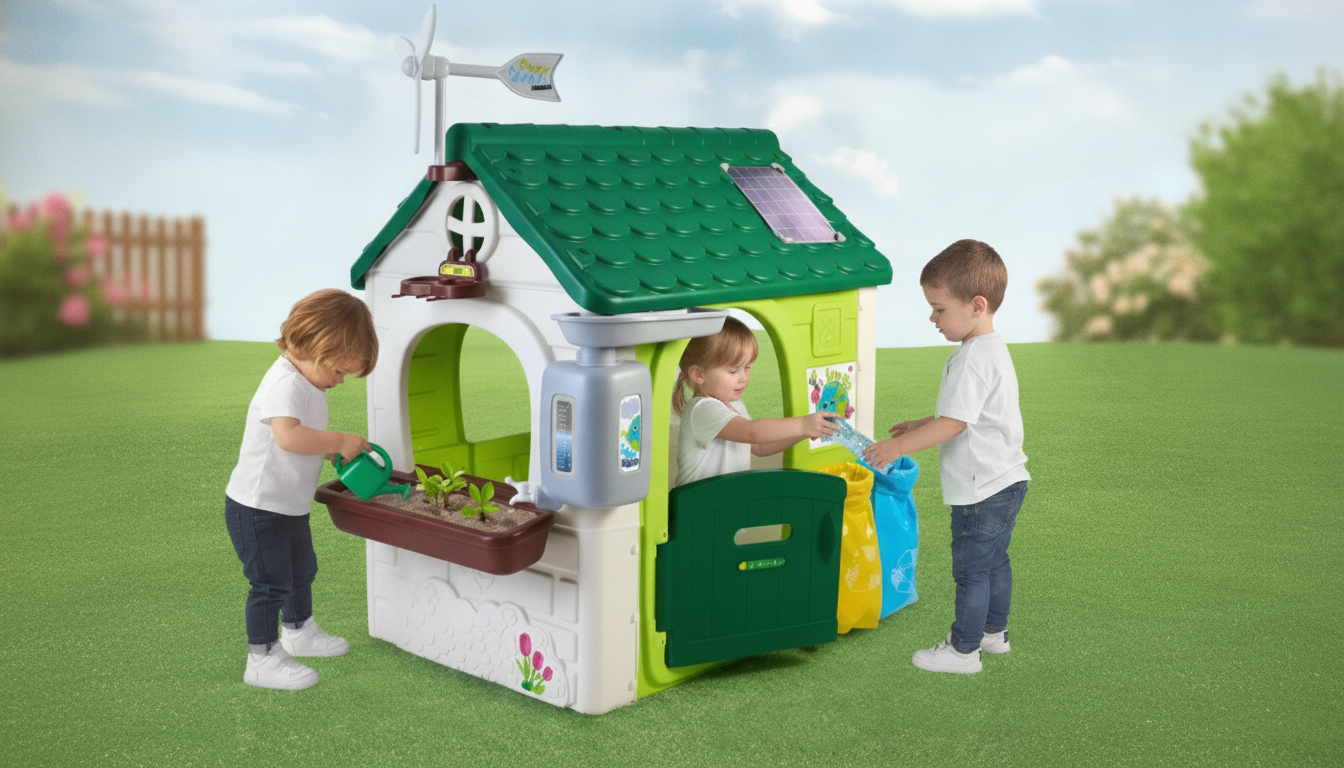
Children’s Eco Playhouse with Recycling and Gardening Activities
A playhouse that doubles as a hands-on learning space can turn everyday play into simple, repeatable habits—sorting recyclables, caring for plants, and building routines that feel fun rather than forced. This eco-themed playhouse is designed to make those activities part of imaginative play, with features that encourage responsibility, curiosity, and outdoor time.
What Makes This Eco Playhouse Different
Unlike a standard backyard playhouse that’s mostly about pretend cooking or hide-and-seek, an eco playhouse adds gentle structure without taking away creativity. Kids get a space that still feels like “their place,” but it naturally invites real-life routines in a way that feels playful and doable.
- Combines pretend play with real-world routines like recycling sorting and beginner gardening tasks.
- Encourages independent play through clearly defined activity zones (play, sort, plant, water).
- Supports social skills when used as a shared “mini community space” for siblings or friends.
- Creates natural moments to talk about waste, composting, and how plants grow without turning it into a lecture.
For families looking to make those routines feel more consistent, a dedicated “home base” outdoors can help—especially when the tools and bins stay in one predictable spot.
Recycling Activities Kids Can Do at the Playhouse
Recycling practice works best when it’s simple, repeatable, and tied to a quick rule kids can remember. Start small, then add new categories or challenges as your child gets confident.
- Start with a simple “clean and dry” rule for recyclables to build safe habits.
- Use clear categories: paper/cardboard, plastics/metal, and “not recyclable” (rules vary by location).
- Turn sorting into a game: timed sorting, color matching, or “find the label” scavenger hunts.
- Add a weekly routine: collect, sort, and take to the household recycling bin together.
- Introduce upcycling crafts using safe, clean materials (cardboard tubes, small boxes, bottle caps).
For a kid-friendly overview of what typically goes where, use a chart like the one below, then adjust it to match local pickup rules. The EPA’s recycling guidance is a helpful starting point for adults: United States Environmental Protection Agency (EPA) — Recycling Basics.
Quick Recycling Sort Guide for Kids
| Item | Typical Category | Kid-Friendly Note |
|---|---|---|
| Cereal box (flattened) | Paper/Cardboard | Remove inner bag if not accepted locally |
| Plastic bottle (rinsed) | Plastics/Metal | Put the cap back on only if local rules allow |
| Aluminum can (rinsed) | Plastics/Metal | No sharp edges; crush only with adult help |
| Food-soiled napkin | Not recyclable | Better for compost if available |
| Glass jar (rinsed) | Depends on local program | Handle carefully; adult carry recommended |
Gardening Activities That Fit Small Hands
Gardening is a natural match for a playhouse because it turns outdoor time into a “mission”: water, check, observe, and celebrate tiny changes. The best beginner plants are quick to sprout and forgiving if a watering day gets missed.
- Begin with fast wins: radishes, lettuce, beans, or herbs that sprout quickly.
- Use containers or small beds to keep tasks manageable and reduce weeding time.
- Create a “plant care checklist”: water, observe leaves, pull one weed, and check soil moisture.
- Build observation skills: track sprout height, count leaves, and watch for pollinators.
- Teach gentle harvesting: pinch herbs, pick lettuce leaves, and rinse produce with an adult.
If you’d like simple, kid-appropriate nutrition and gardening ideas to pair with what you grow, this resource is a solid reference: USDA — Gardening and nutrition resources.
Learning Benefits Beyond Play
The biggest value of an eco playhouse often shows up in the small moments: a child noticing dry soil, deciding to water without reminders, or confidently explaining why a greasy pizza box doesn’t belong in the recycling bin.
- Responsibility: daily/weekly routines make caring for shared spaces feel normal.
- Science basics: cause-and-effect (sunlight, water, soil), seasons, and life cycles.
- Math and language: counting seeds, measuring growth, labeling plants, and telling stories about the “garden shop” or “recycling station.”
- Emotional regulation: outdoor tasks can be calming and structured, especially when broken into short steps.
- Confidence: visible progress (sprouts, harvested herbs, a neatly sorted bin) reinforces effort.
Where to Set It Up and How to Keep It Running Smoothly
A thoughtful setup makes it more likely kids will actually use the activity zones without needing constant adult direction. The goal is “easy to start” and “easy to reset.”
Outdoor play has real developmental benefits, and basic safety guidance can help you set expectations for weather, hydration, and supervision: American Academy of Pediatrics — Outdoor play and safety guidance.
Safety and Supervision Tips
Ways to Extend Play with Simple Add-Ons
Product Options
- Children’s Eco Playhouse with Recycling and Gardening Activities — a single setup that supports imaginative play plus practical recycling and gardening routines.
- Earth Design Kids Rug — a simple way to create a calm “reading and planning” corner near the play area, especially on a covered porch or indoor transition space.
FAQ
What age range is best for a playhouse with recycling and gardening activities?
It fits a broad early-childhood range, especially preschool through early elementary. Younger kids typically need closer supervision for sorting and tool use, while older kids can take on routines like watering schedules and following local recycling rules.
How can recycling activities stay safe and not become messy?
Use only clean, dry items, skip anything sharp or broken, and keep labeled bins so cleanup is quick. A simple weekly reset—empty bins into your household recycling and wipe surfaces—keeps the playhouse area tidy and consistent.
What are the easiest plants for kids to grow in a small garden setup?
Radishes, lettuce, beans, and many herbs are quick to sprout and forgiving for beginners. Containers placed in adequate sunlight with steady watering help kids see results fast without overwhelming weeding or maintenance.













Leave a comment