-
Shop
- Adidas
- Advanced Technologies
- AI Skills Mastery 2026 Collection
- Best-Sellers
- Calvin Klein
- Car Accessories
- Confidence
- Dating & Social Skills
- Digital Resources
- AI & Technology
- AI Skills
- Beauty
- Budgeting & Saving
- Car Buying & Ownership
- Cozy Feast Collection
- Electronics & Technology
- Entrepreneurship & Business Growth
- Financial Education
- Financial Independence
- Financial Mindset & Psychology
- Goal Setting
- Hobbies
- Home Styling & Organization
- Kitchen & Recipes
- Leadership
- Mindset
- Online Business
- Parenting & Child Development
- Personal Style & Fashion
- Pet Lifestyle & Wellness
- Positive Thinking
- Sleep Improvement
- Stress Management & Relaxation
- Travel Planning
- Yoga & Fitness
- Yoga & Mind-Body Practices
- Education & Learning
- Family & Parenting
- Fashion
- Alexander McQueen
- Bags
- Bags & Wallets
- Balenciaga
- Belts
- Blazers
- Bottega Veneta
- Brunello Cucinelli
- Burberry
- Chanel
- Chloé
- Dior
- Dolce & Gabbana
- Dresses
- Etro
- Fendi
- Gucci
- Hats & Hair Accessories
- Hoodies & Sweatshirts
- Jacquemus
- Jewelry
- Jil Sander
- Keychains
- Kiton
- Luggage
- Miu Miu
- Off-White
- Prada
- Rick Owens
- Saint Laurent
- Socks & Tights
- Sweaters & Cardigans
- The Row
- Tom Ford
- Tops & Shirts
- Valentino
- Valentino Garavani
- Versace
- Vivienne Westwood
- Watches
- Furniture
- Gadgets
- Health & Beauty
- Health & Wellness
- Home & Garden
- Kids & Babies
- Kitchen
- Lighting
- Patio, Lawn & Garden
- Personal Growth
- Pet Care
- Pet Supplies
- Pets
- Shoes
- Smart Home Living Guides
- Sport & Outdoors
- Stress Relief & Relaxation
- TikTok Growth & Monetization Mastery
- Travel
- Travel & Adventure
- Wealth
- Wellness
- YouTube Shorts Best-Sellers
- Popular
- Best deals
Highway Fuel-Saving Tips for Better MPG and Lower Costs
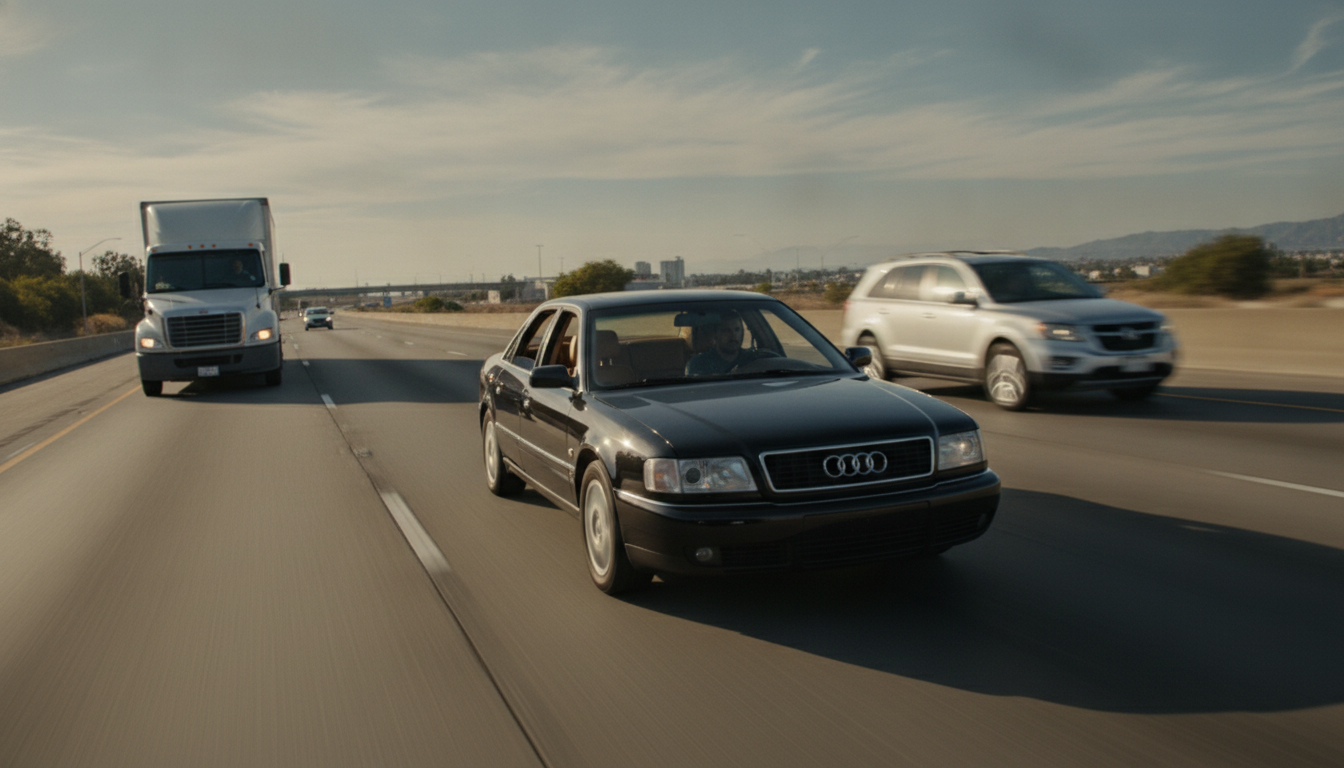
Turbocharge Your Fuel Efficiency: Highway Driving Tips for Smarter, Cheaper Trips
Fuel costs add up fastest on highways where speed, wind resistance, and small habits quietly drain mileage. A few practical adjustments—before the trip and behind the wheel—can reduce fuel use without turning driving into a chore. The payoff is simple: fewer stops at the pump, less stress in traffic, and more predictable trip costs.
What Changes Fuel Use Most on the Highway
Highway MPG is heavily influenced by forces your car fights every second. Understanding the big levers makes it easier to pick habits that actually move the needle.
- Speed and aerodynamic drag: Drag rises sharply as speed increases, so even small speed reductions can produce noticeable savings over long distances.
- Unsteady driving: Surging, late braking, and frequent lane changes burn extra fuel by repeatedly throwing away momentum.
- Load and exterior add-ons: Cargo boxes, bike racks, and even empty roof racks can create constant drag at highway speeds.
- Tire pressure and alignment: Rolling resistance is a “every-mile” tax; small issues add up across a whole tank.
- Weather and terrain: Headwinds, cold air, and hills can shift real-world MPG more than many drivers expect.
Pre-Trip Setup That Pays Off Immediately
A few minutes in the driveway can prevent hours of waste on the road.
- Set tire pressure when cold: Inflate to the door-jamb recommended PSI. Underinflation increases rolling resistance and heat buildup.
- Remove unused exterior gear: If you’re not using a roof rack or cargo carrier, take it off—drag at 65–75 mph is expensive.
- Lighten what you can: Clearing out unnecessary trunk items helps most in stop-and-go, but it still matters for hills and repeated accelerations.
- Plan fueling and rest stops: Fewer detours and less time hunting for exits keeps you out of congestion and reduces low-MPG segments.
- Skip long warm-up idling: For modern vehicles, start driving gently after starting the engine; idling gets 0 MPG.
Pick the Right Cruising Speed (and Keep It Steady)
The easiest way to improve highway fuel economy is to pick a sensible cruising speed and avoid constant changes. Many vehicles hit their best highway efficiency at moderate speeds, then fall off as aerodynamic drag ramps up.
Cruising Choices and Typical Fuel Impact
| Habit | What it changes | Why it saves fuel |
|---|---|---|
| Reducing speed slightly | Lower aerodynamic drag | Drag rises quickly with speed, so fuel demand drops |
| Using cruise control on flats | Smoother throttle | Fewer micro-accelerations that waste fuel |
| Leaving more following distance | Less braking/re-accelerating | Preserves momentum and reduces energy losses |
| Avoiding aggressive passing | Fewer throttle spikes | High power bursts are inefficient at highway speeds |
- Choose a realistic cruising speed: A slightly slower pace often costs only a few minutes but can save a meaningful amount of fuel on long trips.
- Use cruise control strategically: It’s most helpful on flat or gently rolling roads where it prevents “speed creep.”
- In hills, allow small speed variations: Forcing a perfectly constant speed can trigger heavy throttle uphill, which is usually less efficient.
- Maintain following distance: More space reduces accordion braking and eliminates needless re-acceleration.
- Stay in right lanes when practical: Fewer lane changes typically means fewer speed fluctuations and less temptation to surge.
Smarter Acceleration, Merging, and Passing
Highway driving still includes bursts of demand—on-ramps, merges, and passing zones. The goal is to be decisive for safety, but not wasteful.
- Merge briskly but smoothly: Reach traffic speed efficiently, then settle into a steady throttle instead of continuing to accelerate.
- Avoid full-throttle bursts when not necessary: Rapid acceleration can push the engine into less efficient operating ranges.
- Pass with a purpose: If passing doesn’t meaningfully reduce speed disruptions, repeated lane changes and throttle spikes can erase any time savings.
- Anticipate slowdowns early: Lifting off the throttle sooner often avoids braking entirely.
- Use engine braking where appropriate: Unnecessary braking converts motion into waste heat and forces extra fuel later to regain speed.
A/C, Windows, and Cabin Comfort Without the Mileage Penalty
Comfort choices can change MPG more than expected—especially at higher speeds where airflow around the vehicle matters.
Maintenance Essentials That Protect Highway MPG
Trip Planning: Avoid the “Hidden” Fuel Drains
For more driving tips and fuel-economy basics, see guidance from fueleconomy.gov, the U.S. Department of Energy, and the EPA Green Vehicle Guide.
Putting It All Together with a Simple Highway Fuel-Saving Routine
If a quick, step-by-step reference would help you stay consistent, keep a checklist-style guide handy: Turbocharge Your Fuel Efficiency – A Practical Guide with Highway Driving Tips to Save Fuel for Smarter, Cheaper, More Efficient Trips.
For a comfortable spot to plan routes, track mileage, or review your pre-trip checklist at home, consider a practical living-room upgrade like the Solid Wood Coffee Table with Storage Drawers—an easy way to keep paperwork, chargers, and travel essentials organized in one place.
FAQ
Does driving 5–10 mph slower on the highway really save fuel?
Yes—because aerodynamic drag increases rapidly with speed, a small reduction can lower the power your engine needs to maintain pace. The savings are easiest to notice on long, steady highway stretches, so try comparing similar trips with the same route and conditions.
Is cruise control always better for fuel economy?
Not always. Cruise control often helps on flat roads by smoothing out small throttle changes, but on rolling hills it may add aggressive throttle to hold speed, which can be less efficient than allowing slight speed variations.
Should windows be up or down to save fuel?
At highway speeds, windows down commonly increases aerodynamic drag, which can reduce MPG. Using A/C also consumes energy, so the best approach is often windows up at higher speeds and moderate A/C with recirculation once the cabin is cool.















Leave a comment