-
Shop
- Adidas
- Advanced Technologies
- AI Skills Mastery 2026 Collection
- Best-Sellers
- Calvin Klein
- Car Accessories
- Confidence
- Dating & Social Skills
- Digital Resources
- AI & Technology
- AI Skills
- Beauty
- Budgeting & Saving
- Car Buying & Ownership
- Cozy Feast Collection
- Electronics & Technology
- Entrepreneurship & Business Growth
- Financial Education
- Financial Independence
- Financial Mindset & Psychology
- Goal Setting
- Hobbies
- Home Styling & Organization
- Kitchen & Recipes
- Leadership
- Mindset
- Online Business
- Parenting & Child Development
- Personal Style & Fashion
- Pet Lifestyle & Wellness
- Positive Thinking
- Sleep Improvement
- Stress Management & Relaxation
- Travel Planning
- Yoga & Fitness
- Yoga & Mind-Body Practices
- Education & Learning
- Family & Parenting
- Fashion
- Alexander McQueen
- Bags
- Bags & Wallets
- Balenciaga
- Belts
- Blazers
- Bottega Veneta
- Brunello Cucinelli
- Burberry
- Chanel
- Chloé
- Dior
- Dolce & Gabbana
- Dresses
- Etro
- Fendi
- Gucci
- Hats & Hair Accessories
- Hoodies & Sweatshirts
- Jacquemus
- Jewelry
- Jil Sander
- Keychains
- Kiton
- Luggage
- Miu Miu
- Off-White
- Prada
- Rick Owens
- Saint Laurent
- Socks & Tights
- Sweaters & Cardigans
- The Row
- Tom Ford
- Tops & Shirts
- Valentino
- Valentino Garavani
- Versace
- Vivienne Westwood
- Watches
- Furniture
- Gadgets
- Health & Beauty
- Health & Wellness
- Home & Garden
- Kids & Babies
- Kitchen
- Lighting
- Patio, Lawn & Garden
- Personal Growth
- Pet Care
- Pet Supplies
- Pets
- Shoes
- Smart Home Living Guides
- Sport & Outdoors
- Stress Relief & Relaxation
- TikTok Growth & Monetization Mastery
- Travel
- Travel & Adventure
- Wealth
- Wellness
- YouTube Shorts Best-Sellers
- Popular
- Best deals
Lightweight Spin Mop Tips for Streak-Free Hard Floors
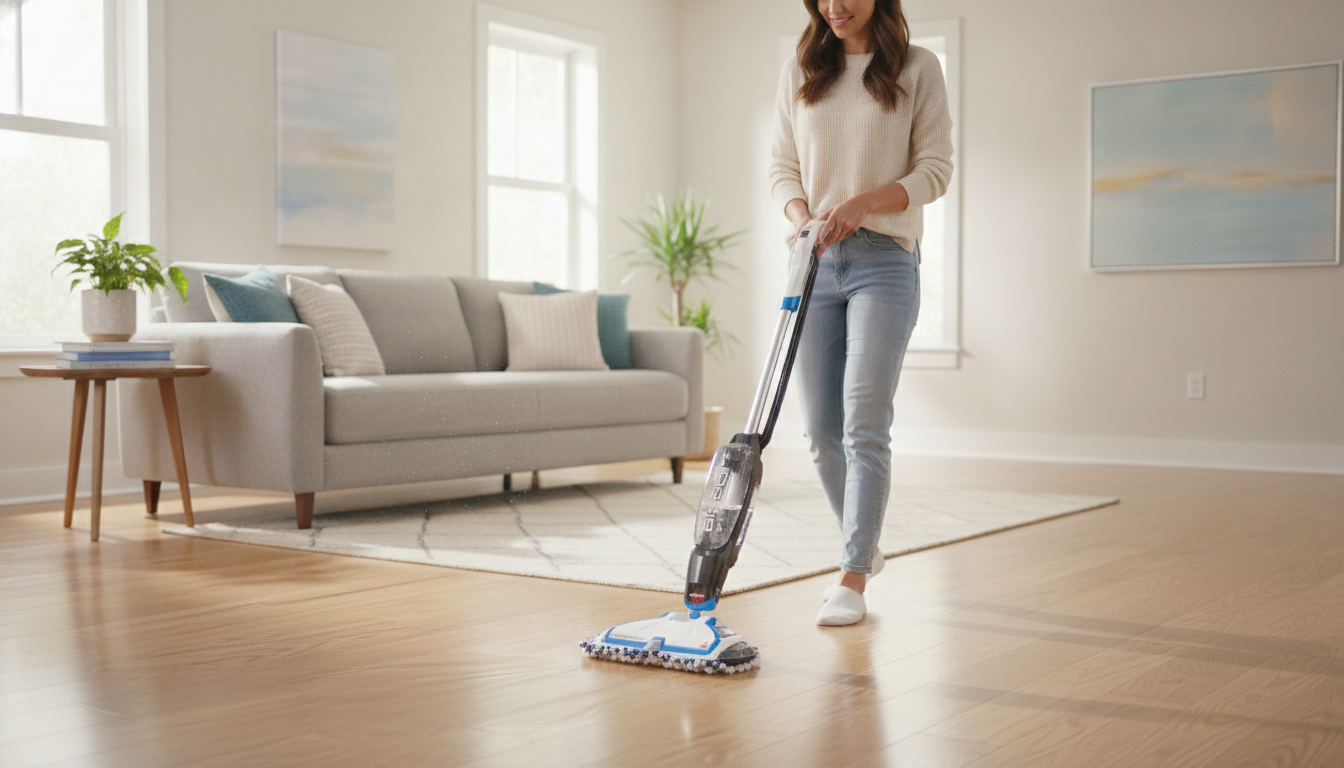
Lightweight Spin Mop for Hard Floors
A lightweight spin mop can make routine floor care faster, less strenuous, and easier to control—especially on hardwood, tile, laminate, vinyl, and sealed stone. The key advantage is simple: you can wring the mop head to the exact dampness you need, so floors get clean without being left overly wet. Below is what to prioritize when shopping, how to use a spin system for streak-free results, and how to keep microfiber heads performing like new.
Why a lightweight spin mop works well on hard floors
Hard floors look best when cleaned often, but frequent mopping can be tiring with heavier tools. A lightweight spin mop helps simplify upkeep while protecting finishes.
- Less fatigue during quick cleanups: A lighter handle reduces arm and wrist strain when you’re spot-mopping around sinks, entryways, and pet zones.
- Better moisture control: Spin-wringing lets you dial in “damp, not wet,” which matters on wood and laminate where excess water can cause swelling or dulling.
- Microfiber pickup while you mop: Microfiber heads grab fine dust, hair, and grit so you aren’t just pushing debris around.
- Fewer drips between rooms: A bucket-and-spinner setup keeps the head contained and reduces mess when moving across the house.
If you’re upgrading, start with a purpose-built option like the Lightweight Spin Mop for Hard Floors, which is designed around controlled wringing for common hard surfaces.
Where it performs best (and where to be cautious)
- Hardwood (sealed): Use a damp-not-wet head and avoid standing water along seams or near baseboards.
- Laminate: Keep moisture minimal. If you notice any wet sheen lingering, re-spin and do a quick dry pass.
- Tile and grout: Tile can handle slightly more moisture. For grout lines, a slower pass (or a second pass) helps lift soil.
- Luxury vinyl plank (LVP): Damp mopping is typically safe; skip harsh abrasives that can haze the wear layer.
- Unsealed floors (unsealed wood, porous stone): Test in an inconspicuous spot first. Avoid soaking and use products made specifically for that surface.
For households with multiple surface types, a spin mop is convenient because you can re-wring for each room—drier for wood, slightly wetter for tile—without switching tools.
What to look for in a spin mop for hard floors
It also helps to have a “floor-friendly” routine beyond mopping—like using mats and keeping grit down. If you have play areas, a washable rug can reduce tracked-in debris before it hits the floor; the Earth Design Kids Rug is an easy way to define a zone while helping catch dust and crumbs.
Quick comparison: spin mop vs. common alternatives
| Mop type | Moisture control | Best use cases | Watch-outs |
|---|---|---|---|
| Spin mop | High (spin-wring adjustable) | Mixed hard floors, routine cleaning, larger areas | Don’t over-wet wood/laminate; keep heads clean to prevent streaks |
| Flat microfiber mop | Medium (depends on wringing method) | Quick daily passes, small apartments, tight spaces | Pads saturate faster; may push dirty water if not swapped |
| Spray mop | Medium (spray amount) | Fast spot cleaning, kitchens, small messes | Can leave residue if cleaner builds up; limited scrubbing on grout |
| Steam mop | Varies by model | Tile and some sealed surfaces | Heat/moisture may be unsuitable for some wood floors or finishes |
How to use a spin mop on hard floors without leaving streaks
For general guidance on cleaning and disinfecting practices, see the CDC’s cleaning and disinfecting recommendations. When selecting cleaning products, the EPA Safer Choice program can help identify options with safer ingredients.
Care and replacement: keeping mop heads fresh
| Task | How often | Why it matters |
|---|---|---|
| Rinse mop head thoroughly and air-dry | After every use | Prevents odor and residue that can cause streaks |
| Wash microfiber head (per care label) | Every 1–3 uses | Restores pickup and reduces redepositing dirt |
| Clean bucket and spinner insert | Weekly (or sooner with heavy soil) | Reduces grime buildup and improves wringing performance |
| Replace mop head | Every 2–6 months (usage-dependent) | Maintains absorbency and effective cleaning |
A practical pick for everyday floor care
For kitchens, hallways, and living areas, a lightweight spin mop is a dependable go-to: quick wringing, less dripping, and easy control over dampness. The Lightweight Spin Mop for Hard Floors is a strong fit for routine cleaning on common sealed surfaces, especially when you want to keep wood and laminate safely on the drier side.
To protect floors between cleanings, consider the small habits that reduce wear—like lifting furniture instead of dragging it. If your living room sees a lot of traffic, a stable centerpiece such as the Solid Wood Coffee Table with Storage Drawers can help keep clutter contained so you can mop around fewer obstacles.
FAQ
Is a spin mop safe for hardwood floors?
Yes for sealed hardwood when used damp, not wet. Wring thoroughly, avoid puddles, and dry excess water near seams and baseboards.
How often should microfiber spin mop heads be replaced?
Replacement depends on frequency and wash care; many households replace every 2–6 months, sooner if fibers flatten, shedding starts, or odors persist after washing.
What causes streaks on tile or laminate after mopping?
Common causes include too much cleaner, dirty rinse water, an overly wet mop head, or residue from soap-based products. Use the right cleaner for the surface, refresh water as it darkens, and spin-wring until the head is evenly damp.
Recommended for you
Money Mindset Makeover: 4 Steps to Feel in Control
Jul 11, 2026
Stop Self-Sabotage: Simple Habits to Break the Cycle
Jul 11, 2026













Leave a comment