-
Shop
- Adidas
- Advanced Technologies
- AI Skills Mastery 2026 Collection
- Best-Sellers
- Calvin Klein
- Car Accessories
- Confidence
- Dating & Social Skills
- Digital Resources
- AI & Technology
- AI Skills
- Beauty
- Budgeting & Saving
- Car Buying & Ownership
- Cozy Feast Collection
- Electronics & Technology
- Entrepreneurship & Business Growth
- Financial Education
- Financial Independence
- Financial Mindset & Psychology
- Goal Setting
- Hobbies
- Home Styling & Organization
- Kitchen & Recipes
- Leadership
- Mindset
- Online Business
- Parenting & Child Development
- Personal Style & Fashion
- Pet Lifestyle & Wellness
- Positive Thinking
- Sleep Improvement
- Stress Management & Relaxation
- Travel Planning
- Yoga & Fitness
- Yoga & Mind-Body Practices
- Education & Learning
- Family & Parenting
- Fashion
- Alexander McQueen
- Bags
- Bags & Wallets
- Balenciaga
- Belts
- Blazers
- Bottega Veneta
- Brunello Cucinelli
- Burberry
- Chanel
- Chloé
- Dior
- Dolce & Gabbana
- Dresses
- Etro
- Fendi
- Gucci
- Hats & Hair Accessories
- Hoodies & Sweatshirts
- Jacquemus
- Jewelry
- Jil Sander
- Keychains
- Kiton
- Luggage
- Miu Miu
- Off-White
- Prada
- Rick Owens
- Saint Laurent
- Socks & Tights
- Sweaters & Cardigans
- The Row
- Tom Ford
- Tops & Shirts
- Valentino
- Valentino Garavani
- Versace
- Vivienne Westwood
- Watches
- Furniture
- Gadgets
- Health & Beauty
- Health & Wellness
- Home & Garden
- Kids & Babies
- Kitchen
- Lighting
- Patio, Lawn & Garden
- Personal Growth
- Pet Care
- Pet Supplies
- Pets
- Shoes
- Smart Home Living Guides
- Sport & Outdoors
- Stress Relief & Relaxation
- TikTok Growth & Monetization Mastery
- Travel
- Travel & Adventure
- Wealth
- Wellness
- YouTube Shorts Best-Sellers
- Popular
- Best deals
Pet Sleep Guide: Calmer Nights for Dogs & Cats
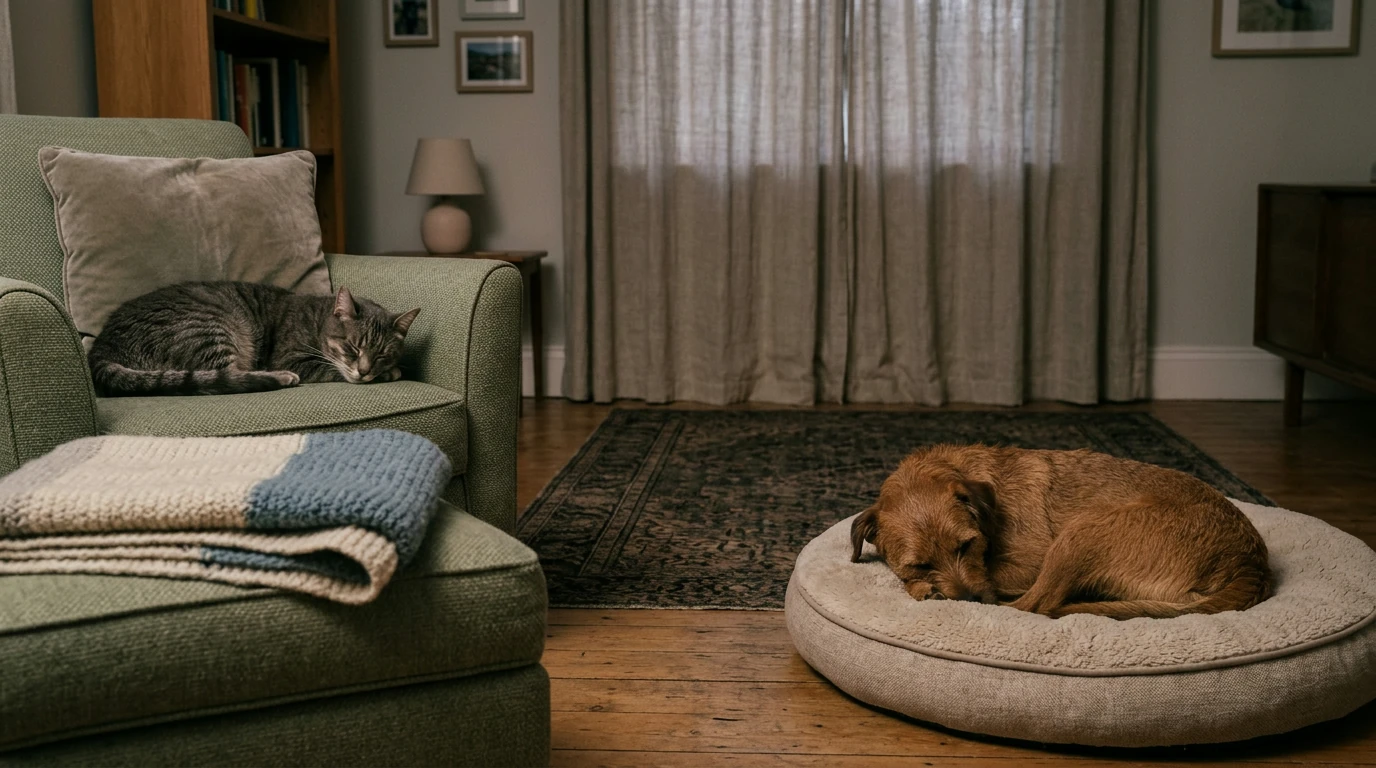
Paws and Pause: Helping Pets Sleep Better and Rest Deeper
Sleep is one of the biggest drivers of day-to-day behavior, immune health, and stress resilience in pets. When rest is disrupted, even well-cared-for animals can become irritable, clingy, reactive, or sluggish. This guide breaks down what healthy sleep can look like for dogs and cats, what commonly disrupts it, and practical routines and environment tweaks that support calmer nights and more restorative naps.
Why Sleep and Rest Matter for Pet Wellness
Rest isn’t just “downtime”—it’s active recovery for the body and brain. Pets who don’t get enough quality sleep can look like they have a training problem or a “mood” issue when they’re simply overtired.
- Better emotional balance: Sleep supports learning and emotional regulation; overtired pets may show more reactivity, whining, or zoomies.
- Improved recovery: Rest helps repair tissue after exercise and minor strains; older pets often need more frequent, uninterrupted rest periods.
- Fewer “mystery” flare-ups: Poor sleep can amplify itching, digestive upset, and anxiety-like behaviors; improving rest can ease multiple issues at once.
- More stable day/night rhythm: Daytime rest quality affects nighttime sleep quality—constant interruptions can create a cycle of light, fragmented sleep.
For additional wellness and behavior guidance, the American Veterinary Medical Association (AVMA) offers practical pet-owner resources.
What Healthy Sleep Looks Like (Dogs vs. Cats)
Dogs and cats both sleep a lot compared to humans, but their patterns are different. Dogs often settle into longer nighttime blocks plus naps, while cats are famous for short, frequent sleep bouts and bursts of activity around dawn and dusk.
- Dogs: Commonly sleep in longer blocks at night with naps during the day; patterns vary by age, breed, and activity level.
- Cats: Natural “nap specialists,” often sleeping in multiple shorter bouts spread across day and night.
- Young vs. senior: Puppies and kittens need significantly more sleep than adults; seniors may sleep longer overall but wake more often from discomfort or potty needs.
- Normal sleep movement: Twitching and small movements are common (dreaming). Sudden yelps, repeated startling, or persistent pacing can point to discomfort or stress.
Typical Rest Patterns to Expect
| Life stage | Dogs: common pattern | Cats: common pattern | Helpful owner focus |
|---|---|---|---|
| Young (puppy/kitten) | Frequent naps; may crash hard after play | Many short sleep bouts; quick wake-ups | Predictable nap windows; gentle decompression after excitement |
| Adult | Nighttime block + daytime naps | Multiple naps day/night; crepuscular bursts | Consistent routine; balanced exercise and mental enrichment |
| Senior | Longer total sleep; more awakenings | Longer sleep; may be lighter and more interrupted | Comfort, pain support, easy nighttime bathroom access |
Common Reasons Pets Struggle to Sleep
Sleep issues are rarely random. Most come down to a mix of arousal, boredom, discomfort, and environmental interruptions.
- Overstimulation late in the day: Rough play, exciting visitors, or noisy screens can keep arousal high.
- Insufficient daytime enrichment: Boredom can cause attention-seeking at night (pacing, vocalizing, demand barking).
- Physical discomfort: Arthritis, dental pain, itchy skin, GI upset, or overheating can fragment sleep.
- Environmental disruptions: Bright hallway light, street noise, other pets moving around, or an uncomfortable bed surface.
- Schedule mismatches: Late dinners, irregular feeding, or inconsistent bedtime routines can shift potty needs and wake-ups.
- Stress and separation-related worry: Some pets sleep lightly to monitor movement in the home.
If you suspect an underlying condition, the Merck Veterinary Manual can help you understand common medical issues that can affect rest and behavior (it’s not a replacement for veterinary care, but it can clarify what to watch for).
Building a Calming Evening Routine
Pets settle faster when bedtime feels predictable. Think of the last hour of the day as a “landing sequence” rather than a sudden stop.
Setting Up a Sleep-Friendly Space
If your home layout makes it tricky to keep lighting consistent, a warm, low-glare setup can help reinforce “quiet hours.” A decorative fixture like the Heart Shaped Crystal Ceiling Light can be paired with a dimmable, warm bulb to keep evenings calmer without leaving harsh overhead lighting on.
Daytime Habits That Improve Nighttime Sleep
For cat-specific health and behavior information, Cornell’s feline resources are a helpful reference: Cornell University College of Veterinary Medicine.
When Sleep Trouble Signals a Health Issue
A Practical Digital Guide for Better Rest
ul>
FAQ
How can a pet be tired but still unable to settle?
Overtired pets can get stuck in an elevated-arousal state where stress hormones keep the body “on,” even when they’re exhausted. A predictable wind-down routine, dimmer lighting, and calming enrichment that encourages sniffing or licking can help the nervous system downshift, especially when paired with a practiced settle cue.
Is it normal for cats to be active at night?
Yes—many cats are naturally more active around dawn and dusk, which can spill into nighttime energy bursts indoors. Scheduling play earlier in the evening, offering a small meal afterward, and increasing daytime enrichment can reduce late-night zoomies and vocalizing.
When should nighttime waking be treated as a medical concern?
Seek veterinary guidance if waking is sudden or escalating, or if it comes with signs like increased thirst/urination, vomiting/diarrhea, coughing, new aggression, or clear pain signals (stiffness, reluctance to jump, frequent repositioning). Seniors who seem confused at night also warrant evaluation, and a simple sleep log can help your vet spot patterns quickly.
Recommended for you


How to Choose a Stand for Multiple Plants
Sep 29, 2026











Leave a comment