-
Shop
- Adidas
- Advanced Technologies
- AI Skills Mastery 2026 Collection
- Best-Sellers
- Calvin Klein
- Car Accessories
- Confidence
- Dating & Social Skills
- Digital Resources
- AI & Technology
- AI Skills
- Beauty
- Budgeting & Saving
- Car Buying & Ownership
- Cozy Feast Collection
- Electronics & Technology
- Entrepreneurship & Business Growth
- Financial Education
- Financial Independence
- Financial Mindset & Psychology
- Goal Setting
- Hobbies
- Home Styling & Organization
- Kitchen & Recipes
- Leadership
- Mindset
- Online Business
- Parenting & Child Development
- Personal Style & Fashion
- Pet Lifestyle & Wellness
- Positive Thinking
- Sleep Improvement
- Stress Management & Relaxation
- Travel Planning
- Yoga & Fitness
- Yoga & Mind-Body Practices
- Education & Learning
- Family & Parenting
- Fashion
- Alexander McQueen
- Bags
- Bags & Wallets
- Balenciaga
- Belts
- Blazers
- Bottega Veneta
- Brunello Cucinelli
- Burberry
- Chanel
- Chloé
- Dior
- Dolce & Gabbana
- Dresses
- Etro
- Fendi
- Gucci
- Hats & Hair Accessories
- Hoodies & Sweatshirts
- Jacquemus
- Jewelry
- Jil Sander
- Keychains
- Kiton
- Luggage
- Miu Miu
- Off-White
- Prada
- Rick Owens
- Saint Laurent
- Socks & Tights
- Sweaters & Cardigans
- The Row
- Tom Ford
- Tops & Shirts
- Valentino
- Valentino Garavani
- Versace
- Vivienne Westwood
- Watches
- Furniture
- Gadgets
- Health & Beauty
- Health & Wellness
- Home & Garden
- Kids & Babies
- Kitchen
- Lighting
- Patio, Lawn & Garden
- Personal Growth
- Pet Care
- Pet Supplies
- Pets
- Shoes
- Smart Home Living Guides
- Sport & Outdoors
- Stress Relief & Relaxation
- TikTok Growth & Monetization Mastery
- Travel
- Travel & Adventure
- Wealth
- Wellness
- YouTube Shorts Best-Sellers
- Popular
- Best deals
Vintage Glass Pendant Lights: LED-Smart for Indoors & Out
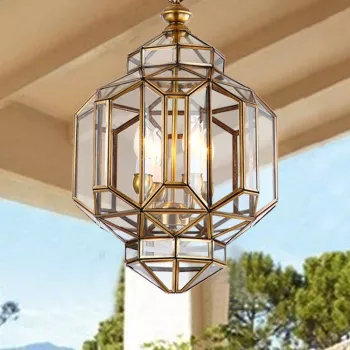
Vintage Glass Pendant Light with LED Compatibility for Indoor and Outdoor Spaces
A vintage glass pendant can add character and warm, diffused light to kitchens, entries, patios, and covered porches—especially when paired with the right LED bulb. The combination of glass (for clarity and easy cleaning) and modern LEDs (for efficiency and low heat) makes this style a practical choice for daily-use areas as well as occasional entertaining spaces. For more guidance, see Search DarkSky Approved Luminaires.
If you’re shopping for a statement fixture with flexible placement, consider the Vintage Glass Pendant Light with LED Compatibility for Indoor and Outdoor Spaces. For a more decorative ceiling centerpiece in a smaller room, the Heart Shaped Crystal Ceiling Light can lean more glam while still keeping the light feeling special. For further reading, see Van Nuys 1-light Brushed Nickel, Medium Size Pendant ….
What Makes a Vintage Glass Pendant a Versatile Choice
Vintage-style glass shades are known for their ability to soften glare. Rather than a harsh exposed-bulb look, the glass helps create a layered glow that can work as ambient lighting while still supporting task lighting when you choose an appropriate lumen level.
The pendant format is also inherently flexible. A single pendant can anchor a breakfast nook or small entry, while a repeated series can define a kitchen island, bar, or long hallway. And because glass is non-porous, it typically wipes clean faster than fabric or woven shades, helping it keep its appearance over time.
Finally, LED compatibility is a real quality-of-life benefit. LEDs run cooler, use less energy, and usually last longer than incandescent bulbs—especially valuable in frequently used spots like kitchens and entryways. For a quick primer on efficiency and bulb options, ENERGY STAR’s overview of LED bulbs is a useful reference: ENERGY STAR Lighting.
Where It Works Indoors
Kitchen islands
For islands, even spacing matters as much as fixture style. Multiple pendants should be aligned with the main prep zones so the countertop is evenly lit. To avoid glare through clear or lightly tinted glass, choose a bulb brightness that supports cutting and cooking while keeping the light comfortable at eye level.
Dining areas
Dining lighting tends to feel best when it’s warm and flattering. A warm-white LED can enhance wood tones and create a more inviting look at the table. If your glass is clear, a filament-style LED can add a classic “glow” without the high heat of traditional filament bulbs.
Entryways and hallways
Entries benefit from slightly higher brightness for safe navigation, especially if there are stairs nearby. Glass pendants can still feel welcoming here—aim for brightness that eliminates shadows while keeping a warm tone so the space doesn’t read clinical.
Bedrooms and reading corners
Pair a vintage glass pendant with a dimmable LED and a compatible dimmer for maximum flexibility. A brighter setting can support reading or getting ready, while a lower setting helps the room feel calm at night.
Bathrooms (dry areas)
Bathrooms can be tricky because moisture changes the safety requirements. Use pendant fixtures only where permitted by local code and by the fixture’s intended location rating. When evaluating what “dry,” “damp,” and “wet” mean, UL’s location ratings overview is a solid starting point: UL Solutions — Dry, Damp, and Wet Locations.
Outdoor Use: Placement and Exposure Considerations
Vintage glass pendants can work outdoors, but placement and exposure are everything. In general, covered patios and porches are the sweet spot because a roofline reduces direct rain and wind, helping the glass stay cleaner and the hardware last longer.
If you live in a humid region or near salt air, corrosion-resistant hardware is worth prioritizing, and a more frequent wipe-down can prevent buildup on metal components. Temperature swings are usually easier on LEDs than older bulbs—many LEDs perform well in cold conditions—but moisture can still be an issue. Using protected bulbs and ensuring the fixture is appropriately rated for the location can reduce headaches.
Also consider bugs: warmer LEDs and a more shielded placement can help reduce insects gathering around the light at night, especially when the pendant is close to seating areas.
Choosing the Right LED Bulb for Vintage Glass
| Decision point | What to look for | Why it matters |
|---|---|---|
| Brightness (lumens) | Task areas: moderate-to-high; ambient areas: moderate-to-low | Prevents under-lighting while avoiding glare through glass |
| Color temperature | Warm white for cozy spaces; neutral white for task-focused zones | Sets the mood and affects how finishes and skin tones appear |
| Dimmability | Dimmable bulb + compatible dimmer | Avoids flicker, buzzing, and limited dimming range |
| CRI | Prefer higher CRI when color accuracy matters | Improves the look of food, wood, artwork, and textiles |
| Bulb shape | Globe, A-shape, or filament-style depending on shade clearance | Affects the visual style and light distribution |
Sizing, Hanging Height, and Layout Planning
Installation Notes and Everyday Care
Style Pairings: Making Vintage Glass Feel Intentional
FAQ
Can an LED bulb be used in a vintage glass pendant light?
Yes. Match the bulb base to the socket, confirm the bulb fits inside the shade, and choose lumens and color temperature that suit the space. If the pendant is on a dimmer, use a dimmable LED that’s compatible with that dimmer type.
Is a glass pendant light suitable for outdoor spaces?
It can be, especially in covered outdoor areas like porches or patios. Confirm the fixture is rated for damp or wet locations (as needed for your placement) before installing.
How bright should a pendant light be for a kitchen island?
It depends on island size, ceiling height, and how much prep work happens there. Aim for enough lumens to clearly light the countertop while relying on warm-to-neutral color temperature and glass diffusion to keep glare under control.
Recommended for you
Pet Sleep Guide: Calmer Nights for Dogs & Cats
Sep 29, 2026








Leave a comment