-
Shop
- Adidas
- Advanced Technologies
- AI Skills Mastery 2026 Collection
- Best-Sellers
- Calvin Klein
- Car Accessories
- Confidence
- Dating & Social Skills
- Digital Resources
- AI & Technology
- AI Skills
- Beauty
- Budgeting & Saving
- Car Buying & Ownership
- Cozy Feast Collection
- Electronics & Technology
- Entrepreneurship & Business Growth
- Financial Education
- Financial Independence
- Financial Mindset & Psychology
- Goal Setting
- Hobbies
- Home Styling & Organization
- Kitchen & Recipes
- Leadership
- Mindset
- Online Business
- Parenting & Child Development
- Personal Style & Fashion
- Pet Lifestyle & Wellness
- Positive Thinking
- Sleep Improvement
- Stress Management & Relaxation
- Travel Planning
- Yoga & Fitness
- Yoga & Mind-Body Practices
- Education & Learning
- Family & Parenting
- Fashion
- Alexander McQueen
- Bags
- Bags & Wallets
- Balenciaga
- Belts
- Blazers
- Bottega Veneta
- Brunello Cucinelli
- Burberry
- Chanel
- Chloé
- Dior
- Dolce & Gabbana
- Dresses
- Etro
- Fendi
- Gucci
- Hats & Hair Accessories
- Hoodies & Sweatshirts
- Jacquemus
- Jewelry
- Jil Sander
- Keychains
- Kiton
- Luggage
- Miu Miu
- Off-White
- Prada
- Rick Owens
- Saint Laurent
- Socks & Tights
- Sweaters & Cardigans
- The Row
- Tom Ford
- Tops & Shirts
- Valentino
- Valentino Garavani
- Versace
- Vivienne Westwood
- Watches
- Furniture
- Gadgets
- Health & Beauty
- Health & Wellness
- Home & Garden
- Kids & Babies
- Kitchen
- Lighting
- Patio, Lawn & Garden
- Personal Growth
- Pet Care
- Pet Supplies
- Pets
- Shoes
- Smart Home Living Guides
- Sport & Outdoors
- Stress Relief & Relaxation
- TikTok Growth & Monetization Mastery
- Travel
- Travel & Adventure
- Wealth
- Wellness
- YouTube Shorts Best-Sellers
- Popular
- Best deals
Timberland Men’s Leather Boots: Fit, Grip & Care
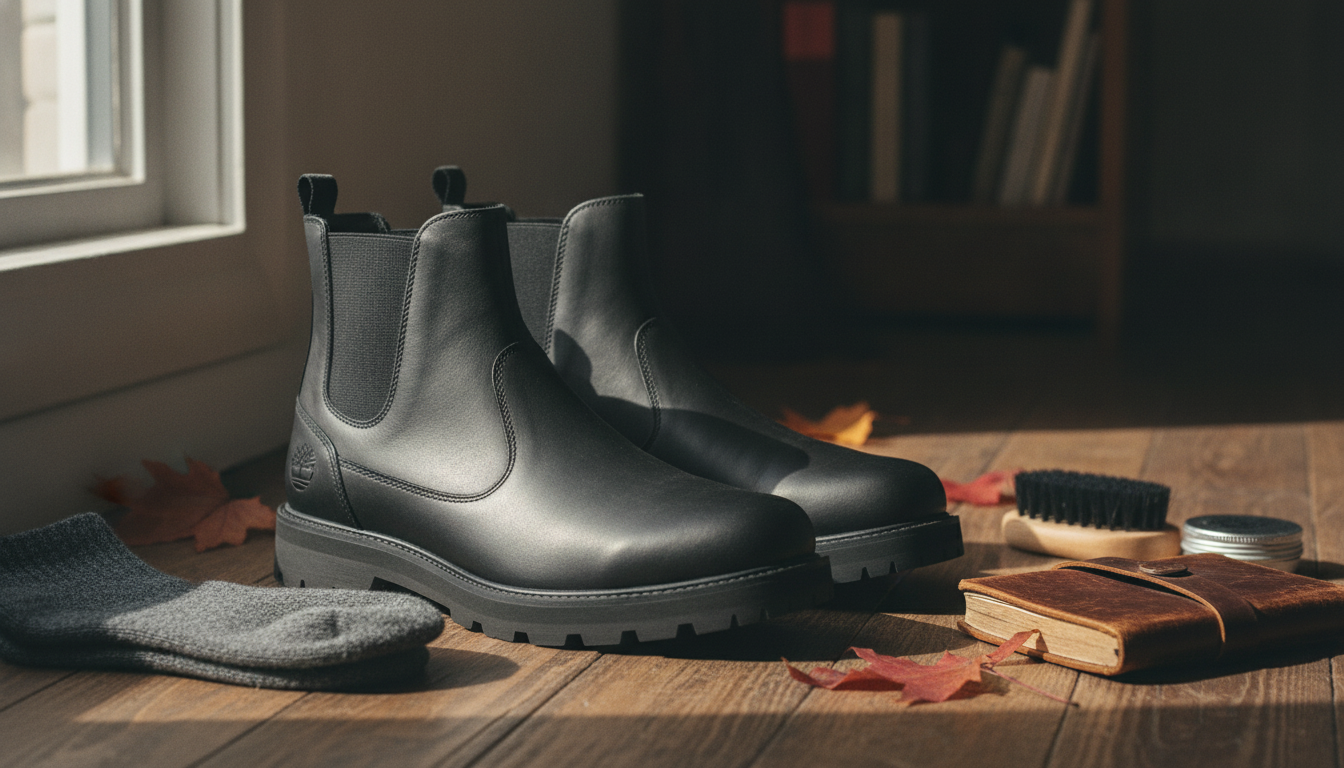
Timberland Men’s Leather Boots: Everyday Durability, Comfort, and Care
Timberland men’s leather boots are built for long days—commutes, job sites, weekend walks, and wet sidewalks. The right pair should balance leather quality, traction, support, and weather protection, while still breaking in comfortably. Below is a practical guide to sizing, materials, features, styling, and maintenance, with a quick spec snapshot and clear buying checkpoints.
What Makes a Good Pair of Leather Boots
A dependable leather boot earns its keep through materials and construction details that hold up to repeated wear. When comparing options, focus on how the leather will age, how the outsole grips, and whether the boot supports your foot over hours—not just minutes.
- Leather quality: Full-grain typically offers the best long-term durability and patina; nubuck provides a softer, matte look but needs different care.
- Outsole traction: Lug patterns help with wet pavement and light trails; look for defined lugs and a stable heel base.
- Support and comfort: A padded collar, supportive footbed, and stable midsole reduce fatigue during long wear.
- Weather readiness: Water-resistant treatments and gusseted tongues help keep splashes and slush out.
- Construction details: Sturdy stitching and well-bonded soles help the boot hold shape over time.
Quick Look: Timberland Men’s Leather Boots (This Listing)
| Item | Details |
|---|---|
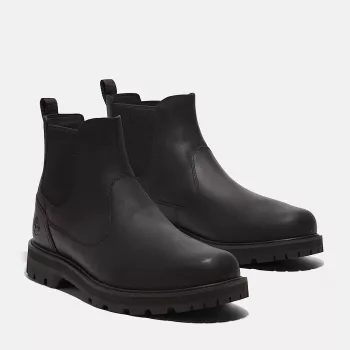
| Product | Timberland Men’s Leather Boots |
| Price | $105.51 USD |
| Availability | In stock |
| Product page | https://lustrina.com/timberland-mens-leather-boots-2/ |
Fit and Sizing: Getting Comfort Without Guesswork
Fit is the difference between a boot that “works” and one that feels like an all-day favorite. Aim for security where it matters (heel and midfoot) and room where you need it (toes).
- Aim for a secure heel: Minimal heel slip reduces blister risk during break-in.
- Leave toe room: You should be able to wiggle your toes, especially if wearing thicker socks.
- Consider sock strategy: Try on with the socks you’ll actually wear (work socks vs. thin everyday socks).
- Break-in approach: Start with shorter wears; keep leather appropriately conditioned so it flexes without drying out.
- Lacing matters: Use tighter lacing at the instep for control and slightly looser near the ankle for comfort.
Leather Types and Finishes: Full-Grain vs. Nubuck vs. Smooth Leather
Not all leather behaves the same. The finish affects how quickly scuffs show, how water marks appear, and which cleaning products are safe.
- Full-grain leather: Resists abrasion well and develops character with wear; benefits from conditioning and occasional polishing.
- Nubuck: A sanded outer surface with a premium, matte look; it can show scuffs, so a nubuck brush and protective spray are key.
- Smooth leather: Versatile and quick to wipe clean; it can look more refined depending on the boot’s shape.
- Color and staining: Lighter shades show water marks more easily—protect before first wear and refresh protection seasonally.
For brand-specific guidance on compatible cleaners and protectants, refer to Timberland Boot Care & Protection.
Traction, Soles, and Stability for Daily Use
Daily wear often means mixed surfaces: slick sidewalks, parking lots, stairs, gravel paths, and the occasional muddy shortcut. Traction and stability should feel predictable.
- Lug depth: Deeper lugs improve grip on wet sidewalks, gravel, and light mud.
- Sole stiffness: A moderately stiff sole supports walking and standing; too stiff can feel clunky for casual wear.
- Heel profile: A wider base increases stability; a slightly raised heel can feel more natural on long walks.
- Slip resistance: Even without a formal rating, outsole rubber and tread geometry do much of the work.
For comfort considerations tied to foot health and supportive footwear, see the American Podiatric Medical Association resources.
Weather and Waterproofing: What to Expect
Leather boots can handle rough weather, but performance depends on how the boot is built and how it’s maintained.
- Water-resistant vs. waterproof: Water-resistant leather handles light rain; true waterproof builds usually rely on sealed construction and membranes.
- Tongue and collar: Gusseted tongues help prevent water and debris entry; padded collars improve comfort in cooler weather.
- Seasonal use: Leather boots work well in fall and winter with the right socks; in warm months, consider breathability and lighter insoles.
- Care products: Use sprays designed for the leather finish (nubuck/suede protector vs. smooth leather conditioner).
Break-In and Comfort Upgrades
Break-in shouldn’t be a battle. The goal is to let the leather flex naturally while minimizing friction points.
- Gentle break-in: Start with 30–60 minute wears and increase time gradually to prevent hot spots.
- Manage friction: Thicker socks or blister patches can help during the first week.
- Insoles: Upgrading the insole can improve arch support and reduce impact on hard floors.
- Lacing techniques: Heel-lock lacing can help secure the heel and reduce rubbing.
Care and Maintenance: Keep Leather Looking Better Longer
Leather rewards consistency. A quick routine after wet or salty days preserves both looks and lifespan.
Outfit Pairings: From Workwear to Weekend
More In-Stock Picks
FAQ
How should leather boots fit at the heel and toe?
The heel should feel secure with only minimal slip, while the toe box should leave enough room to wiggle your toes—especially with thicker socks. Break-in may feel snug, but it shouldn’t be painful or create sharp pressure points.
Are leather boots okay in rain or snow?
Many leather boots handle rain and light snow well when treated as water-resistant footwear, but “waterproof” requires sealed construction and/or membranes. Use the right protectant for the leather finish, clean off salted slush promptly, and always air-dry away from direct heat.
What is the best way to clean and protect nubuck or smooth leather?
For nubuck, use a nubuck brush to lift dirt and restore the nap, then apply a nubuck/suede protector spray. For smooth leather, wipe clean with a damp cloth, condition lightly as needed, and use a compatible water-repellent protectant to help prevent stains.
Recommended for you
Best Hobby Ideas After 40: Purpose, Joy & Momentum
Jun 20, 2026












Leave a comment